United Airlines CEO Scott Kirby just sent a memo to employees that should make every frequent flyer pay attention: the carrier is slicing 5% of its scheduled flights over the next six months because jet fuel prices have nearly doubled since late February. But here’s the twist: United is doing this while experiencing the strongest booking period in its history and still planning to add 120 new aircraft this year.
The Iran conflict has pushed jet fuel prices from manageable to potentially catastrophic, and United is preparing for a scenario where oil hits $175 per barrel and stays above $100 through the end of 2027. At those levels, the airline’s annual fuel bill would jump by $11 billion, more than twice what United earned in its best year ever.
The Math That Made Kirby Pull the Trigger
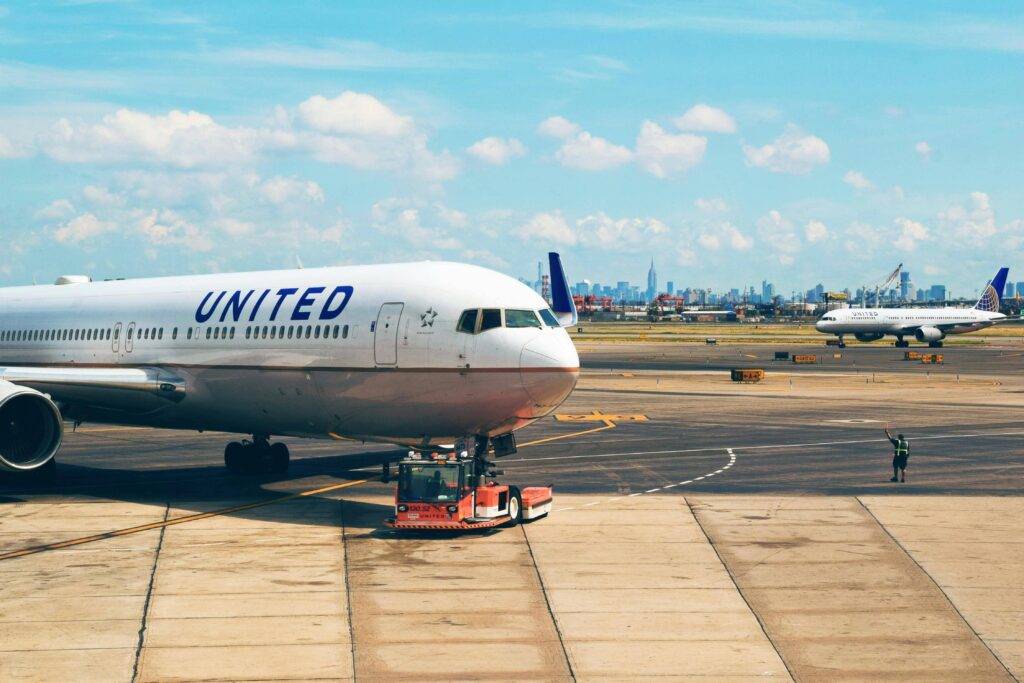 Photo by : Tim Gouw / Pexels
When your biggest expense category doubles in a matter of weeks, even the most optimistic CEO has to make hard choices. Jet fuel that cost roughly $2.50 per gallon in early February is now pushing $4.00, and there’s no indication the price is coming down anytime soon.
United burns a lot of fuel. A single Boeing 787 on a transpacific flight can consume 20,000 gallons. When you’re operating thousands of flights daily across a global network, small per-gallon changes translate into massive annual impacts.
Kirby’s internal modeling assumes oil could spike as high as $175 per barrel. That’s not a prediction. It’s catastrophe planning, the kind of exercise airlines do to stress-test their business models against worst-case outcomes. But the fact that he’s sharing it with employees and acting on it suggests he’s taking the possibility seriously.
The $11 billion annual increase he referenced would fundamentally change United’s economics. For context, the airline posted record profits in 2025. Those profits would be completely wiped out by fuel costs alone before accounting for any other expense increases or revenue changes.
Cutting Flights Without Cutting Jobs or Growth Plans
Here’s where United’s strategy gets interesting and deviates from the airline playbook of previous crises. Kirby explicitly told employees that United will not furlough workers, will not delay aircraft deliveries, and will not abandon long-term growth plans.
Instead, the airline is doing what it calls “tactical pruning” of unprofitable flying. Red-eye flights that depart at 2 AM and arrive at 6 AM with half-empty cabins? Gone. Tuesday and Wednesday midday flights on routes where demand is soft? Eliminated. Saturday services to business destinations where corporate travelers don’t fly weekends? Suspended.
United had already started trimming some of these flights before Kirby’s memo. The announcement formalizes what was happening organically as route-level managers looked at which flights couldn’t cover their costs with fuel at current prices. Now it’s official policy: if a route can’t make money with expensive fuel, it gets cut.
The 5% overall capacity reduction breaks down to about 3% of off-peak flying in Q2 and Q3. United is preserving the flights that make money and jettisoning the marginal routes that only worked when fuel was cheap. It’s not slash-and-burn cost-cutting. It’s precision elimination of money-losing operations while keeping everything profitable intact.
Still Adding 120 Aircraft Because This Too Shall Pass
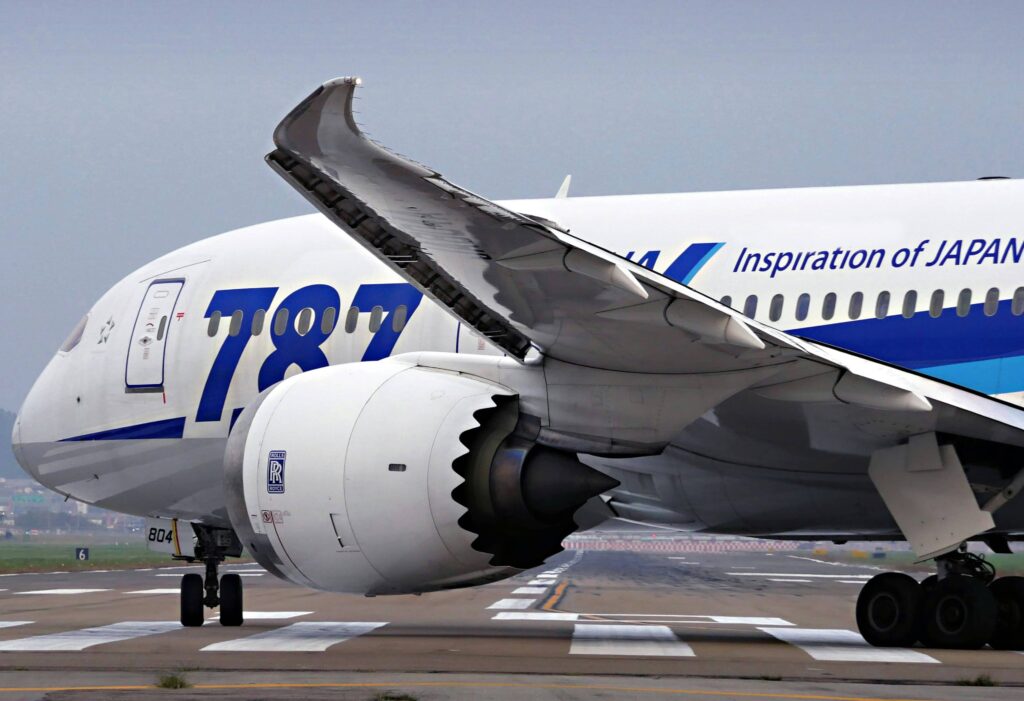 Photo by : Tienko Dima / Unsplash
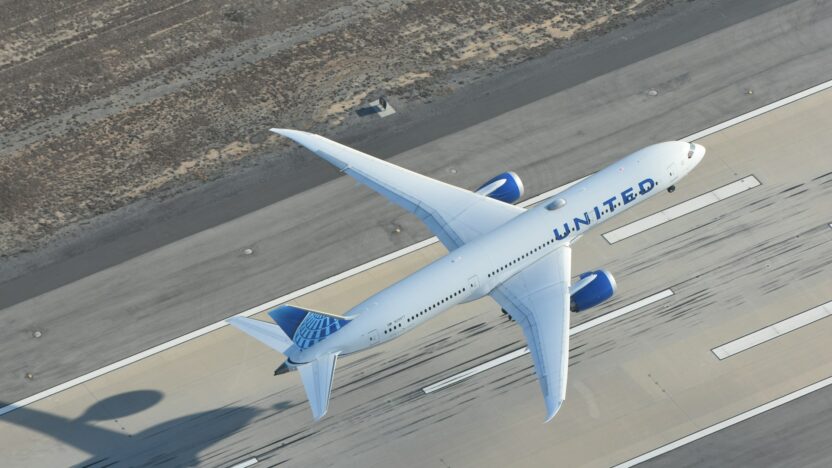
The most revealing part of Kirby’s memo is what United is NOT cutting: its fleet expansion plan. The airline will take delivery of approximately 120 new aircraft in 2026, including 20 Boeing 787-9 Dreamliners.
Those Dreamliners burn roughly 20% less fuel per seat than older widebody aircraft they’re replacing. In a high fuel cost environment, that efficiency translates directly to competitive advantage.
More than 100 new narrowbody aircraft, primarily Boeing 737 MAX and Airbus A321neo variants, will also join the fleet. These aircraft burn 14% to 20% less fuel than the planes they replace.
Kirby is betting that fuel prices won’t stay at crisis levels forever. By continuing to take new, efficient aircraft, United positions itself to thrive when conditions normalize.
The Counterargument: Maybe Demand Isn’t as Strong as It Looks
Here’s the uncomfortable question: how much of the current booking surge represents genuine new demand versus travelers pulling forward purchases to avoid higher future prices?
United noted that its strongest 10 weeks for booked revenue have all occurred in the past 10 weeks. That sounds incredible until you consider that passengers are watching news coverage of skyrocketing fuel costs and booking now rather than later.
If spring and summer travel bookings have been pulled forward from Q3 and Q4, United could face a demand cliff later just as it’s trying to restore capacity.
There’s also the risk that sustained high fares eventually trigger demand destruction. United and its competitors have already pushed through two fare increases of roughly $10 each way. At some point, marginal travelers decide not to fly at all.
 Photo by : Christian Lambert / Unsplash
Airlines Are Making More Money Than Ever and Your Wallet Is About to Feel It
What This Actually Means for Your Travel Plans
 Photo by : Chris Leipelt / Unsplash
The practical implications depend on which flights you’re taking and when.
Popular routes during peak times won’t see much impact. United isn’t cutting the 8 AM nonstop from Newark to Los Angeles on Monday morning. The cuts target the margins: overnight flights, off-peak midweek departures, routes with marginal demand.
Business travelers in major markets will be largely insulated. Corporate customers pay premium fares that United needs. Leisure travelers flying to secondary markets or looking for convenient red-eye options will feel the pain.
Pricing pressure is almost certain. When United cuts 5% of capacity while demand remains strong, basic economics dictates that prices rise. The airline has already seen fares booked in the past week up 15% to 20% year-over-year.
The Bigger Picture: Airlines Are Playing a Different Game Now
United’s response to this fuel shock reveals how fundamentally different the airline industry has become compared to previous crises. During past fuel spikes, airlines would announce layoffs, defer aircraft deliveries, slash unprofitable routes, and scramble to preserve cash.
This time? United is trimming the fat while pressing ahead with growth plans and keeping all employees on payroll. The confidence to maintain that stance comes from industry consolidation, stronger balance sheets, and diversified revenue streams that didn’t exist 15 years ago.
Four carriers control the vast majority of U.S. domestic capacity. When all four carriers face the same fuel cost increase simultaneously, they all raise fares together without worrying about a low-cost competitor undercutting them. United’s memo explicitly states the airline aims to fully offset higher fuel costs through fare increases this year. That goal is achievable precisely because competitors face identical pressures and will match price increases.
The loyalty program economics matter too. United’s MileagePlus program, operated in partnership with Chase and other credit card issuers, generates billions in revenue that’s largely insulated from fuel costs. Travelers redeeming miles for flights create demand for seats that would have otherwise flown empty, while the banks pay United for those miles regardless of fuel prices.
Premium cabin revenue continues growing faster than the overall business. Corporate travelers and affluent leisure customers are less price-sensitive, meaning United can raise business class and first class fares more aggressively than economy fares. That pricing power at the high end provides a cushion that budget carriers lack.
Fall Restoration Plans Assume Better Conditions
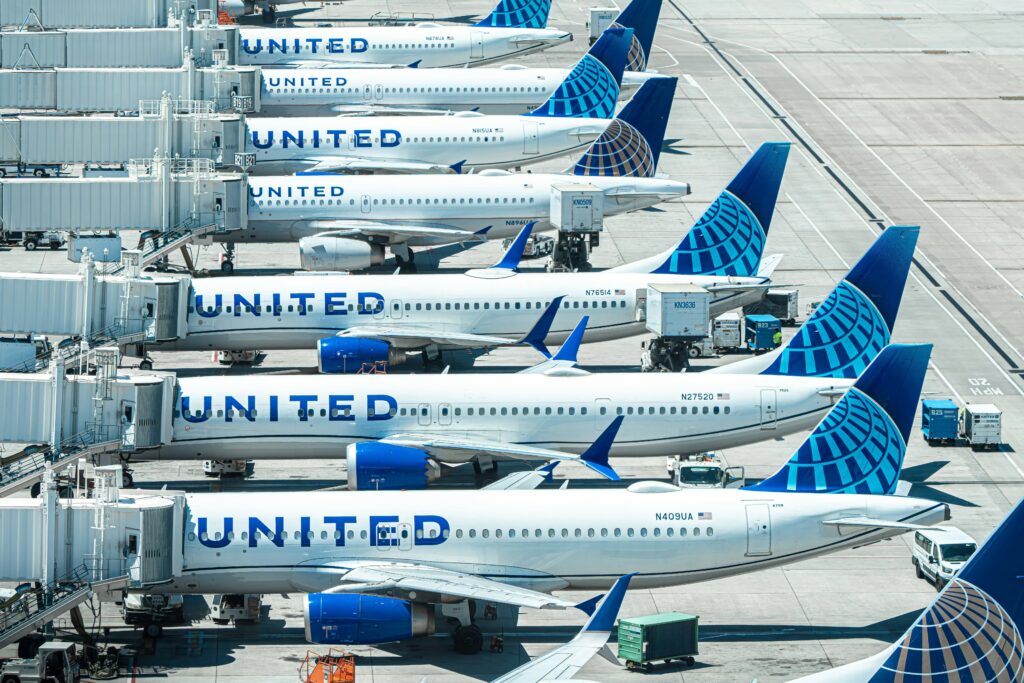 Photo by : Lukas Souza / Unsplash
Kirby’s memo notes that United expects to restore its full schedule by fall 2026. That timeline reveals the airline’s underlying assumption: fuel prices will moderate by autumn, either through geopolitical developments that ease the Iran conflict or through market forces that bring supply and demand back into balance.
If that assumption proves wrong and oil stays expensive through 2027 as the worst-case planning suggests, United will need to make more permanent capacity adjustments. The 5% cut announced now is explicitly temporary, targeting unprofitable flying during a period of acute cost pressure. A prolonged high-fuel environment would require more structural changes to the network.
The airline industry has learned hard lessons about how quickly conditions can change. United is positioning itself to respond flexibly: cut capacity when costs are unbearable, restore it when economics improve, and maintain the long-term fleet renewal that drives efficiency improvements regardless of short-term volatility.
For travelers, that means planning around uncertainty. Book flights you know you’ll take rather than speculative bookings that might need changes. Favor major routes with multiple daily frequencies over secondary markets where cuts are more likely. Consider whether trip timing flexibility might open up better options if certain departures disappear from schedules.
The Iran conflict that triggered this fuel spike shows no signs of imminent resolution. Oil prices remain volatile and could spike higher or moderate lower depending on developments that are fundamentally unpredictable. United is making its best guess about how to navigate that uncertainty while protecting both profitability and long-term growth potential.
Whether that strategy succeeds depends on variables entirely outside the airline’s control. But at least passengers know what United is planning and can adjust their own plans accordingly. That transparency matters in an industry where unexpected schedule changes can ruin carefully planned trips.
The flights getting cut weren’t making money anyway. The aircraft getting delivered will save fuel for decades. And the employees keeping their jobs will be there to staff the restored schedules when conditions improve. In the messy reality of airline economics during a global crisis, that’s probably the best outcome anyone could reasonably expect.
Analysis based on publicly available information including company filings, press releases, and industry reports. Opinions expressed are those of the author.
Related Aviation News
Photo by : Christian Lambert / UnsplashAirlines Are Making More Money Than Ever and Your Wallet Is About to Feel It
U.S. airlines report record spring demand. United sees March fares up 15-20% YoY, revenue per seat rising 14%…
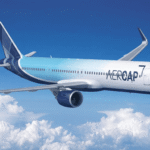
AerCap Just Placed the Biggest Airbus Order in Its History and Airlines Should Pay Attention
AerCap orders 100 A320neo aircraft from Airbus in record deal: 23 A320neo, 77 A321neo. World's largest lessor bets…
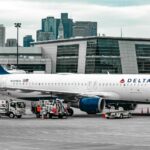 Photo by : Isaac Struna / Unsplash
Delta Boosts Airbus Fleet With 97 A321neos as Regional Lessor Enters Aviation
Delta expanded A321neo orders to 97 aircraft and added 31 widebodies while TrueNoord entered its first Airbus deal…