United Airlines just dropped some numbers that tell you everything you need to know about flying in spring 2026: fares booked in March are up 15 to 20% compared to last year, and revenue per seat is expected to climb roughly 14%. The kicker? This is happening while jet fuel prices have nearly doubled. Airlines are passing those costs straight to you, and travelers are buying tickets faster than ever.
United Airlines Reports the Strongest Booking Surge in Company History
The first 10 weeks of 2026 were the best 10 weeks for ticket sales in United’s entire history. CEO Scott Kirby told investors that the most recent two weeks set all-time records, surpassing every previous benchmark the airline had ever established.
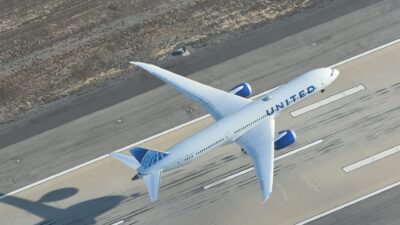
That kind of performance doesn’t happen by accident. United is flying more passengers than at any point in its century-long existence while simultaneously commanding higher prices for those seats. The airline carried 181 million passengers in 2025, a record that’s on track to be eclipsed this year as bookings continue accelerating through spring and into the summer travel season.
The numbers behind United’s performance reveal a fundamental shift in airline economics. Premium revenue grew 9% in the fourth quarter of 2025 and 11% for the full year. Business travel, which collapsed during the pandemic and stayed weak through the recovery, is roaring back. Corporate travelers are filling upgraded seats and paying top dollar for the privilege.
But it’s not just premium cabins driving the boom. Economy bookings are equally robust. The demand spans every segment: domestic flights, international routes, business travel, leisure trips, premium cabins, and basic economy seats. Strength is visible across the entire network.
American and Delta Are Seeing the Exact Same Pattern
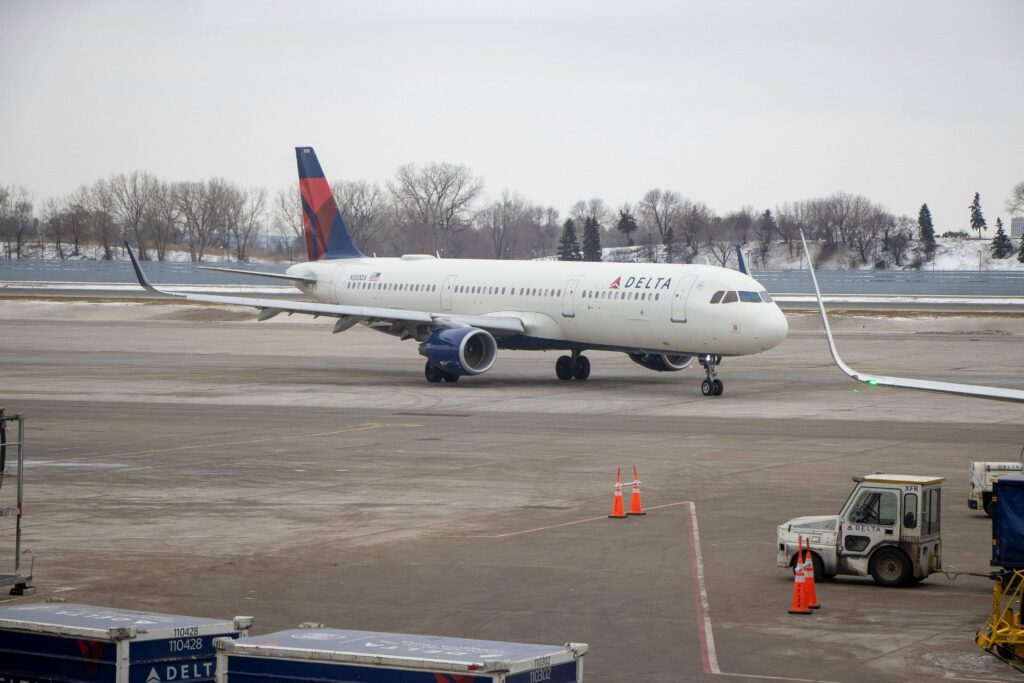 Photo by : Chris Flaten / Pexels
United isn’t alone in this bonanza. American Airlines CEO Robert Isom reported that eight of his carrier’s top 10 booking days and weeks have occurred in 2026. Delta Air Lines CEO Ed Bastian shared nearly identical data, noting that eight of Delta’s top 10 sales days happened this year, with five of those coming after the Iran war started driving up fuel costs.
Think about what that means. Airlines are in the business of selling transportation, and they’re experiencing the best sales performance of their existence during a period when their single largest operating expense just doubled. Jet fuel that cost $2.50 per gallon before the Middle East conflict now costs $3.93 to $3.99 per gallon, according to the Argus U.S. Jet Fuel Index.
For context, a Boeing 747 burns about 60 gallons of fuel per minute. On a three-hour flight, that’s roughly 10,000 gallons. When fuel prices double, the cost of operating that single flight jumps by tens of thousands of dollars. Multiply that across hundreds of daily flights from each major carrier, and you’re looking at hundreds of millions in additional costs.
Delta’s Bastian quantified his airline’s incremental fuel expense at approximately $400 million. United and American reported similar figures. Yet none of these carriers are projecting significant profit deterioration. That’s because they’re raising fares fast enough to cover the increase.
The Fare Increases Are Coming Faster Than Anyone Expected
Industry analysts who track airline pricing have noted something remarkable: the speed at which carriers are pushing through fare increases. Delta confirmed that the industry has implemented two major system-wide fare hikes in just the past three weeks. United’s Kirby described it as the fastest response to a cost shock he’s ever witnessed in his decades-long career.
This isn’t the gradual, measured pricing adjustment airlines typically employ. This is aggressive, immediate repricing across the network. Domestic fares, international routes, premium cabins, basic economy, everything is moving higher simultaneously.
The March data from Deutsche Bank shows the trend clearly. Average ticket prices for last-minute domestic flights booked on March 6 were higher week-over-week for most U.S. airlines, with increases ranging from 0.4% to 13.6%. For advance purchases, fares for travel on March 27 climbed compared to the previous week’s pricing.
What makes these increases sustainable is the demand backdrop. When airlines raise fares into weak demand, travelers revolt by booking less or switching to cheaper alternatives. When demand is strong, travelers absorb the higher prices because they want the flights more than they want to save money.
Industry observers are seeing evidence that travelers are buying tickets now specifically to avoid even higher prices later. The surge in bookings appears partially driven by consumers locking in spring and early summer travel before airlines push fares up further heading into peak season.
Why Travelers Keep Booking Despite Higher Prices
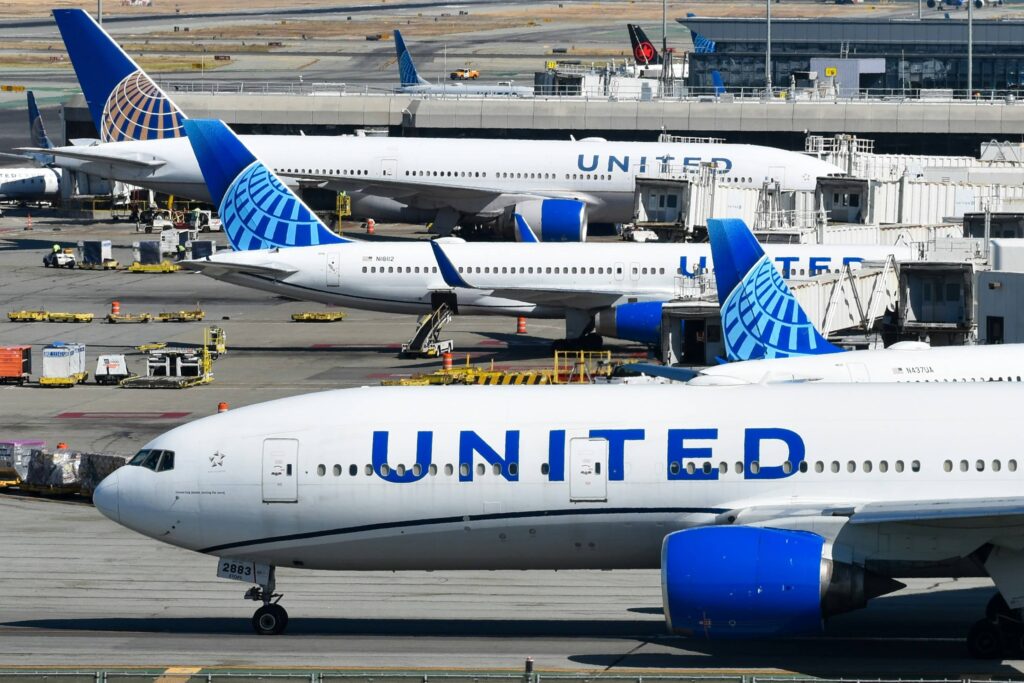 Photo by : David Syphers / Unsplash
The conventional wisdom in aviation economics holds that demand is price-sensitive. Raise fares too high, and bookings fall. Lower prices, and travelers flock to fill planes. That relationship still exists, but the current environment suggests the sensitivity has shifted.
Several factors are driving continued strong bookings even as prices climb. Pent-up travel demand from the pandemic era still hasn’t fully dissipated. People who delayed trips for years are willing to pay premiums to finally take those vacations. Business travel is recovering as companies re-engage with clients and partners face-to-face after years of Zoom meetings.
The job market, while not universally strong, remains solid enough in key demographic segments that leisure travel budgets haven’t been slashed. Consumer spending on experiences continues outpacing spending on goods, a trend that directly benefits airlines. The cultural shift toward prioritizing travel over material purchases shows no signs of reversing.
 Photo by : David Syphers / Unsplash
How United Airlines Is Preparing for $175 Oil While Adding 120 New Planes
Premium cabin growth tells a particularly interesting story. Travelers aren’t just buying any seat, they’re paying substantially more for better seats. United’s premium revenue growth of 11% for 2025 reflects customers willingly spending extra for business class, first class, premium economy, and preferred seating in regular economy. That behavior doesn’t suggest a price-sensitive consumer base worried about costs.
The loyalty program economics also matter. United’s MileagePlus program saw revenue grow 9% in 2025, with credit card partnerships driving significant bookings. Travelers earning points through everyday spending then redeem those miles for flights, creating demand that’s partially insulated from cash fare increases.
Fuel Costs Are the Elephant in the Cabin
Jet fuel typically represents 20% to 30% of total airline operating expenses. When fuel prices spike, airlines can absorb the cost through lower profits, hedge future purchases, improve efficiency, or raise fares.
Right now, they’re doing all four, with the heaviest emphasis on raising fares. United is taking delivery of more than 100 narrowbody jets and about 20 Boeing 787s this year, the largest widebody intake by any U.S. passenger airline since 1988. Those new aircraft burn significantly less fuel per seat.
But efficiency gains can’t offset a 60% to 70% fuel price increase overnight. The only immediate solution is higher ticket prices.
The Counterargument: This Boom Might Not Last
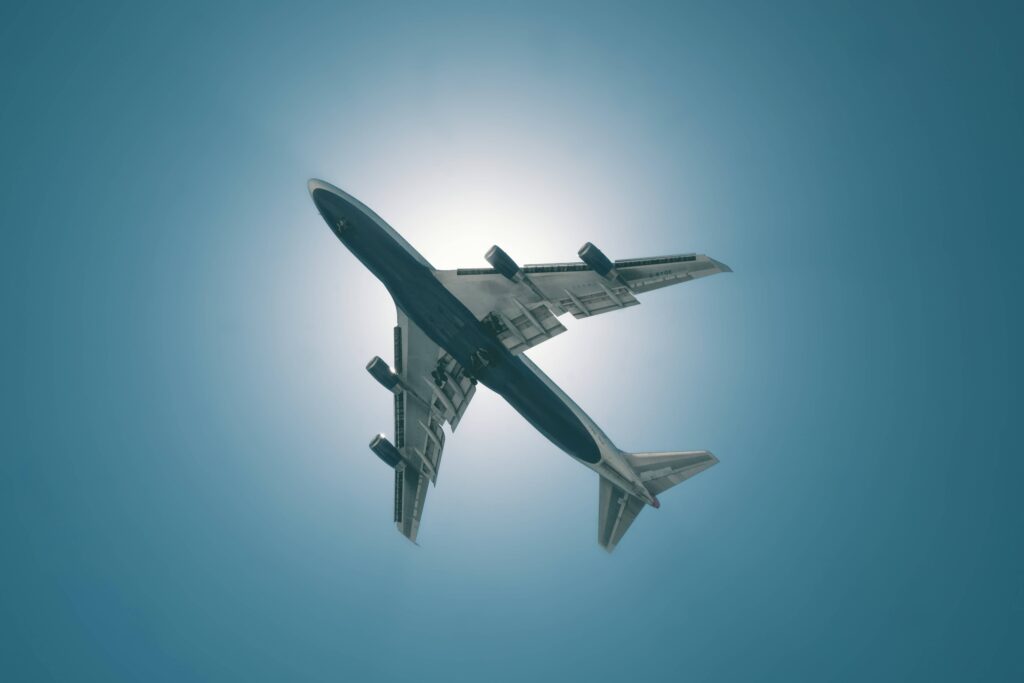 Photo by : Spencer Imbrock / Unsplash
Here’s the uncomfortable question: how much of this demand surge is sustainable, and how much represents travelers pulling forward bookings to avoid higher future prices?
If consumers are genuinely buying now to lock in lower fares, that creates a demand bubble that will eventually deflate. The exceptional sales weeks could be followed by weaker periods.
Economic headwinds loom larger than airline executives publicly acknowledge. Interest rates remain elevated. Inflation has eroded purchasing power. A potential recession driven by high oil prices could materially dampen travel demand later this year.
Airlines also face a delicate balancing act. Push prices too high too fast, and you risk triggering demand destruction. Consumer sentiment about airline value is already fragile. There’s a breaking point where travelers decide the cost isn’t worth it and cancel trips altogether.
What This Means for Anyone Planning to Fly
The practical implications are straightforward: expect to pay more for flights in 2026, and don’t expect meaningful relief soon.
If you have travel planned for summer or fall, book now. Airlines are raising fares aggressively, and fuel prices aren’t coming down. Waiting typically means paying more.
Be flexible with travel dates. Tuesday and Wednesday departures remain cheaper than Friday and Sunday flights. Early morning and late evening flights often price lower. Secondary airports can offer savings, though you’ll need to factor in ground transportation.
Loyalty programs and credit card points become more valuable in a rising fare environment. If you’ve been accumulating miles, now might be the time to use them before award seat availability shrinks or airlines devalue their programs.
Airlines Are Having Their Best Year Ever
 Photo by : Hieu / Unsplash
U.S. airlines have figured out how to thrive in an environment that should be challenging them. Fuel prices doubling would have triggered crisis management in previous eras. In 2026, it’s barely slowing them down.
United’s expectation of $12 to $14 in adjusted earnings per share for 2026 would represent another record year. Delta and American are projecting similar strength. The industry is on track for one of its most profitable years ever.
That success comes at travelers’ expense, but from the airlines’ perspective, it validates a decade of consolidation, capacity discipline, and focus on premium products. Four carriers control the vast majority of domestic flying, giving them pricing power that wasn’t possible when a dozen airlines competed for passengers.
Whether that power holds up if a recession materializes remains to be seen. For now, though, airlines are riding a wave of strong demand that’s more than offsetting every headwind. And if you’re planning to fly this spring or summer, you’re going to feel that strength every time you click “purchase” on an increasingly expensive plane ticket.
Related Aviation News
Photo by : David Syphers / UnsplashHow United Airlines Is Preparing for $175 Oil While Adding 120 New Planes
United cuts 5% of flights as Iran conflict drives fuel costs higher. Planning for $175 oil while still…
 Photo by : Isaac Struna / Unsplash
Delta Boosts Airbus Fleet With 97 A321neos as Regional Lessor Enters Aviation
Delta expanded A321neo orders to 97 aircraft and added 31 widebodies while TrueNoord entered its first Airbus deal…
AerCap Just Placed the Biggest Airbus Order in Its History and Airlines Should Pay Attention
AerCap orders 100 A320neo aircraft from Airbus in record deal: 23 A320neo, 77 A321neo. World's largest lessor bets…