The departure boards at San Francisco International Airport are flashing more red than a stoplight convention, and travelers watching their connections evaporate in real time are learning what happens when one of America’s busiest airports hits its operational limits. Today, SFO is reporting 67 flight delays and 3 cancellations, with peak hour congestion combining with weather to create the kind of travel nightmare that turns business trips into multi-day ordeals and family vacations into exercises in patience.
United Airlines, Delta Air Lines, American Airlines, and Alaska Airlines are bearing the brunt, with passengers bound for Europe and Asia watching their international connections slip away while aircraft sit on taxiways waiting for departure clearance that never seems to come. The ripple effects extend far beyond San Francisco, affecting connections in New York, Chicago, Los Angeles, and major international hubs across two continents.
Why SFO Keeps Hitting These Congestion Walls
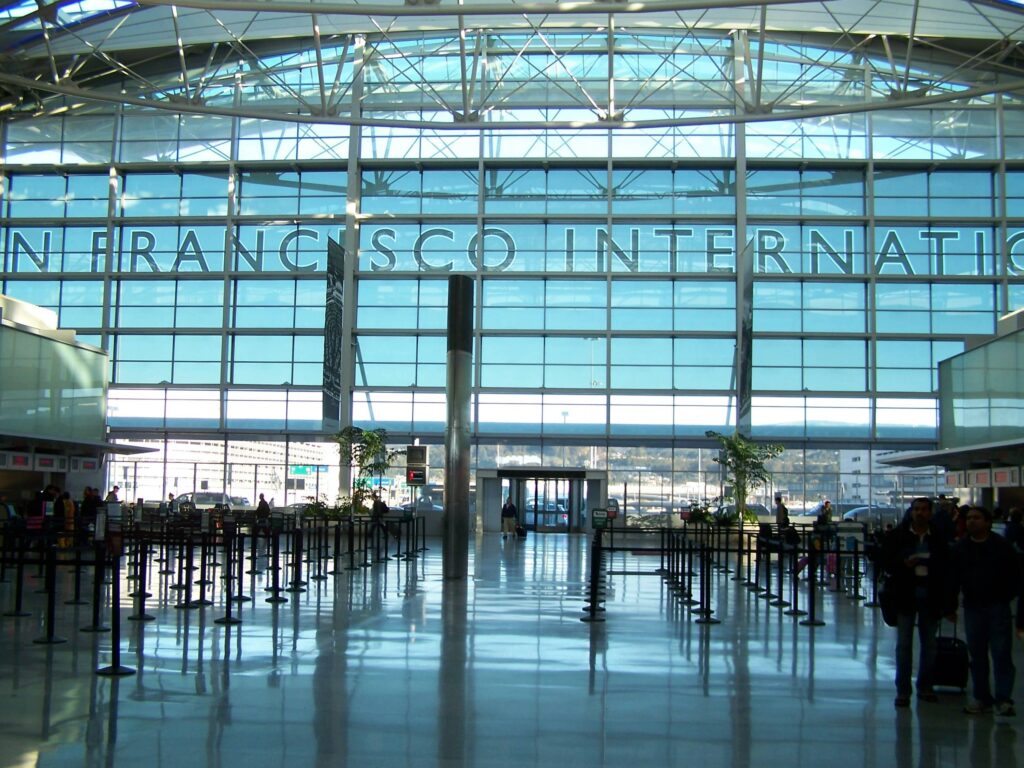 Photo by : Duke Cullinan / Unsplash
San Francisco International isn’t just having a bad day. The airport has become a case study in what happens when infrastructure capacity collides with airline ambition. Over the past three weeks, SFO has recorded consistent operational strain: 162 delays and 17 cancellations on March 9, 142 delays and 5 cancellations on March 6, and 109 delays with 8 cancellations on March 2.
The pattern is clear. SFO is operating at the edge of its physical capacity, and peak travel hours are pushing it over that edge with predictable regularity.
Geography plays a huge role in SFO’s challenges. The airport sits on a peninsula jutting into San Francisco Bay, creating unique weather patterns that other major hubs don’t face. Marine fog rolling in from the Pacific can reduce visibility to minimums, forcing the Federal Aviation Administration to increase spacing between arriving aircraft. That spacing requirement cascades through the entire operation, turning what should be a 90-second gap between landings into three or four minutes.
When you multiply that delay across hundreds of daily arrivals, you get aircraft stacking up in holding patterns, departure slots getting pushed back, and connections that looked safe when you booked them turning into nail-biters you probably won’t make.
SFO operates primarily on two parallel runways designated 28L and 28R. A third runway, 1R/19L, provides additional capacity for narrowbody departures during peak periods. That runway is scheduled to close completely from March 30 through October 2, 2026, for a $180 million repaving and upgrade project. Airport officials claim this will affect “less than 10% of flights,” but ten percent of SFO’s 1,200 daily operations equals 120 delayed flights per day, every day, for six months straight.
The Peak Hour Crunch That’s Breaking the System
SFO’s disruptions aren’t evenly distributed throughout the day. They concentrate during two specific windows: the morning departure bank around 9:00 AM and the evening international departure push between 8:00 PM and 9:00 PM.
The morning crunch happens when domestic business travelers, redeye arrivals from the East Coast, and first transpacific departures all compete for the same limited departure slots. Airlines schedule aggressively during this window because business travelers will pay premium fares for early departures that get them to meetings on time. The result is a concentration of flights that exceeds the airport’s optimal throughput.
Evening departures face an even tighter squeeze. Most long-haul international flights to Asia depart between 8:00 PM and midnight to arrive in Tokyo, Hong Kong, Singapore, or Shanghai during afternoon or evening hours local time. European flights tend to depart slightly earlier, between 6:00 PM and 9:00 PM, to land in London, Paris, or Frankfurt during morning hours.
When these departure banks overlap, you get what aviation professionals call a “bank conflict.” Too many aircraft need the same resources at the same time: gates, taxiways, runway departure slots, and airspace routing. Even minor delays ripple outward, affecting dozens of subsequent flights. One United Airlines captain described the evening departure process at SFO as “playing Tetris with 787s.”
International Passengers Are Getting Hit the Hardest
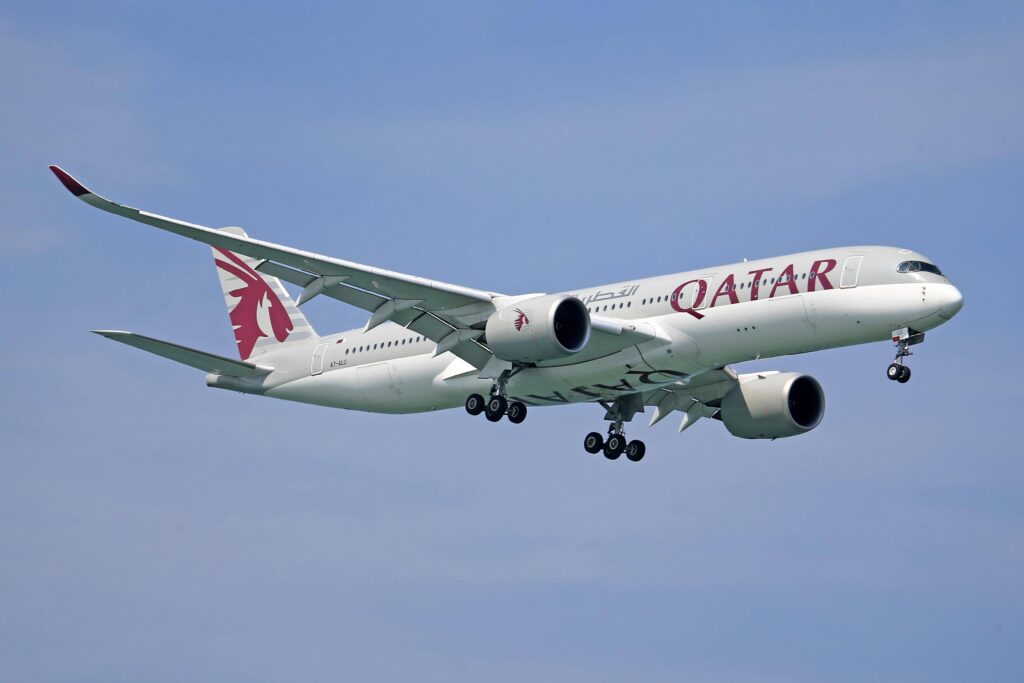 Photo by : Jeffry Surianto / Pexels
If your itinerary involves connecting through SFO to reach Europe or Asia, today’s disruptions represent more than an inconvenience. They represent a genuine risk that your trip will unravel.
International flights operate on tighter regulatory timelines. Flight crews face strict duty time limitations. If a scheduled departure gets delayed long enough that continuing would push crews beyond legal duty hours, the airline has no choice but to cancel or find replacement crews.
Passengers connecting from domestic to international flights face an additional challenge: they need time to clear security screening again when changing terminals. SFO’s international terminal is separate from domestic terminals, and transferring during disruptions can consume 45 minutes or more.
On March 2, Emirates canceled 100% of its SFO flights. Qatar Airways canceled 100%. SAS canceled 100%. These were operational decisions made when cascading delays made maintaining published schedules impossible.
The TSA Staffing Crisis Making Everything Worse
The ongoing Department of Homeland Security shutdown has left TSA screeners working without paychecks since February 14. We’re now on Day 35, and the impacts are compounding.
 Photo by : David Syphers / Unsplash
How United Airlines Is Preparing for $175 Oil While Adding 120 New Planes
More than 300 TSA agents have quit nationwide. Others are calling in sick at higher rates or taking second jobs that conflict with their schedules. The result at SFO has been longer security lines during peak periods, which creates more terminal congestion and makes the entire operation slower.
While SFO hasn’t experienced the three-hour wait times reported at Houston or New Orleans, security processing times have increased measurably. When you’re trying to make a tight international connection after a delayed inbound flight, 20 extra minutes in the security line can mean the difference between catching your flight and watching it depart without you.
The Counterargument: Maybe This Is Just Normal Airport Operations
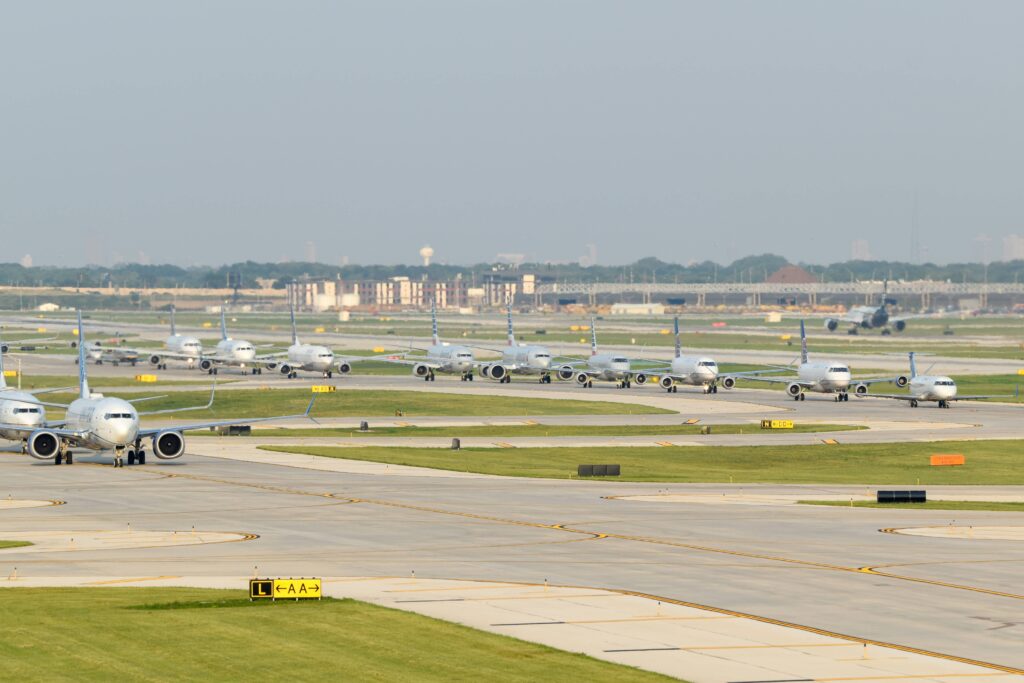 Photo by : David Syphers / Unsplash
Perhaps we’re overreacting to disruption levels that represent normal variance at a major international hub.
SFO handles roughly 1,200 flight operations daily. Sixty-seven delays and three cancellations represent 5.5% of the schedule. That means 94.5% of flights are operating on time or with minor delays.
Other major hubs experience similar or worse disruptions. Chicago O’Hare recently logged 790 cancellations and 830 delays in a single day. The aviation industry has become remarkably reliable compared to historical standards.
The alternative to today’s occasional delays would be permanently reduced schedules. That would mean fewer flight options, higher fares, and less convenience. The tight scheduling that creates vulnerability also creates the frequency and price competition that makes air travel accessible.
What Travelers Can Actually Do About This
If you’re flying through SFO in the near future, hope is not a strategy. Here are practical steps:
Book morning flights when possible, but understand the 9:00 AM departure bank is congested. The sweet spot is often the 7:00 AM to 8:00 AM window, after redeye arrivals have cleared but before the business travel rush hits full force.
For international connections, build in longer layover times than you think you need. The industry standard minimum connection time at SFO is often 60 to 90 minutes for domestic to international transfers. During periods of known congestion, treat three hours as the minimum safe connection time.
Use airline apps to monitor your flight status obsessively starting 24 hours before departure. Airlines often know about operational problems before they make formal announcements. If you see your aircraft is coming from a delayed inbound flight, start exploring rebooking options immediately.
Consider alternative routing that avoids SFO during peak periods. Flying through Los Angeles, Seattle, or even connecting through an East Coast hub might add time to your total journey but could actually get you to your destination faster than waiting out delays at SFO.
Looking Ahead: Summer Is Going to Be Challenging
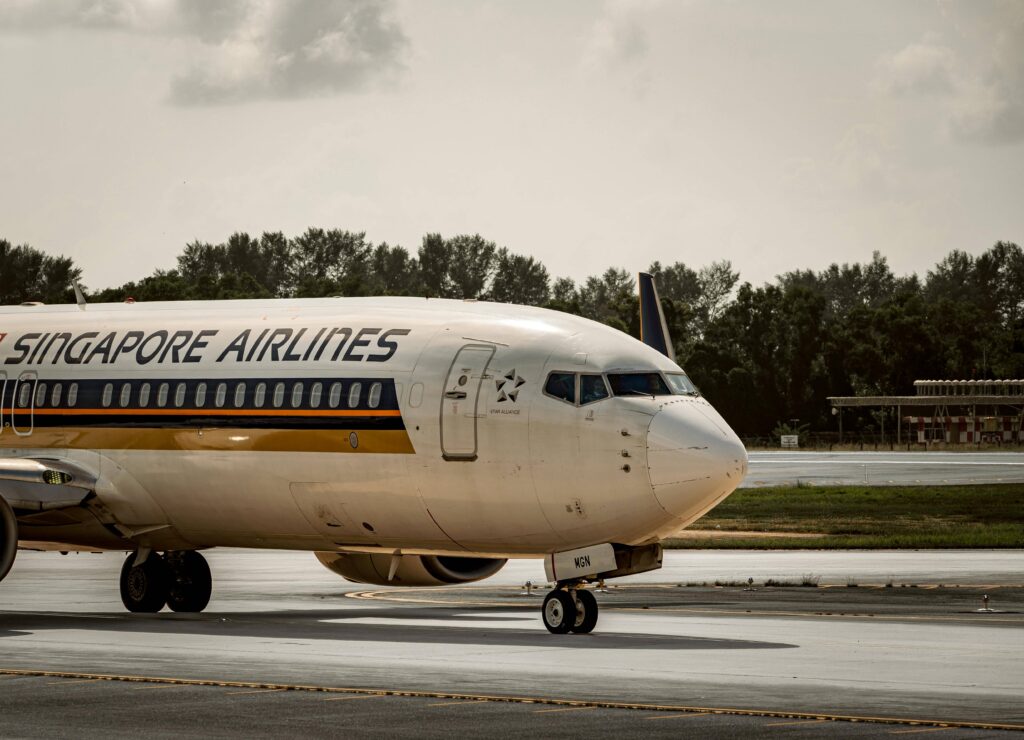 Photo by : Optical Chemist / Pexels
Today’s congestion issues are a preview of what’s coming when the Runway 1R closure begins on March 30. Airport officials are framing the six-month project as a necessary investment in long-term reliability, and they’re not wrong. The runway needs repaving, the lighting systems need upgrades, and the taxiway realignments will improve ground traffic flow once complete.
But “once complete” is October 2, 2026. Between now and then lies the entire summer travel season, when SFO processes its highest passenger volumes. Memorial Day weekend, July 4th, and Labor Day will all occur during the closure period.
The FAA has approved SFO’s operational plan, which involves funneling all traffic through the two main parallel runways. In theory, it should work. In practice, it leaves zero margin for error when weather deteriorates or equipment failures occur.
Travelers with SFO connections booked between April and September should monitor their reservations closely for schedule changes. Airlines will almost certainly adjust flight times and frequencies as they adapt to reduced capacity.
The departure boards at SFO will turn from red back to green eventually. Flights will depart. Passengers will reach their destinations. The question is how many extra hours or days that will take, and whether the travelers caught in today’s congestion will learn to avoid SFO during peak periods or just accept these delays as the new normal price of flying through one of America’s most operationally challenging airports.
Related Aviation News
 Photo by : Filip Chudoba / Unsplash
Chicago O’Hare Turns Into a Snow Globe From Hell as 790 Flights Get Canceled
Chicago O'Hare storms cause 790 cancellations and 830 delays. Severe snowstorms and high winds strand thousands at ORD.…
 Photo by : Wikimedia Commons
Three Aviation Incidents in One Week Exposed How Fragile Modern Air Travel Really Is
JetBlue's groundstop, American Airlines weather delays, and a damaged CRJ700 radome at Reagan National highlighted aviation's fragile state…
 Photo by : Christian Lambert / Unsplash
Airlines Are Making More Money Than Ever and Your Wallet Is About to Feel It
U.S. airlines report record spring demand. United sees March fares up 15-20% YoY, revenue per seat rising 14%…
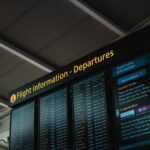 Photo by : Winston Tjia / Unsplash
Why Your Flight Keeps Getting Delayed While the FAA Spends Billions Fixing Air Traffic Control
FAA invests $12B in air traffic control overhaul as DOT rolls back passenger protections. Airport delays hit 248M…
 Photo by : Ramaz Bluashvili / Pexels
Chemical Odor Grounds Flights at DC Airports: What Travelers Need to Know
Chemical smell at FAA facility caused ground stops at DCA, Dulles, BWI airports. Overheated circuit board led to…