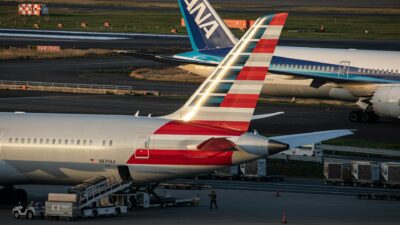
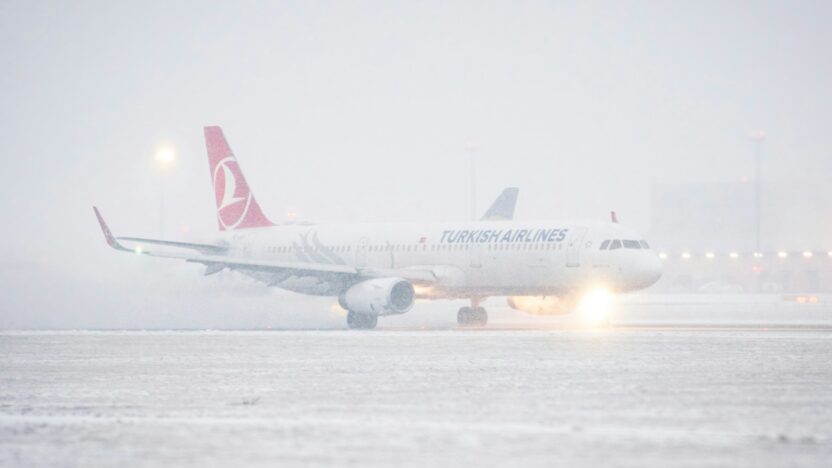
Your flight just got canceled. Again. Welcome to Chicago O’Hare International Airport in mid-March 2026, where Mother Nature decided to throw a tantrum that’s stranding thousands of travelers.
Severe snowstorms combined with punishing high winds slammed into O’Hare today, triggering 790 flight cancellations and 830 delays. The numbers tell part of the story, but they don’t capture the families sleeping on airport floors or the sheer frustration of watching vacation plans melt faster than snow on the tarmac.
The Perfect Storm That Nobody Wanted
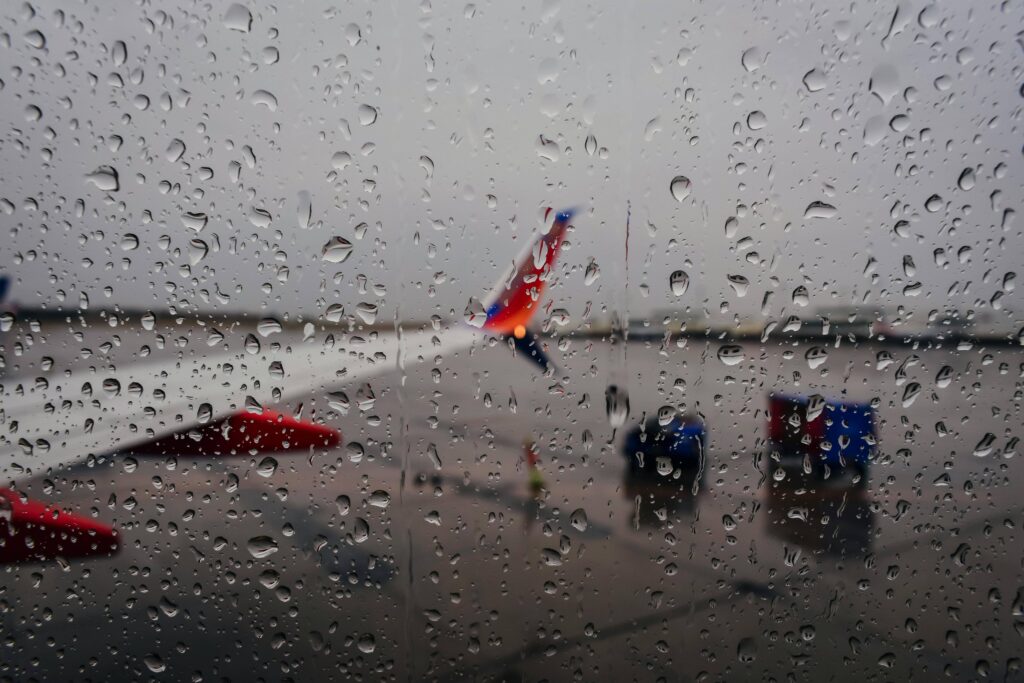 Photo by : Chris F/ Pexels
The weather system hammering Chicago right now isn’t your typical Midwest snow event. Heavy snow accumulation, severe thunderstorms, and wind gusts strong enough to make even seasoned pilots think twice have created conditions that the Federal Aviation Administration simply can’t ignore.
When the FAA issues ground stops at an airport the size of O’Hare, you know things are serious. The agency ordered multiple temporary halts to incoming flights throughout the day, creating a domino effect that ripples across the entire national air traffic system.
Think of O’Hare as the beating heart of America’s flight network. When that heart stutters, every connected artery feels the impact. Minneapolis reported significant disruptions with over 70% of scheduled flights affected. LaGuardia saw disruptions specifically tied to Chicago connections. Even airports not directly hit by the storm felt the pain as aircraft and crews ended up stranded in the wrong cities.
Why O’Hare Gets Hit Harder Than Other Airports
Geography matters in aviation, and O’Hare’s location puts it squarely in the crosshairs of Midwest weather systems. The airport sits right in the path where cold Arctic air masses collide with warmer, moisture-laden air from the Gulf of Mexico. When these air masses meet during transitional seasons like spring, you get exactly the kind of volatile conditions we’re seeing today.
But weather alone doesn’t tell the whole story. O’Hare is already operating at the edge of its physical capacity under normal conditions. The airport was designed for around 2,500 daily operations, yet airlines have been pushing it to handle over 3,000 flights per day. That leaves zero margin for error when things go sideways.
Retired United Airlines Captain Sarah Johnson, who flew out of O’Hare for 25 years, puts it bluntly: “The airport’s runway and taxiway system wasn’t built for this volume. Add construction projects, weather, and aggressive scheduling, and you get what we saw today. Even minor delays cascade because there’s no slack in the system. Pilots call it flying on the edge. One delay and the whole thing unravels.”
The FAA has been warning about this for months. They’re planning to cap O’Hare’s summer operations starting March 29, cutting approximately 280 flights per day from the schedule. Today’s chaos is basically exhibit A in the case for why that cap is necessary.
The Human Cost of Stranded Travelers
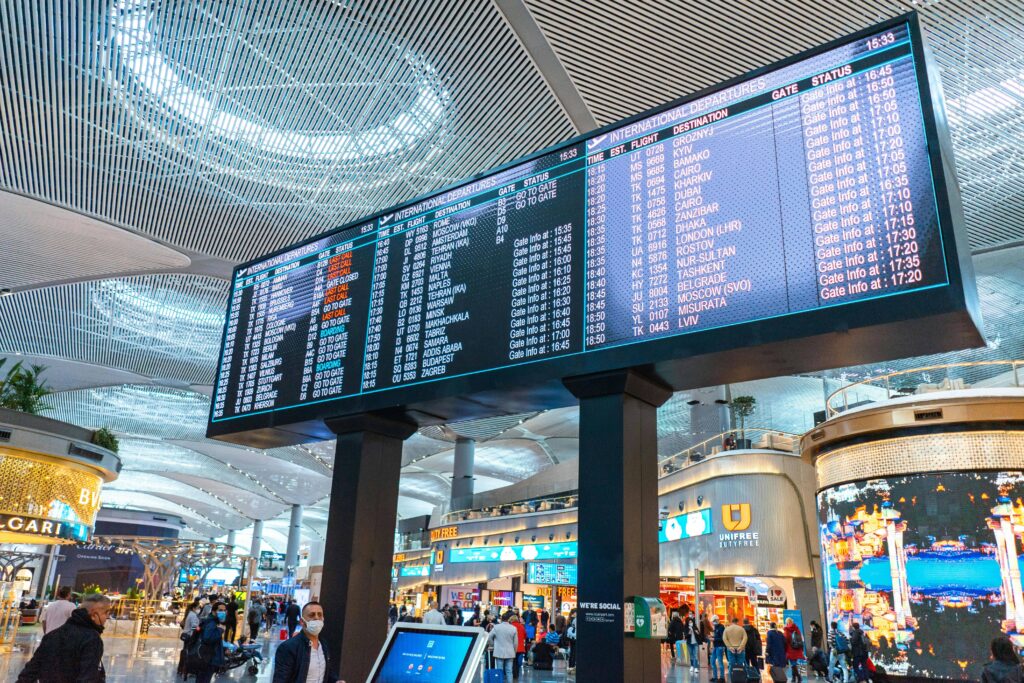 Photo by : Atlantic Ambience / Pexels
Behind every canceled flight is a story. Argy Giannisis Manes was heading to the airport when she got the notification that her flight was delayed five hours. “We thought there might be traffic because of St. Patrick’s Day. We’re on the way to the airport in our Uber, and we got a notification saying our flight is delayed five hours.”
Kelly Price found herself in an even worse situation. After her Sunday night flight from Orlando to Colorado got canceled early Monday morning, she ended up sleeping on the airport floor. The soonest flight she could book didn’t leave until Tuesday afternoon.
When you’re looking at 790 cancellations and 830 delays, you’re talking about tens of thousands of disrupted passengers. The terminals at O’Hare today resembled refugee camps with roller bags.
The TSA Staffing Crisis Making Everything Worse
Here’s where the situation gets even more complicated. The weather chaos is happening right as Transportation Security Administration screeners just missed their first full paycheck due to an ongoing government shutdown. The Department of Homeland Security, which includes TSA, hasn’t been funded since February 14 because of a political standoff over immigration policy.
This is the third shutdown in less than a year to leave TSA workers temporarily without pay. More than 300 TSA agents have quit since the shutdown began, unable to afford gas to get to work or taking second jobs that conflict with their security screening schedules.
The result? Longer security lines at a time when passengers are already stressed and dealing with delays. Some travelers reported wait times stretching beyond two hours just to get through security checkpoints that would normally take 30 minutes. When you’re trying to catch a rebooked flight with a tight connection, those extra minutes can mean the difference between making your trip or spending another night on an airport floor.
Airlines Scrambling to Manage the Chaos
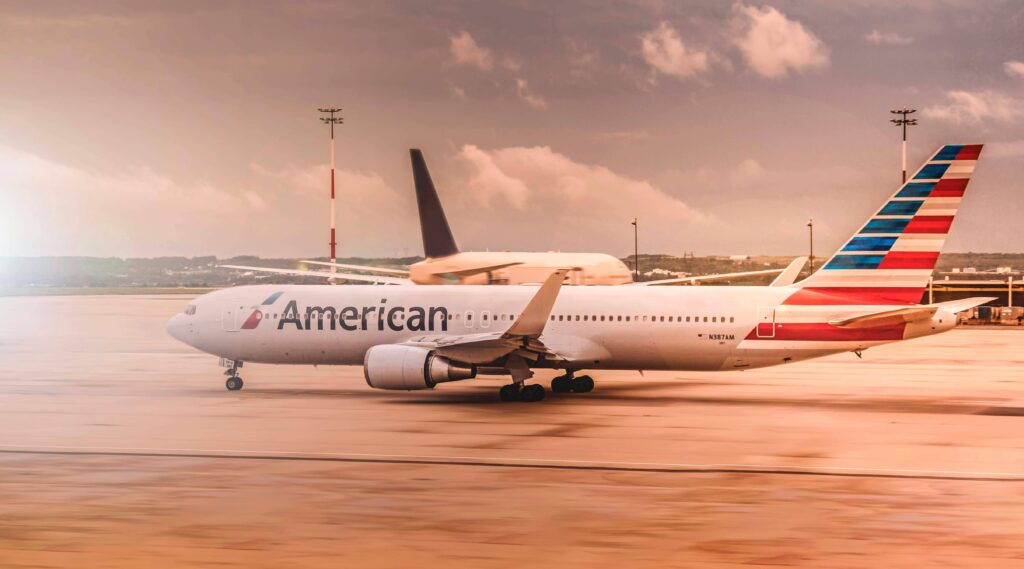 Photo by : Quintin Gellar / Pexels
United Airlines and American Airlines, the two carriers dominating O’Hare, faced the brunt of the disruptions. SkyWest and PSA Airlines, which operate regional flights under United and American brands, saw particularly severe impacts as smaller aircraft are more vulnerable to high winds.
 Photo by : David Syphers / Unsplash
How United Airlines Is Preparing for $175 Oil While Adding 120 New Planes
Delta, Southwest, and other carriers also reported significant delays. Airlines have been offering travel waivers and helping passengers rebook, but there’s only so much they can do when aircraft are stuck in the wrong cities and crews have timed out on legal duty hours.
The Counterargument: Maybe We’re Overreacting
Here’s a perspective worth considering: airports cancel flights in severe weather for good reason, and perhaps we should appreciate that safety is being prioritized over schedule adherence.
In the era before sophisticated weather radar and conservative FAA oversight, airlines used to push through conditions that today would automatically trigger ground stops. The result was significantly higher accident rates and incidents that, while rare, were catastrophic when they occurred.
The 790 cancellations and 830 delays at O’Hare represent an aviation system that’s actually working as designed. When conditions deteriorate to the point where safe operations are questionable, flights get canceled. That’s not a failure of the system but rather proof that safety protocols are functioning.
Moreover, O’Hare handles roughly 2,500 to 3,000 flights on a typical day. That means even with today’s disruptions, over 1,000 flights still operated successfully. The canceled and delayed flights get the headlines, but thousands of passengers made it to their destinations safely despite the challenging conditions.
The real question isn’t whether today’s cancellations were justified but rather why airlines scheduled so many flights at an airport that was already operating beyond its optimal capacity.
What This Means for Your Travel Plans
 Photo by : Tim Mossholder / Unsplash
If you’re supposed to fly through O’Hare in the next 24 to 48 hours, assume your plans will change. The storm’s immediate impacts might pass, but the operational disruptions ripple forward for days as airlines work to reposition aircraft and crews.
Call your airline proactively rather than waiting for them to contact you. Most carriers have extended their travel waivers to cover rebooking without change fees for anyone affected by the Chicago weather. That flexibility extends to changing your travel dates entirely if you’d rather avoid the chaos.
Consider alternative routing if possible. Flying around O’Hare through other hubs might add time to your journey but could get you to your destination faster than waiting for the backlog to clear in Chicago. Detroit, Minneapolis, or even Dallas could serve as viable alternatives depending on your final destination.
Pack patience along with your carry-on. The airline staff dealing with these disruptions are working extended hours under stressful conditions, often while dealing with angry passengers who are understandably frustrated. Being kind to gate agents and customer service representatives won’t get your flight un-canceled, but it might help them prioritize getting you on the next available option.
Looking Ahead: Summer Could Be Even Worse
Today’s weather-induced chaos at O’Hare is a preview of what could become routine this summer if the FAA doesn’t follow through on its planned operational cap. The agency’s proposal to cut 280 daily flights starting March 29 will inconvenience some travelers by reducing flight options and potentially increasing fares, but it should reduce the severity of disruptions when bad weather inevitably hits.
The alternative is more days like today, where a weather system that other major airports handle with moderate delays turns O’Hare into a complete operational breakdown because the airport is already running at 120% of its designed capacity.
For travelers, the lesson is clear: if your trip involves O’Hare between now and October, build in buffer time, avoid tight connections, and keep backup plans ready. The Midwest weather is unpredictable enough without adding an overcrowded airport to the equation.
The snowstorms will pass. The high winds will die down. Eventually, the departure boards will turn from red back to green. But the underlying structural issues that make O’Hare particularly vulnerable to weather disruptions will remain until someone makes hard choices about capacity limits and realistic scheduling.
Until then, keep your phone charged, your airline app updated, and maybe pack an extra layer in case you end up spending the night on the floor of Terminal 3.
Related Aviation News
 Photo by : Wikimedia Commons
Three Aviation Incidents in One Week Exposed How Fragile Modern Air Travel Really Is
JetBlue's groundstop, American Airlines weather delays, and a damaged CRJ700 radome at Reagan National highlighted aviation's fragile state…
 Photo by : Ryuno / Unsplash
San Francisco Airport Becomes a Parking Lot in the Sky as Peak Hour Chaos Strands Travelers
SFO congestion causes 67 delays and 3 cancellations today. Peak-hour bottlenecks hit United, Delta, American, Alaska. International connections…
 Photo by : Christian Lambert / Unsplash
Airlines Are Making More Money Than Ever and Your Wallet Is About to Feel It
U.S. airlines report record spring demand. United sees March fares up 15-20% YoY, revenue per seat rising 14%…