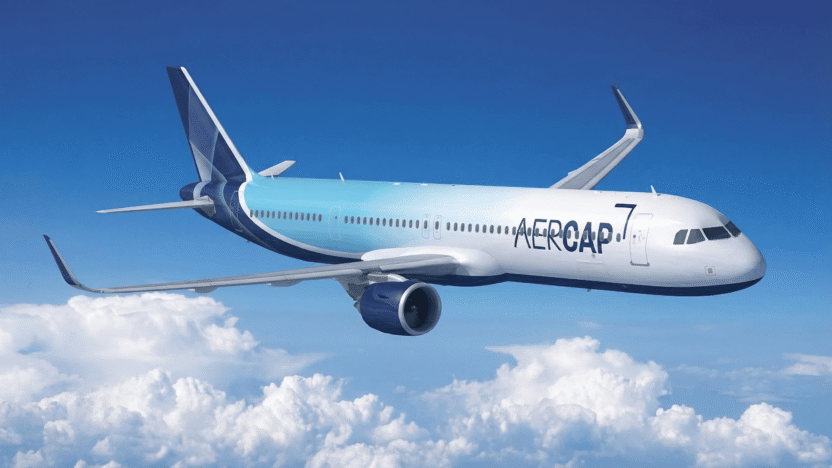
The world’s largest aircraft lessor just made a statement that every airline CEO needs to pay attention to. AerCap, the Dublin-based leasing giant that manages 1,825 aircraft, signed a firm order for 100 Airbus A320neo family aircraft on March 18, 2026. That’s 23 A320neo jets and 77 of the larger A321neo variant, representing the single biggest direct Airbus narrowbody order AerCap has ever placed.
This Order Breaks AerCap’s Eight Year Hiatus on Direct Airbus Purchases
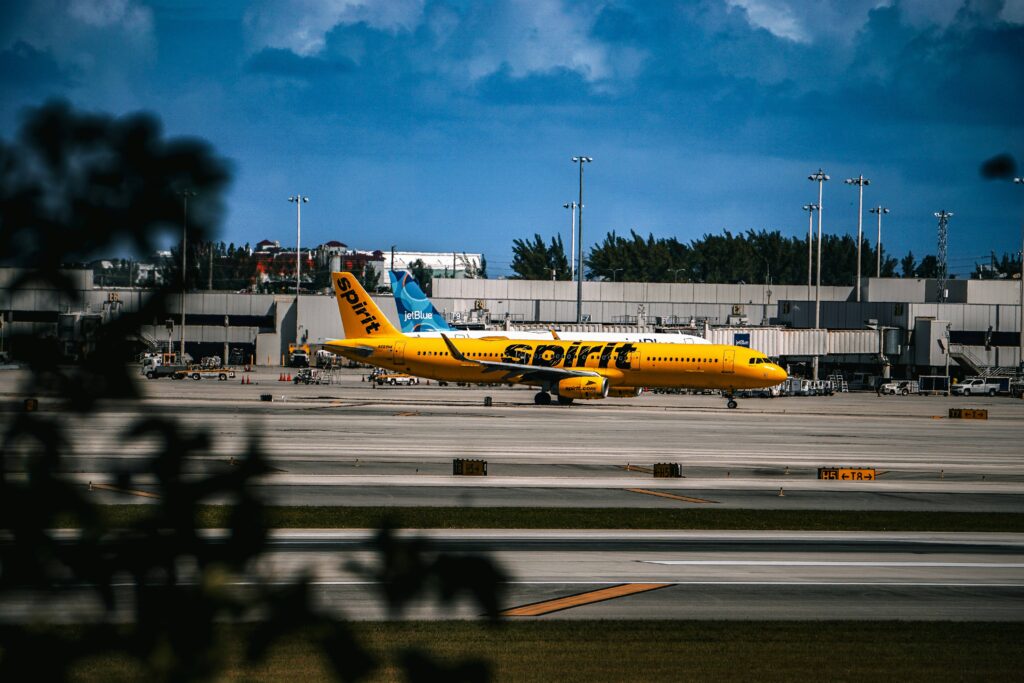 Photo by : Randolph Rojas / Unsplash
Here’s what makes this deal interesting. AerCap hasn’t placed a direct order for A320 family aircraft with Airbus since December 2017. That’s an eight-year gap.
During that time, AerCap picked up Spirit Airlines’ Airbus order book in October 2025, adding 52 A320neo aircraft plus ten options. They’ve been acquiring aircraft through various channels and managing sale-leaseback deals.
But this new order signals something different. AerCap CEO Aengus Kelly made their strategy clear: “This order for 100 A320neo Family aircraft reflects our strong belief in the long-term demand for these highly efficient aircraft and will help meet the continued demand we see from our customers for both growth and replacement needs.”
Airlines are requesting these specific planes, and AerCap is locking in delivery slots before the queue gets even longer.
Deliveries Stretch From 2028 Through 2034 Because Everyone Wants These Planes
The delivery schedule tells its own story. These 100 aircraft will arrive between 2028 and 2034, a six-year window reflecting how backed up Airbus production has become.
The A320neo family has accumulated over 11,600 firm orders from more than 130 customers globally. Airbus is ramping production toward 75 aircraft per month by 2027 across assembly lines in Toulouse, Hamburg, Tianjin, and Mobile, Alabama, yet still struggles to meet demand.
Airlines can’t get these planes fast enough, which is exactly why lessors like AerCap exist. If you need narrowbody capacity in 2030 but didn’t order three years ago, your options are limited: wait in line or lease from someone who ordered early.
The A321neo Gets the Lion’s Share for Good Reason
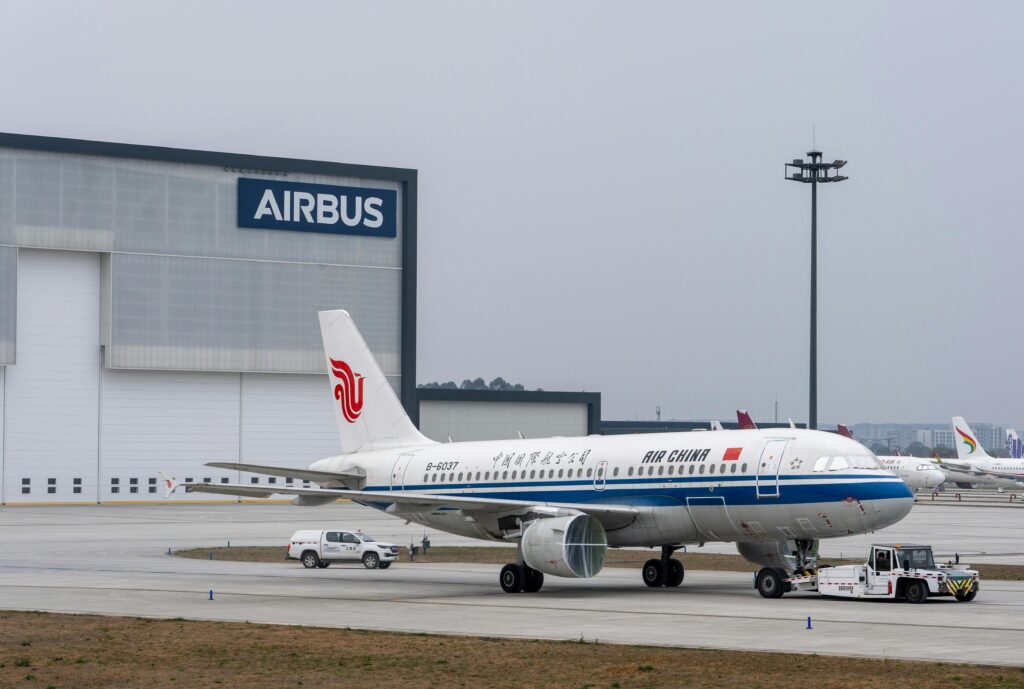 Photo by : Peter Xie / Pexels
The split reveals market preferences: 77 A321neo versus only 23 A320neo. That 77% skew reflects where demand has moved.
The A321neo carries up to 244 passengers and has range for transatlantic routes. Airlines use it to replace aging 757s, open new city pairs, and maximize revenue on high-demand markets. The A321neo now accounts for roughly 72% of the entire A320neo backlog.
For AerCap, ordering more A321neos than A320neos responds directly to airline customer requests. When you’re providing aircraft on lease, you order what you know you can place at attractive rates.
This Deal Comes With a 48-Engine Side Order
The order includes a long-term lease agreement for 48 CFM International LEAP-1A engines through Shannon Engine Support, AerCap’s joint venture with Safran Aircraft Engines. Deliveries start in Q2 2026, months before the first aircraft arrives.
Why order spare engines separately? Engine availability has become a massive pain point. Having spare engines means keeping customers’ planes flying instead of grounded waiting for maintenance. AerCap is positioning itself as a complete solutions provider, not just an aircraft lessor.
Frontier Airlines Appears in the Background of This Story
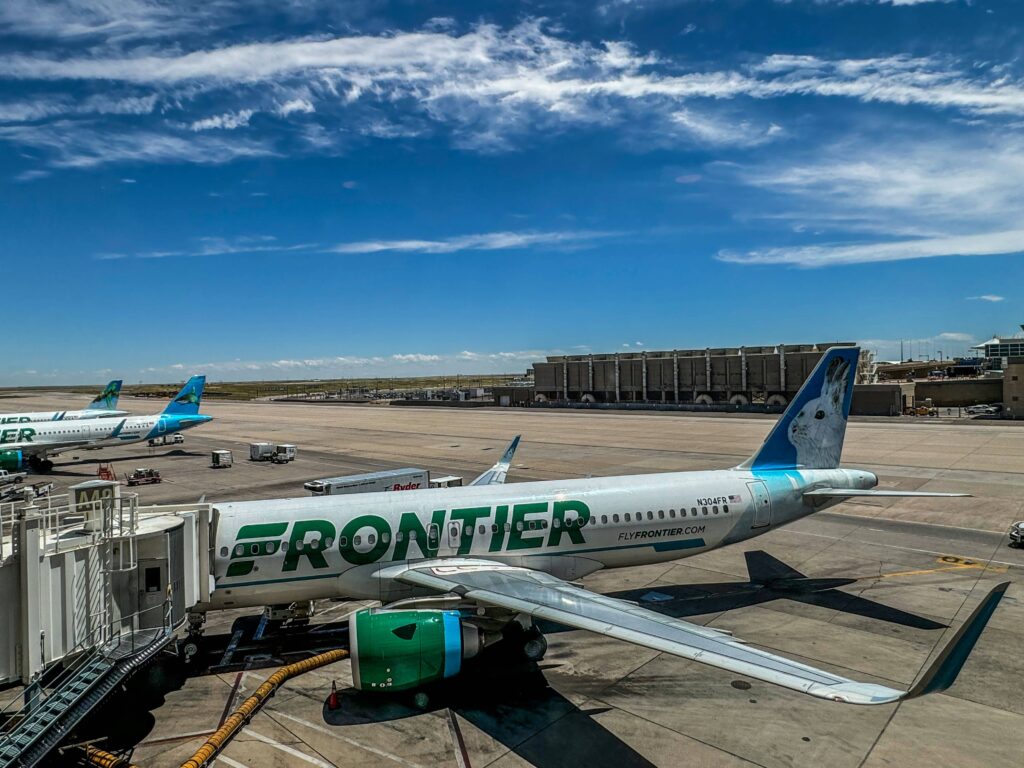 Photo by : Michael Evans / Unsplash
Kelly mentioned working “closely with three of our long-standing partners: Frontier Airlines, CFM and Airbus” on this transaction. That name drop wasn’t accidental.
Frontier operates an all-Airbus fleet and has been one of the fastest-growing ultra-low-cost carriers in the United States. Their business model depends on operating the most fuel-efficient narrowbodies they can find, which makes the A320neo family a natural fit. By structuring this deal in a way that helps Frontier “optimize its fleet,” AerCap is likely setting up future lease arrangements that benefit both parties.
This is how the aircraft leasing ecosystem works at the highest levels. Lessors don’t just order planes and hope someone leases them. They coordinate with airline customers, manufacturers, and engine suppliers to create packages that work for everyone involved. The actual mechanics of who pays for what and when things get delivered can get Byzantine, but the basic principle is simple: match supply with demand years in advance.
The Broader Context Shows Airbus Solidifying Its Narrowbody Dominance
This order arrives at a moment when Airbus is watching Boeing claw back some market share after years of struggling with production issues, safety concerns, and regulatory scrutiny. Boeing finally won the annual order race in 2025 for the first time in seven years, booking 1,173 net orders against Airbus’s 889.
But the narrowbody segment tells a different story. The A320neo family maintains about 60% market share versus Boeing’s 737 MAX at roughly 40%. With over 19,000 total orders for the A320 family across all variants, Airbus has built an overwhelming lead in single-aisle aircraft.
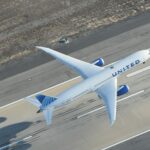 Photo by : David Syphers / Unsplash
How United Airlines Is Preparing for $175 Oil While Adding 120 New Planes
AerCap’s choice to double down on Airbus narrowbodies with their largest-ever single order sends a clear market signal. The world’s biggest lessor, the entity with perhaps the best visibility into global airline demand trends, is putting its capital behind Airbus.
That doesn’t mean the 737 MAX is doomed or that Boeing won’t remain competitive. But it does suggest that when lessors look at what airlines want to lease over the next decade, they see more demand for A320neo family aircraft than they can currently satisfy.
The Fuel Efficiency Story That Nobody Talks About Enough
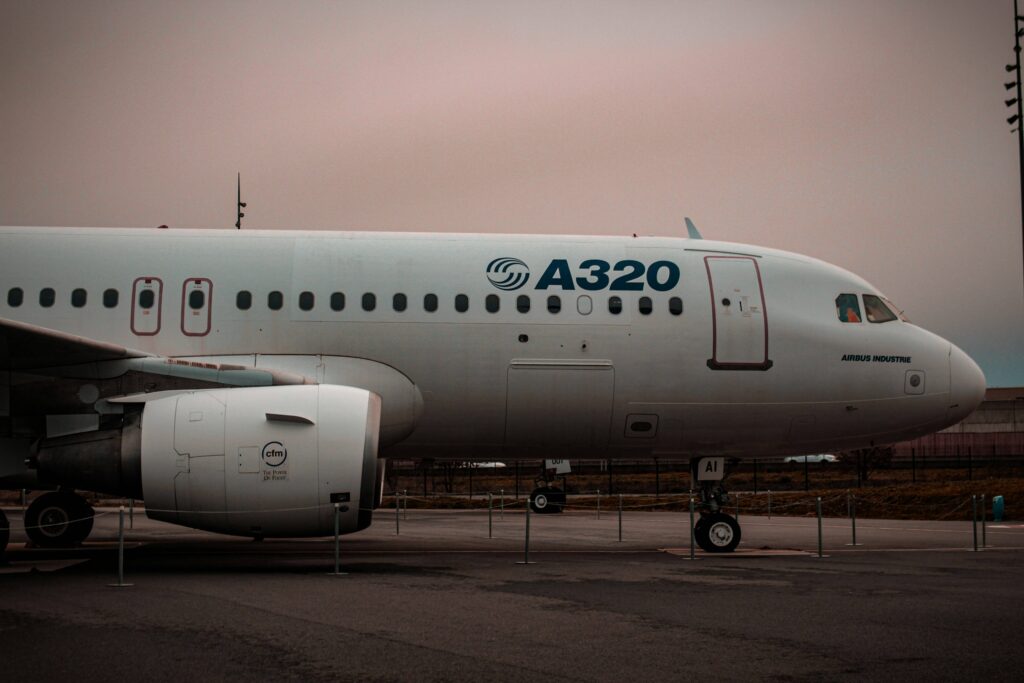 Photo by : gabriel goncalves / Pexels
The A320neo family delivers at least 20% lower fuel burn and CO2 emissions compared to previous-generation aircraft. Some operators report real-world savings of 18-25%.
That 20% improvement translates directly to the bottom line. Fuel represents one of the two largest operating costs for airlines. A 20% reduction can make the difference between profit and loss on a route.
The environmental benefits matter for regulatory compliance and corporate sustainability targets. But airlines want these planes primarily because they’re cheaper to operate. The fact that lower costs and lower emissions align is convenient.
Some Airlines Might Disagree With This Big Bet
Here’s the counterargument that defenders of the Boeing 737 MAX would make: Not every airline needs the A321neo’s extended range or extra capacity. For shorter routes and denser networks, the 737 MAX 8 can offer superior economics with its lighter weight and simpler operations.
Southwest Airlines operates 817 Boeing 737 aircraft and has ordered hundreds more 737 MAX planes. They’ve built their entire business model around a single aircraft type, and it works brilliantly for their point-to-point network. The operational simplicity of having every pilot qualified on every plane in your fleet has real value.
United Airlines, American Airlines, and other major US carriers have also placed substantial orders for the 737 MAX family. They wouldn’t do that if the plane couldn’t compete on economics and performance.
The reality is that both the A320neo family and the 737 MAX family are excellent aircraft serving slightly different market niches. AerCap’s heavy bet on Airbus reflects their read on what the majority of their airline customers want, not an objective declaration that one manufacturer is superior to the other.
But it does reveal where the center of gravity sits in the narrowbody market right now. And that center of gravity leans toward Toulouse.
What This Means for Airlines Hunting for Aircraft
 Photo by : Optical Chemist / Pexels
If you’re an airline CFO trying to expand your fleet in 2029, this order matters to you. AerCap just locked up 100 delivery slots that would otherwise be available on the open market. Other lessors are doing the same thing. The window to secure new narrowbody aircraft through direct manufacturer orders has essentially closed for near-term delivery.
That leaves three options: lease from someone like AerCap who ordered ahead, buy used aircraft on the secondary market, or wait until the early 2030s for new direct deliveries. The first option is expensive, the second option means flying older less-efficient planes, and the third option means watching your competitors grow while you stand still.
This is exactly the position lessors want airlines to be in. When supply is constrained and demand is strong, lease rates go up. AerCap isn’t running a charity. They ordered these planes because they expect to make attractive returns leasing them to airlines that have no other options.
The Next Decade in Narrowbody Aviation Just Got More Clear
AerCap’s massive Airbus order crystallizes a few trends that will define commercial aviation through the 2030s. First, narrowbody aircraft will continue dominating new orders as airlines focus on flexibility and efficiency. Second, the A320neo family will maintain its market-leading position unless Boeing pulls off some dramatic reversal. Third, aircraft lessors will play an increasingly central role in fleet planning as direct manufacturer delivery slots become scarcer.
For passengers, this means more flights on modern, quieter, more comfortable narrowbody jets. The A320neo family features wider cabins than competing aircraft, which airlines use to squeeze in more seats but which also means slightly less claustrophobic shoulder room.
For airlines, it means accepting that leasing rather than owning will be the path forward for many carriers, particularly smaller ones that can’t afford to place massive aircraft orders years in advance.
And for Airbus, it means validation that their product strategy is working. When the world’s largest lessor places their biggest-ever single order for your aircraft, you’re doing something right.
Related Aviation News
 Photo by : Isaac Struna / Unsplash
Delta Boosts Airbus Fleet With 97 A321neos as Regional Lessor Enters Aviation
Delta expanded A321neo orders to 97 aircraft and added 31 widebodies while TrueNoord entered its first Airbus deal…
 Photo by : Christian Lambert / Unsplash
Airlines Are Making More Money Than Ever and Your Wallet Is About to Feel It
U.S. airlines report record spring demand. United sees March fares up 15-20% YoY, revenue per seat rising 14%…
Photo by : David Syphers / UnsplashHow United Airlines Is Preparing for $175 Oil While Adding 120 New Planes
United cuts 5% of flights as Iran conflict drives fuel costs higher. Planning for $175 oil while still…
 Photo by : Wikimedia Commons
Airbus vs Boeing Narrow-Body Battle: Why the A321neo Is Winning Orders
The Airbus A321neo dominates narrow-body aircraft orders with over 7,300 commitments, beating Boeing's 737 MAX through superior capacity…

Airbus vs Boeing: Who Is Winning the Aircraft Orders Race in 2026?
Boeing beat Airbus on 2025 orders for first time in 7 years with 1,173 vs 889. Early 2026…
 Photo by : Troy Mortier / Unsplash
Airbus A380 May Never Return to Production, But Its Legacy Still Shapes Aviation
Airbus A380 production ended in 2021 after $25B investment. While 159 aircraft still fly, the superjumbo's return remains…