The single most expensive mistake Boeing ever made wasn’t a design flaw or a manufacturing defect. It was hesitation. When Airbus launched the A320neo program in December 2010, promising 15 percent fuel savings, Boeing spent months insisting it didn’t need to respond. That delay cost Boeing the narrow-body crown.
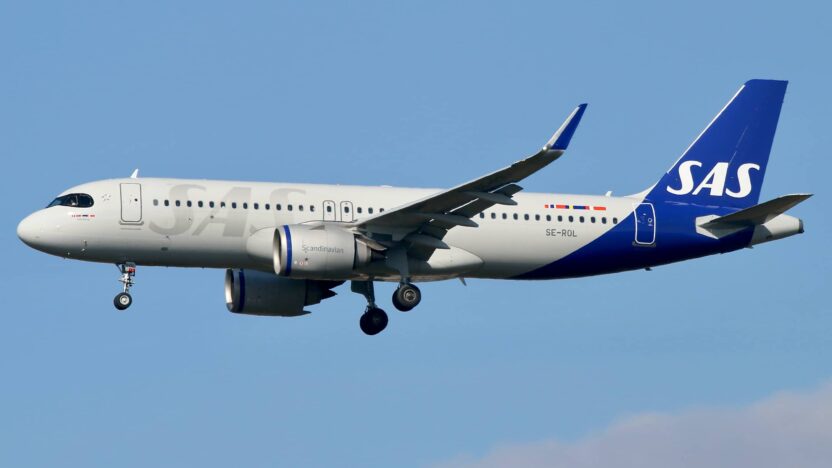
Today, the Airbus A321neo stands as the most-ordered single aircraft variant in aviation history with over 7,300 orders. Boeing’s entire 737 MAX program has secured roughly 6,779 total orders. The A320neo family commands approximately 60 percent of the global narrow-body market share compared to Boeing’s 40 percent. These numbers represent a fundamental shift in how airlines view the future of short and medium-haul flying.
American Airlines Forced Boeing’s Hand, But the Damage Was Already Done
The story begins with American Airlines doing something unthinkable in July 2011. The carrier, which had flown nothing but Boeing narrow-bodies for decades, announced an order for 460 aircraft split between Airbus and Boeing, including 130 A320ceos and 130 A320neos. The shock wasn’t just that American bought Airbus aircraft. It was that they bought the re-engined version before Boeing had even committed to building one.
Boeing scrambled. Within months, they announced the 737 MAX program. But launching a competing product after your rival already has a year head start and hundreds of orders doesn’t put you on equal footing.
The A320neo entered service in January 2016. The 737 MAX followed in May 2017. That 16-month gap gave Airbus critical momentum, and by the time Boeing’s first MAX delivered, Airbus had already accumulated thousands of orders.
The A321neo Fills a Market Gap Boeing Never Properly Addressed
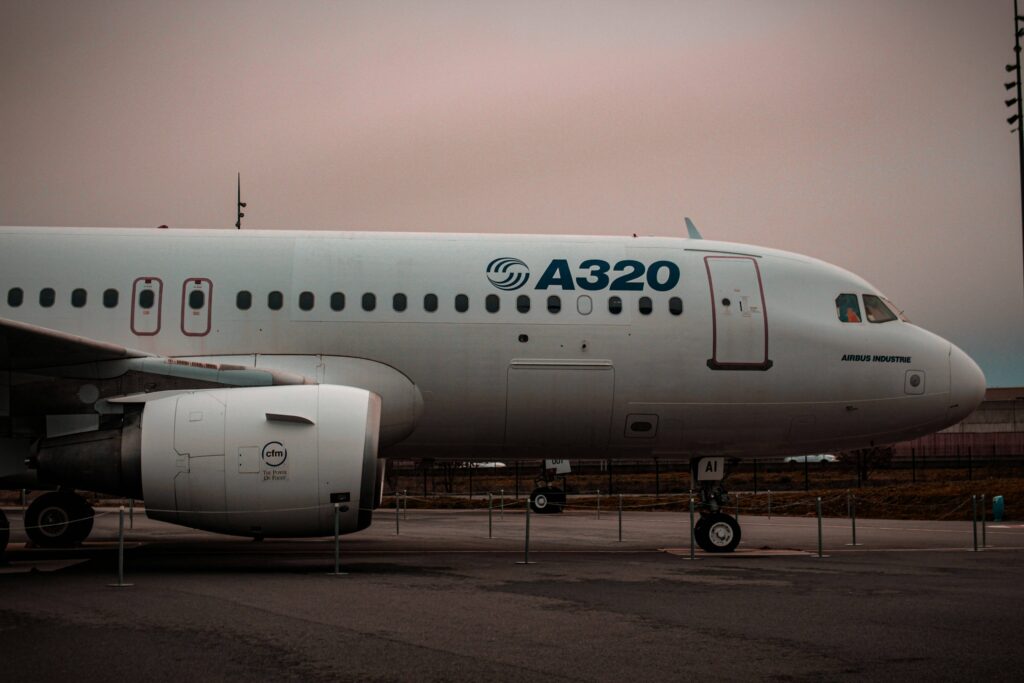 Photo by : Gabriel Goncalves / Unsplash
Within the A320neo family, the largest variant has become the runaway success story, accounting for over 7,300 orders and making it more popular than any other single aircraft variant Boeing or Airbus has ever produced. The Boeing 737-800, which held the previous record, topped out around 5,200 orders before the A321neo blew past it.
Why does the A321neo sell so well? Simple economics and capability. The aircraft measures 146 feet long and can seat up to 244 passengers in high-density configuration, though most airlines configure it for 190 to 220 passengers. That’s 15 to 20 more seats than Boeing’s competing 737 MAX 9, which maxes out at 220 passengers.
Those extra seats translate directly into revenue. When you’re a low-cost carrier operating dozens of flights daily on competitive routes, putting 15 more people on each plane means significantly better economics.
The A321neo also benefits from being genuinely wider than the 737. The fuselage is seven inches broader, allowing Airbus to install 18-inch-wide seats compared to Boeing’s 17.2-inch standard. Passengers notice that extra inch, particularly on longer flights where comfort matters.
Range Capabilities Changed the Entire Game
The A321neo doesn’t just carry more people. It flies them farther. The standard version offers a range of roughly 4,000 nautical miles. The A321LR (long range) variant maintained that range with additional fuel tanks. Then Airbus launched the A321XLR (extra long range), which can fly up to 4,700 nautical miles. That’s New York to most of Europe on a single-aisle aircraft.
This capability fundamentally changed airline network planning. For decades, airlines needed widebody aircraft to operate transatlantic routes. Those aircraft are expensive and require filling 200-300 seats to be profitable. Many routes don’t have enough demand to justify widebody service.
The A321neo fixes this problem. Airlines can now operate thin long-haul routes profitably using a single-aisle aircraft. JetBlue flies A321LRs from New York to London. Aer Lingus operates them across the Atlantic. This flexibility gives airlines operational options Boeing’s 737 MAX cannot match.
Boeing’s competing aircraft, the 737 MAX 8, has a range of approximately 3,550 nautical miles. The MAX 10 offers around 3,100 nautical miles. That’s substantially shorter than what Airbus offers, limiting route possibilities.
Engine Choice Matters More Than You’d Think
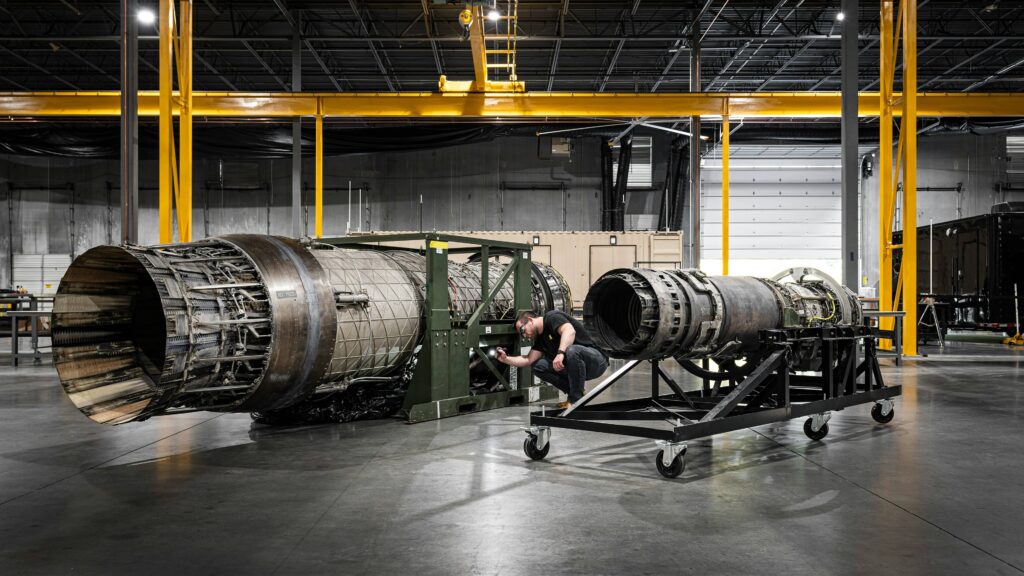 Photo by : Hermeus / Unsplash
Airbus made another smart decision: offering customers two engine options. Airlines can choose between CFM International’s LEAP-1A or Pratt & Whitney’s PW1100G geared turbofan. This flexibility matters because different airlines have different maintenance infrastructures and operational preferences.
Boeing offers only the CFM LEAP-1B engine on the 737 MAX. If you buy a MAX, you get LEAP engines, period. This eliminates potential customers who prefer Pratt & Whitney engines for fleet commonality.
Indian carrier IndiGo, which operates the world’s largest A321neo fleet with 567 more on order, chose Pratt & Whitney engines specifically for engine commonality with their existing fleet. Boeing couldn’t compete for that business regardless of aircraft quality.
Boeing’s Grounding Handed Airbus Years of Advantage
In March 2019, following two fatal crashes linked to the aircraft’s MCAS flight control system, regulators worldwide grounded the entire 737 MAX fleet. The grounding lasted 20 months, finally lifting in November 2020.
Those 20 months devastated Boeing’s competitive position. Airlines switched orders to Airbus. Production slowed. Meanwhile, Airbus kept building and delivering A320neo family aircraft at full speed, steadily capturing market share.
 Photo by : Charlie Young / Unsplash
Delta Just Proved That Travelers Will Pay Whatever It Takes to Fly Right Now
The grounding’s impact extended beyond lost sales. It damaged Boeing’s reputation for engineering excellence. Airlines started questioning whether the company still deserved their trust based on historical relationships.
Even now, Boeing faces lingering skepticism. When Alaska Airlines experienced the door plug blowout on a 737 MAX 9 in January 2024, it reignited concerns about manufacturing quality, leading to temporary groundings and inspections that found loose bolts on several planes.
The 737 MAX 10 Remains Stuck in Certification Limbo
Boeing designed the 737 MAX 10 specifically to compete with the A321neo. At 143 feet 8 inches, it’s the longest 737 ever built. Boeing claims it will deliver better per-seat economics than the A321neo thanks to lower weight.
There’s just one problem: the MAX 10 still isn’t certified. As of early 2026, the aircraft remains in the certification process. Airlines expecting delivery in 2022 or 2023 are still waiting. Some have switched orders to the A321neo instead.
The longer certification drags on, the worse Boeing’s position becomes. Every month without MAX 10 certification is another month where airlines needing large narrow-bodies can only buy A321neos.
Some Airlines Still Prefer Boeing Despite the A321neo’s Advantages
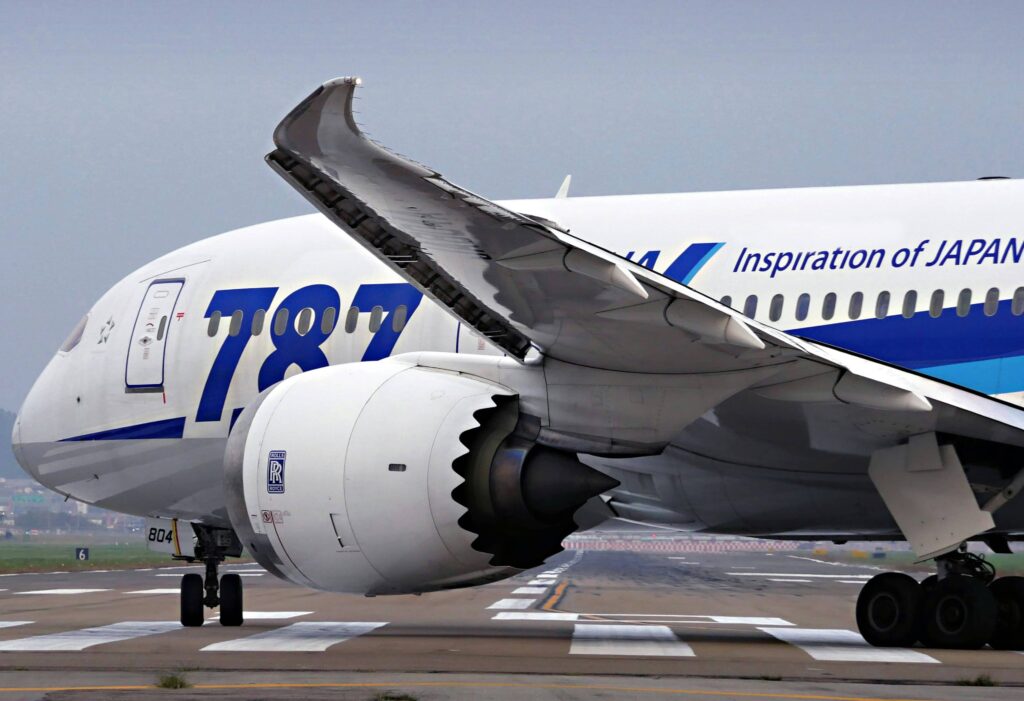 Photo by : Tienko Dima / Unsplash
Not every airline has abandoned Boeing. Southwest Airlines, which operates the world’s largest 737 fleet with over 800 aircraft, remains committed to the MAX program. Their entire business model is built around fleet simplicity, flying only 737s to minimize training costs and maintenance complexity.
United Airlines and American Airlines maintain mixed fleets, operating both A321neos and 737 MAXs. Alaska Airlines remains a loyal Boeing customer despite the door plug incident, having ordered 273 MAX aircraft.
The 737 MAX has genuine strengths. The MAX 8, which accounts for roughly 70 percent of all MAX orders, excels in the 160 to 180-seat market. It’s slightly lighter than the A320neo, giving it better fuel efficiency on shorter routes.
Boeing argues that while the A321neo wins on pure capacity, the 737 MAX family delivers better overall economics when considering fuel burn and maintenance costs across varied route lengths. They point out that airlines don’t always want the biggest possible aircraft.
The Numbers Tell a Story Boeing Can’t Spin Away
Counterarguments aside, the order books don’t lie. As of early 2026, the A320neo family backlog stands at approximately 7,193 aircraft. The 737 MAX backlog sits around 4,887 aircraft. That’s a gap of more than 2,300 aircraft, representing roughly five years of production at current rates.
The disparity becomes even more striking when you look at the largest variants. The A321neo alone has accumulated over 7,300 orders. Boeing’s competing 737 MAX 9 has attracted just 500 to 600 orders. Even adding the forthcoming MAX 10 orders, Boeing remains thousands of units behind.
Delivery numbers reinforce Airbus’s dominance. Through early 2026, Airbus has delivered over 1,760 A321neo aircraft, producing them at a rate exceeding 70 aircraft per month across all A320 family variants. Boeing is ramping 737 MAX production toward 52 aircraft per month by the end of 2026.
What This Means for the Future of Narrow-Body Aviation
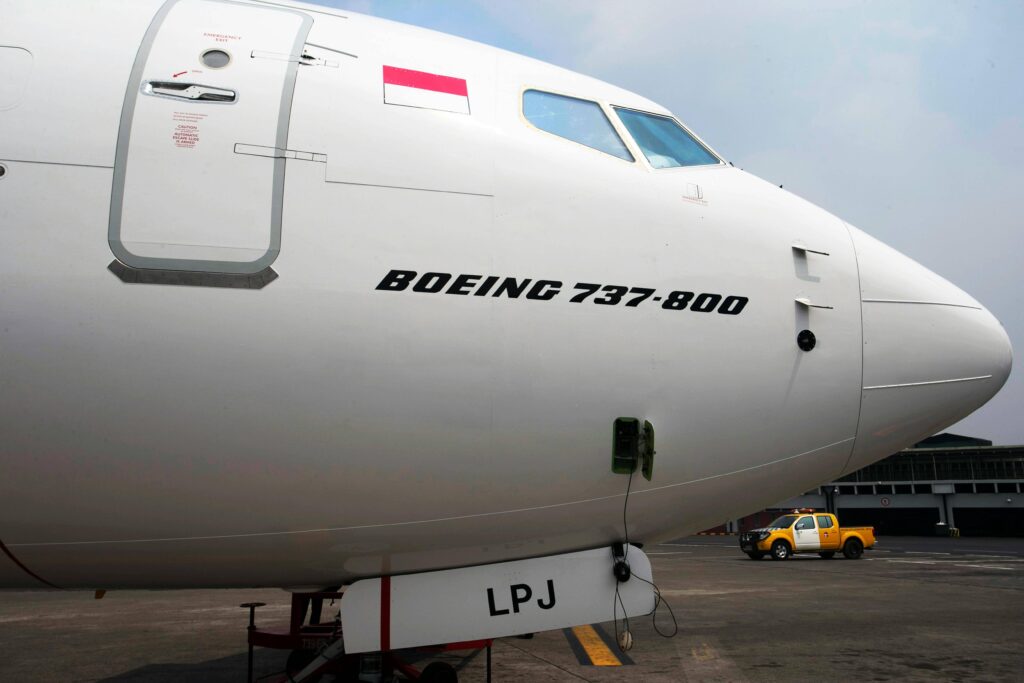 Photo by : Jeffry Surianto / Pexels
The A321neo’s success has implications beyond market share numbers. It’s changing how airlines think about their networks. The combination of 200-plus seats and 4,000-plus nautical mile range enables route structures that weren’t economically viable before. Secondary cities can now get direct long-haul service using single-aisle aircraft.
This democratization of long-haul flying benefits passengers in smaller markets who previously had to connect through hubs. It benefits airlines by opening new revenue opportunities.
Boeing needs to respond with either a clean-sheet design or a more competitive MAX variant that genuinely matches what the A321neo delivers. Simply claiming better economics on paper isn’t enough when airlines consistently choose Airbus.
The narrow-body battle isn’t over. Boeing will continue selling 737 MAXs to loyal customers and carriers where the MAX 8’s capabilities fit their needs. But in the crucial large single-aisle segment where growth is happening fastest, Airbus owns the market. The A321neo has won this round decisively.
Airlines vote with billion-dollar orders. They’ve voted for the A321neo in numbers that speak louder than any analysis. Boeing learned a painful lesson about the cost of hesitation. Sometimes being second to market isn’t just a disadvantage. It’s the difference between dominating a segment and fighting for scraps.
Related Aviation News
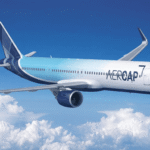
AerCap Just Placed the Biggest Airbus Order in Its History and Airlines Should Pay Attention
AerCap orders 100 A320neo aircraft from Airbus in record deal: 23 A320neo, 77 A321neo. World's largest lessor bets…

Airbus vs Boeing: Who Is Winning the Aircraft Orders Race in 2026?
Boeing beat Airbus on 2025 orders for first time in 7 years with 1,173 vs 889. Early 2026…
 Photo by : Isaac Struna / Unsplash
Delta Boosts Airbus Fleet With 97 A321neos as Regional Lessor Enters Aviation
Delta expanded A321neo orders to 97 aircraft and added 31 widebodies while TrueNoord entered its first Airbus deal…
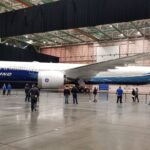 Photo by : Wikimedia Commons
Why Boeing’s 777X Is One of the Most Delayed Aircraft Programs in Aviation
Boeing's 777X faces 7-year delays to 2027 after technical failures, certification hurdles, and $15B in charges since 2013…
 Photo by : Henry Siismets / Unsplash
United Debuts 737 MAX 8 in Guam, Replacing Aging Jets on Island Hopper
United Airlines debuts Boeing 737 MAX 8 in Guam, replacing aging 737-800s on Pacific routes including the legendary…
Photo by : Charlie Young / UnsplashDelta Just Proved That Travelers Will Pay Whatever It Takes to Fly Right Now
Delta maintains Q1 profit guidance despite fuel spike. Strong leisure demand and full-priced bookings offset $400M cost increase.