
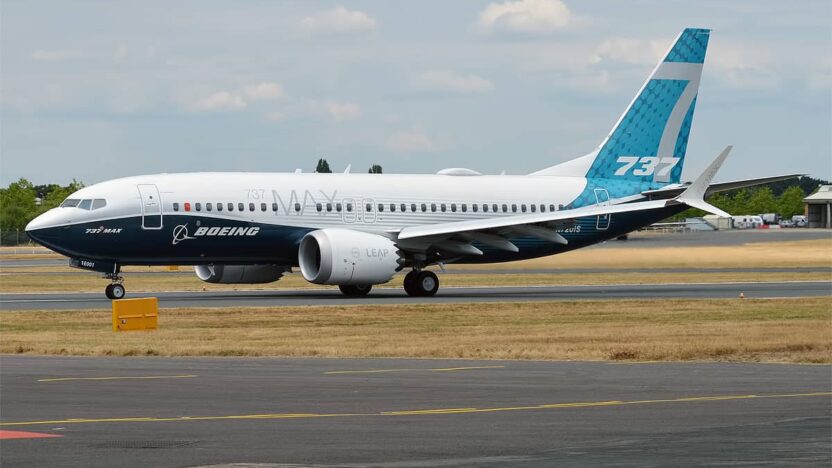
Just when Boeing thought it was getting its act together on the 737 MAX, here comes another curveball. The aerospace giant is now dealing with damaged wiring on roughly 25 undelivered aircraft, forcing a temporary pause in deliveries and potentially delaying handovers airlines were counting on for March.
This isn’t catastrophic. Nobody’s grounding planes or sounding emergency alarms. But for a company desperately trying to prove it has conquered its quality control demons, finding scratched wires on jets that haven’t even left the factory feels like showing up to a job interview with coffee stains on your shirt.
A Machining Error Scratched Wires on 25 Jets
The problem traces back to a machining error at Boeing’s Renton, Washington facility. During production, something scratched the insulation on wiring bundles in about 25 jets sitting on the delivery line. Small scratches, Boeing emphasizes, not gaping wounds or severed cables.
Boeing discovered the issue during routine internal inspections and immediately hit pause on deliveries around March 5. Katie Ringgold, the 737 program’s vice president, addressed the situation at an industry conference in San Diego on March 10, telling attendees that Boeing had paused deliveries while working through the problem.
Her message to nervous customers? Days, not weeks. The repairs themselves aren’t complicated. Technicians need to inspect each affected aircraft, replace or repair the damaged wiring, and verify everything meets specifications.
The timing could’ve been better. Boeing had just posted its strongest February delivery performance in nearly a decade, handing over 43 MAX jets to customers. For a company that’s been crawling out of a deep hole of production problems and certification delays, that February number felt like validation that things were finally stabilizing.
Then March arrived, and deliveries screeched to a halt. Boeing managed to deliver exactly three MAX jets in the first few days of the month before the wiring issue surfaced. Since March 5, aviation tracking data shows zero handovers. That’s a jarring drop from 43 to effectively nothing.
Why This Matters More Than Boeing Wants to Admit
 Photo by : Burak The Weekender / Pexels
Let’s talk about what Boeing is trying to downplay: this happened at their facility, not at some supplier’s plant halfway across the country. The wiring damage occurred during Boeing’s own manufacturing process. That’s different from getting a bad part from a vendor. This is homegrown quality control failure, and investors noticed immediately.
Boeing’s stock dropped 3% when the news broke, dragging down the Dow Jones Industrial Average with it. The market reaction wasn’t about the technical severity of scratched wires. Wall Street cares about patterns, and this pattern doesn’t inspire confidence.
Think about Boeing’s recent history. The 737 MAX spent nearly two years grounded after two fatal crashes. When it finally returned to service, production quality issues kept popping up. Mis-drilled holes. Improperly installed parts. Supply chain delays. Every time Boeing seemed to turn a corner, another problem emerged.
This wiring issue is minor compared to those previous crises. Nobody’s questioning whether the MAX is safe to fly. All the planes already in airline service can keep operating without additional inspections or restrictions. The Federal Aviation Administration isn’t issuing emergency directives or threatening production shutdowns.
But perception matters, especially when you’re trying to convince airlines, regulators, and the flying public that you’ve fundamentally changed how you build airplanes. Every new issue, no matter how small, chips away at that credibility.
Airlines Are Feeling the Pain of Another Delay
Southwest Airlines, the world’s largest 737 MAX operator, has already been “recalibrating” its fleet planning because Boeing hasn’t delivered planes as quickly as promised. Now they’re dealing with another disruption.
Airlines across the globe have built growth plans around getting new MAX jets. These planes are more fuel-efficient than older models, directly impacting operating costs. When deliveries get delayed, airlines either extend leases on older aircraft (expensive) or reduce planned capacity expansion (lost revenue).
Air Lease Corporation, one of the world’s largest aircraft leasing companies, learned about the wiring issue weeks before Boeing made it public. CEO John Plueger characterized it as “short-lived, probably a 2026 problem,” but that’s cold comfort for airlines expecting planes in March that might not arrive until later.
The global aerospace supply chain operates on razor-thin margins and tightly coordinated schedules. When Boeing pauses deliveries for even a few weeks, the effects cascade. Training programs get delayed. Route launches get postponed. Aircraft interiors ordered from suppliers sit in warehouses waiting for planes that aren’t ready. It’s expensive chaos, even if Boeing eventually makes good on deliveries later in the year.
Boeing Insists the Full Year Target Remains Intact
 Photo by : Soumya Ranjan / Pexels
To Boeing’s credit, the company hasn’t tried to hide the problem. They informed the FAA immediately, notified customers, and publicly acknowledged the delivery delays.
 Photo by : David Syphers / Unsplash
How United Airlines Is Preparing for $175 Oil While Adding 120 New Planes
Boeing maintains this won’t affect its full-year delivery target of approximately 500 MAX aircraft in 2026. The math works, theoretically. If repairs take several days per aircraft and there are 25 jets affected, that’s maybe a month or two of disrupted deliveries, not a year-long catastrophe. Boeing is still building planes at about 42 per month. Production hasn’t stopped, just handovers.
This strategy makes sense if the problem is truly limited to 25 aircraft. The concern is whether that number holds. What if more damaged wiring turns up during inspections? That’s the nightmare scenario, not because scratched wiring is inherently dangerous, but because it would indicate Boeing’s quality control processes missed the problem on more aircraft than initially thought.
Perhaps the Real Story Is How Well Boeing Caught This Problem
Here’s an unpopular take: every manufacturing operation has defects. Aircraft production is insanely complex, involving millions of parts assembled by thousands of workers. Expecting zero quality issues across hundreds of planes is unrealistic.
Boeing found the problem during internal inspections before any affected aircraft entered service. The system worked. Quality control caught the error, Boeing stopped deliveries, and technicians are fixing it. This is exactly what’s supposed to happen when you build something as complicated as a commercial airliner.
Compare this to some of Boeing’s previous issues. The 787 Dreamliner had manufacturing problems that required entire sections of fuselage to be torn apart and rebuilt. The MAX certification process revealed fundamental design flaws that took years to address. Scratched wiring that can be repaired in days is hardly in the same category.
Aircraft manufacturers deal with production snags constantly. Airbus, Boeing’s European rival, is currently grappling with engine shortages and defective aluminum panels affecting hundreds of A320neo aircraft. Manufacturing at scale is messy. The question isn’t whether problems occur, but how quickly and effectively companies address them.
From that perspective, Boeing’s response looks pretty good. Transparent disclosure, immediate action, realistic timeline, continued production. If they deliver the fixes in days as promised and get deliveries flowing again by late March or early April, this becomes a footnote in 2026 rather than a defining crisis.
Investors and Airlines Will Be Watching Every Move
 Photo by : Steve Pancrate / Pexels
Boeing’s Chief Financial Officer Jay Malave is scheduled to address investors at a Bank of America conference on March 17. Expect detailed questions about the wiring issue’s financial impact and whether this changes Boeing’s cash flow projections for the quarter.
Airlines will be watching delivery schedules obsessively. The MAX program has a massive backlog of over 6,100 orders. That’s years of guaranteed work, but only if Boeing can actually build and deliver planes without constant disruptions.
Regulators at the FAA will be monitoring the rework process closely. Boeing operates under a consent decree that gives the FAA enhanced oversight of quality control. Finding damaged wiring on 25 planes won’t trigger new enforcement actions by itself, but it adds to the FAA’s overall assessment of Boeing’s manufacturing maturity.
This Is Really About Rebuilding Trust
This wiring issue is ultimately about trust. Boeing has spent years trying to rebuild confidence after the MAX grounding, certification delays, and various quality problems. Every setback, no matter how minor, makes that rebuilding process harder.
Airlines need to trust that planes will arrive on schedule. Regulators need to trust that Boeing’s quality systems catch problems before they become safety issues. Investors need to trust that production improvements are real and sustainable. Passengers need to trust that Boeing aircraft are safe.
Small scratches on wiring bundles don’t threaten any of those things directly. But they do raise questions about whether Boeing has truly fixed its underlying quality culture or whether we’re just seeing the latest symptom of persistent problems.
The next few weeks will tell us a lot. If Boeing delivers on its promise to resolve this quickly, if no additional damaged aircraft are discovered, if deliveries resume at a healthy pace by April, then this becomes a temporary blip. The company stays on track toward its 500-delivery target, airlines get their planes (albeit late), and everyone moves on.
But if the problem expands, if repairs take longer than expected, if more quality issues surface, then this wiring damage becomes something bigger. It becomes evidence that Boeing still hasn’t solved its fundamental manufacturing challenges.
For now, 25 undelivered MAX jets sit in Renton with technicians carefully replacing scratched wiring. Airlines wait impatiently. Investors watch nervously. And Boeing hopes that days, not weeks, turns out to be accurate.
Because in aerospace manufacturing, credibility is harder to repair than wiring.
Related Aviation News

AerCap Just Placed the Biggest Airbus Order in Its History and Airlines Should Pay Attention
AerCap orders 100 A320neo aircraft from Airbus in record deal: 23 A320neo, 77 A321neo. World's largest lessor bets…
 Photo by : Wikimedia Commons
Three Aviation Incidents in One Week Exposed How Fragile Modern Air Travel Really Is
JetBlue's groundstop, American Airlines weather delays, and a damaged CRJ700 radome at Reagan National highlighted aviation's fragile state…
 Photo by : Isaac Struna / Unsplash
Delta Boosts Airbus Fleet With 97 A321neos as Regional Lessor Enters Aviation
Delta expanded A321neo orders to 97 aircraft and added 31 widebodies while TrueNoord entered its first Airbus deal…