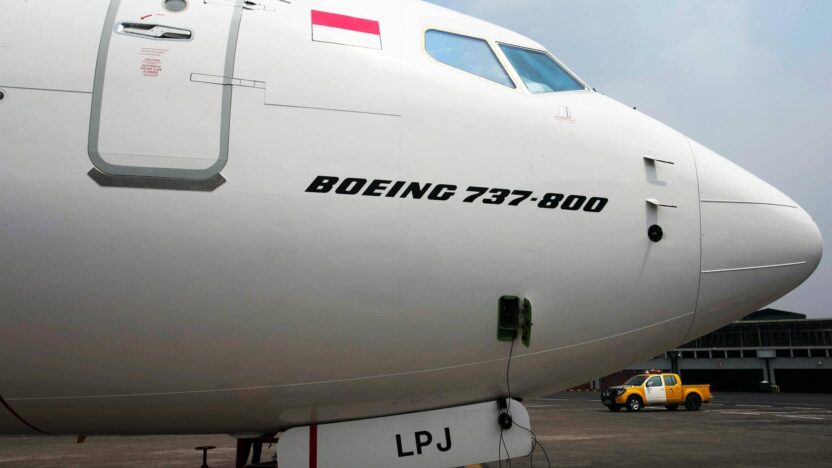
Picture this: you’re a pilot at cruising altitude, and the cockpit starts getting hot. Not uncomfortable-conference-room hot. Dangerously, uncontrollably hot. The air conditioning system has malfunctioned, and the standard procedures in your manual don’t fix it. That scenario played out twice on Boeing 737 MAX jets recently, and on February 24, the Federal Aviation Administration responded by issuing an immediately effective airworthiness directive covering every 737 MAX in the United States.
The directive affects 771 US-registered Boeing 737 MAX 8, MAX 9, and MAX 8-200 aircraft. Globally, the number is 2,119 jets. Airlines have 30 days to update their aircraft flight manuals with new emergency procedures. No aircraft are grounded. But the FAA made clear it wasn’t willing to wait for the normal rulemaking process on this one.
What Actually Happened
The FAA issued the directive after two in-flight incidents where flight crews experienced excessive temperatures in both the cockpit and passenger cabin that could not be controlled using existing procedures. One of the incidents involved Southwest Airlines, the largest operator of the 737 MAX family.
Investigators traced the problem to a circuit breaker designated CB3062, located within the aircraft’s standby power control unit. This component is part of the 737 MAX’s environmental control system, which handles air conditioning, cabin pressurization, and temperature regulation. When CB3062 trips, it generates an unintended electrical ground signal that commands two valves, the ram air deflector doors, to close. These doors normally funnel outside cooling air to the heat exchangers in the air conditioning system. When they shut, hot bleed air from the engines enters the cabin and cockpit without being adequately cooled.
The FAA’s language in the Federal Register was blunt: the malfunction “could cause an uncontrollable, excessively high temperature” that “could lead to injury or incapacitation of flight crew and passengers.”
Boeing identified the root cause as a ground wire fault in the air conditioning system and confirmed that previous-generation 737s are not affected. This is a MAX-specific problem.
What the Directive Requires
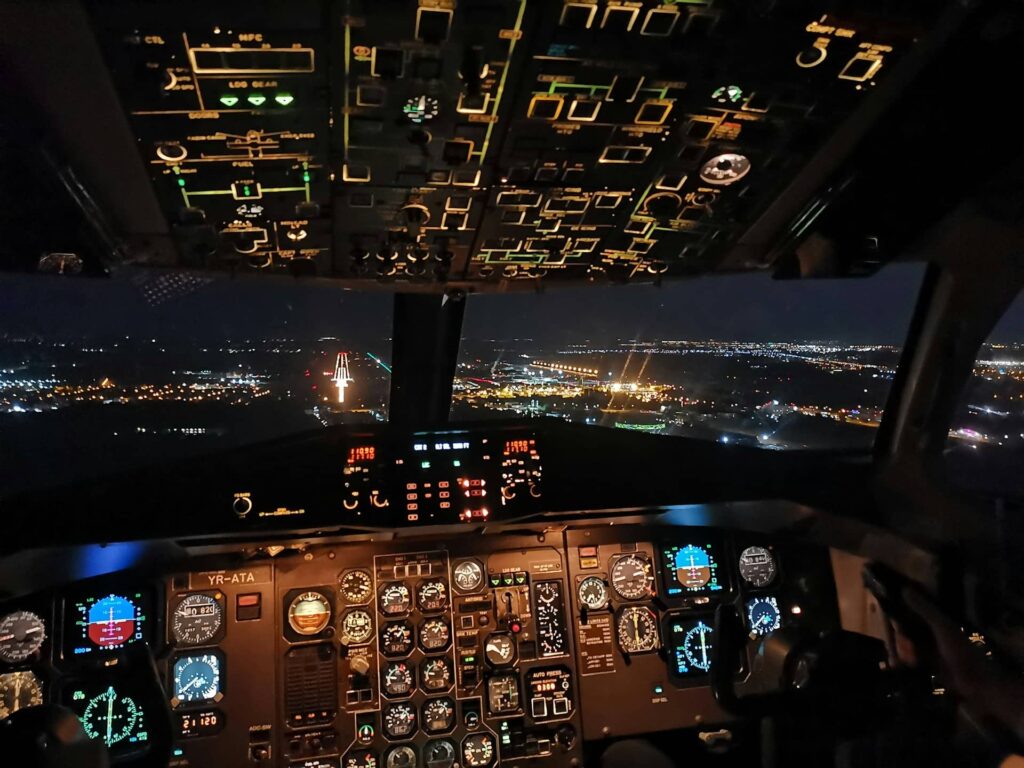 Photo by : Dragoș Grigore / Unsplash
The airworthiness directive is an interim measure, not a permanent fix. It requires airlines to revise their airplane flight manuals within 30 days to include new non-normal checklist procedures that give pilots a step-by-step response protocol if CB3062 trips during flight.
The new procedures work in stages. First, if the breaker trips, pilots must initiate a controlled descent toward the nearest suitable airport. Second, the crew may attempt a single reset of the circuit breaker, which is located behind the right seat in the cockpit. If the reset fails or the breaker trips again immediately, pilots must stop the engine bleed air supply to prevent further heat buildup.
Additional mitigation steps include reducing cabin lighting, turning off in-flight entertainment systems, opening the cockpit door to improve airflow, and descending to the lowest safe altitude (around 10,000 feet) to help reduce heat load. Airlines are also instructing crews that they may use drag devices to increase descent rate if necessary.
The FAA bypassed its normal notice-and-comment rulemaking process to make the directive effective immediately, though it is accepting public comments through April 10. The agency stated that “the risk to the flying public justifies forgoing notice and comment prior to adoption of this rule.” The FAA doesn’t skip its own procedural steps casually. That language signals genuine urgency.
Boeing’s Response and the Permanent Fix
Boeing says it supports the directive, noting that it formalizes guidance the company had already distributed to operators in January 2026. The manufacturer stated it is working on an engineering solution to permanently eliminate the electrical fault.
That fix will be incorporated into the existing MAX 8 and MAX 9 fleet. Crucially, Boeing also said the fix will be ready for the still-uncertified MAX 7 and MAX 10 variants before those aircraft receive FAA certification, and that it does not expect this issue to delay the MAX 7 and MAX 10 certification timelines.
That last point matters enormously. The MAX 7 and MAX 10 have been stuck in certification limbo for years, delayed primarily by a separate issue involving the engine anti-ice system on the LEAP-1B engines. Southwest Airlines, the largest MAX 7 customer, expects certification by late 2026 with first deliveries in early 2027. Ryanair, holding hundreds of MAX 10 orders, expects its first aircraft in spring 2027. Any additional delays from a new issue would cascade through the fleet plans of major carriers worldwide.
The FAA has also noted that its broader review identified two additional downstream circuit breakers within the environmental control system that could trip under similar conditions. The agency is evaluating whether further regulatory action is needed.
 Photo by : David Syphers / Unsplash
How United Airlines Is Preparing for $175 Oil While Adding 120 New Planes
The Bigger Picture: Boeing’s Ongoing Regulatory Tightrope
 Photo by : Tienko Dima / Unsplash
This airworthiness directive lands in the middle of what has been, paradoxically, one of Boeing’s strongest operational stretches in years. The company delivered 46 aircraft in January 2026, including 38 MAX jets, its third-strongest January on record. Production is ramping toward a target of 50-plus aircraft per month by year-end. As of January 2026, Boeing has delivered 2,157 MAX aircraft and holds nearly 4,900 unfilled orders.
But the 737 MAX program cannot escape its history. The two fatal crashes of Lion Air Flight 610 in October 2018 and Ethiopian Airlines Flight 302 in March 2019 killed 346 people and led to a worldwide grounding that lasted nearly two years. The MCAS software issue at the center of those disasters permanently changed how regulators, airlines, and the public view Boeing’s safety culture.
Then in January 2024, a door plug blew out of an Alaska Airlines 737 MAX 9 mid-flight. The incident triggered another round of intense FAA scrutiny, temporarily grounded the MAX 9 fleet, and led to the revocation of Boeing’s delegated certification authority. The FAA only partially restored that authority recently after approximately 18 months of intensified inspections.
Every new airworthiness directive gets processed through the lens of that history. The overheating problem is not remotely comparable to the MCAS disasters. It’s an electrical fault with a procedural fix and a permanent engineering solution in development. But it adds another line to a list that keeps Boeing’s 737 program under the most sustained regulatory microscope in commercial aviation history.
The Counterargument: Is This Being Overcovered?
There’s a reasonable case to be made that this directive represents the safety system working exactly as designed. Two incidents occurred. Nobody was injured. The root cause was identified quickly. Boeing had already issued voluntary guidance. The FAA formalized that guidance into a mandatory directive. A permanent fix is coming.
That is aviation safety doing its job. Airworthiness directives are not rare. The FAA issues hundreds annually across all aircraft types. Most never make headlines. This one does because it involves the words “Boeing 737 MAX,” which have become a kind of permanent alarm trigger in aviation reporting.
The distinction between a systemic design failure (like MCAS) and a component-level electrical fault (like a ground wire) matters. The overheating issue doesn’t suggest a fundamental flaw in the MAX’s architecture. It points to a specific wiring defect that can be identified and corrected. Conflating the two doesn’t serve passengers, airlines, or the industry.
That said, Boeing doesn’t get to decide the terms of its own scrutiny. The company forfeited that privilege when it delivered aircraft with a flight control system that could push the nose down based on a single sensor input and didn’t tell pilots about it. The elevated attention is earned, and it will persist for years.
What Passengers Should Know
 Photo by : Ugi K./ Unsplash
If you’re flying on a 737 MAX in the coming weeks, there’s nothing you need to do differently. The aircraft continue to fly. The FAA explicitly stated the directive does not ground any jets or require immediate physical modifications. The changes are procedural, ensuring flight crews know how to respond if the specific fault occurs.
Southwest Airlines confirmed it has already notified its flight crews about the required response procedures and is maintaining close contact with the FAA and Boeing. Other major MAX operators, including United Airlines and American Airlines, are similarly updating their manuals within the compliance window. Both known incidents ended with safe landings, and the new checklist procedures formalize the response that made those outcomes possible.
Where This Goes From Here
Airlines update their manuals. Pilots train on the new procedures. Boeing finalizes the engineering modification. The FAA evaluates whether the two additional circuit breakers identified in its review require their own regulatory response.
The larger trajectory is more complex. Boeing is simultaneously trying to certify the MAX 7 and MAX 10, ramp production to record levels, integrate its acquisition of Spirit AeroSystems, and rebuild trust with regulators and the flying public. Each new directive, however routine in a technical sense, tests that trust.
As of today, 2,119 Boeing 737 MAX aircraft worldwide are flying with a known electrical fault that can make their cabins dangerously hot. The fault has a procedural fix, a root cause, and an engineering solution on the way. By any historical standard in aviation, that’s a problem being managed, not a crisis unfolding. But for Boeing, the distance between those two categories has never felt thinner.
Related Aviation News
AerCap Just Placed the Biggest Airbus Order in Its History and Airlines Should Pay Attention
AerCap orders 100 A320neo aircraft from Airbus in record deal: 23 A320neo, 77 A321neo. World's largest lessor bets…
 Photo by : Airbornedaily.com
Sikorsky and GE Aerospace Are Betting Billions on Aviation Technology That Could Change How We Fly
Sikorsky advances hybrid-electric tiltwings and unmanned U-Hawk variants targeting 2026 flights while GE Aerospace invests $1 billion in…
 Photo by : Filip Chudoba / Unsplash
Chicago O’Hare Turns Into a Snow Globe From Hell as 790 Flights Get Canceled
Chicago O'Hare storms cause 790 cancellations and 830 delays. Severe snowstorms and high winds strand thousands at ORD.…
 Photo by : Wikimedia Commons
Airbus vs Boeing Narrow-Body Battle: Why the A321neo Is Winning Orders
The Airbus A321neo dominates narrow-body aircraft orders with over 7,300 commitments, beating Boeing's 737 MAX through superior capacity…
 Photo by : Wikimedia Commons
Why Boeing’s 777X Is One of the Most Delayed Aircraft Programs in Aviation
Boeing's 777X faces 7-year delays to 2027 after technical failures, certification hurdles, and $15B in charges since 2013…
Airbus vs Boeing: Who Is Winning the Aircraft Orders Race in 2026?
Boeing beat Airbus on 2025 orders for first time in 7 years with 1,173 vs 889. Early 2026…