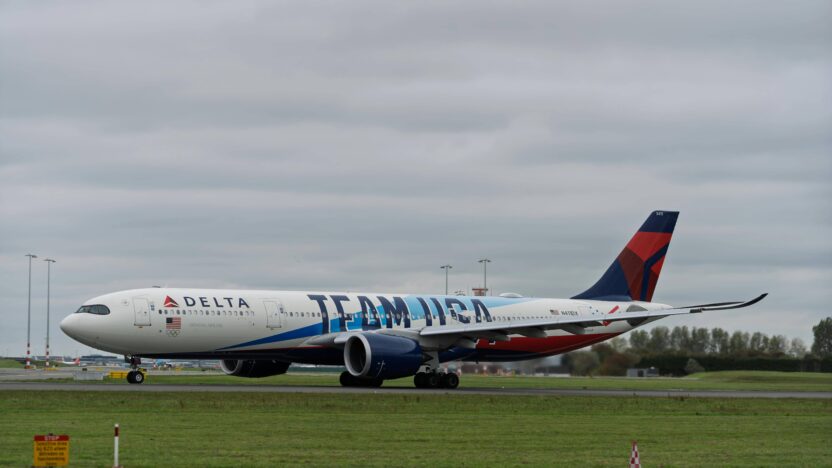
Delta Air Lines cannot stop buying the Airbus A321neo. On February 27, the Atlanta-based carrier exercised options for 34 more of the narrowbody jets, pushing its total commitment for the type to 189 aircraft. That makes the A321neo the single largest fleet type in Delta’s history. Not the 767 that carried its international ambitions for decades. Not the workhorse 737. The A321neo.
This is the airline’s third aircraft order announcement in just two months. Three orders. Two months. And we’re barely into March. If that pace sounds aggressive, that’s because it is, and there’s a calculated strategy behind every signature on every contract.
What Delta Actually Ordered
The specifics matter here. Delta already flies 92 A321neos, having taken its first delivery back in 2022. With this latest option exercise, the airline now holds 97 additional firm orders for the type. Deliveries from this batch start in 2029. Delta also retains options for 36 more A321neos beyond that, giving it room to grow the fleet further if demand warrants.
All of these jets will be powered by Pratt & Whitney GTF (Geared Turbofan) engines, which Delta chose when it placed the original 100-unit order in December 2017. That initial deal also included options for another 100 aircraft. In April 2021, Delta firmed up 25 more. Four months later, another 30. The pattern is clear: Delta keeps coming back to convert options into hard commitments, steadily ratcheting up its A321neo pipeline.
Kristen Bojko, Delta’s Vice President of Fleet, framed the decision in operational terms, noting that the aircraft delivers industry-leading efficiency alongside the premium experience passengers expect. That’s corporate language, but the underlying economics back it up. Delta says the A321neo has the lowest unit cost per seat of any narrowbody in its fleet, and runs 20 to 30 percent more fuel efficient than the older-generation aircraft it replaces.
The Premium Cabin Play
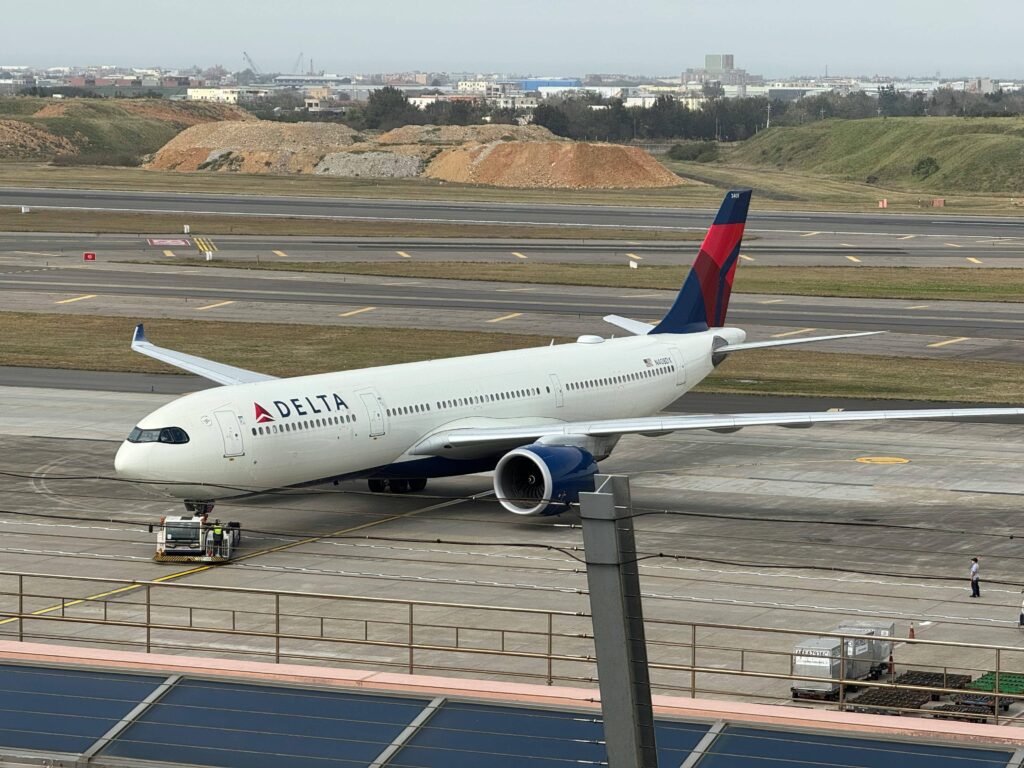 Photo by : Kevin Yang / Pexels
This is where the story gets interesting for anyone who actually sits in these planes. Delta isn’t just buying A321neos for fuel savings. It’s buying them because they carry more premium seats than any other single-aisle aircraft the airline operates.
The highest-density A321neo configuration Delta flies has just 164 total seats. That number sounds modest until you look at the split: 44 in Delta First, 54 in Delta Comfort+, and only 66 in the main cabin. Do the math. Premium seating accounts for roughly 60 percent of the aircraft. On a narrowbody. That’s a remarkable ratio, and it tells you everything about where Delta sees its future revenue coming from.
The airline has been explicit about this. Most of its planned seat capacity growth will come from premium cabins rather than the main cabin. The A321neo is the workhorse that makes that strategy physically possible on domestic and short-haul international routes. You can’t sell more first-class and extra-legroom seats if the aircraft doesn’t have them. Delta’s A321neo does.
Internal data apparently shows the type earning the highest cabin satisfaction scores across Delta’s entire narrowbody lineup. That’s a meaningful data point when you’re deciding whether to convert options worth billions of dollars into firm commitments.
Three Orders in Two Months: The Bigger Picture
To fully appreciate the A321neo exercise, you need to zoom out and see what else Delta has signed this year. The spending spree is striking.
In early January, Delta placed its first-ever order for Boeing 787 Dreamliners: 30 firm 787-10s plus 30 options, targeted at replacing the airline’s ageing 767 fleet. Deliveries start in 2031. That order alone signalled a major strategic shift, since Delta had never previously operated 787s despite the type being a decade into service at competitors like United.
Later that same month, Delta went back to Airbus for 31 additional widebody jets: 16 A330-900s and 15 A350-900s. Those deliveries begin in 2029. With the deal, Delta’s A330neo fleet will grow to 55 aircraft and its A350 fleet will reach 79, including 20 A350-1000s expected from 2027.
Add the A321neo exercise on top, and Delta now has 232 narrowbody and 85 widebody aircraft on order. The airline’s total fleet currently sits at around 987 mainline jets. These orders represent a generational overhaul, not a tweak.
Ed Bastian, Delta’s CEO, tied the widebody orders to international expansion into Asia, Africa, the Middle East, and the South Pacific. The A321neo order serves the domestic and short-haul side of the same coin. Together, they form a coherent fleet strategy: efficient, premium-heavy, and built for the next decade.
 Photo by : David Syphers / Unsplash
How United Airlines Is Preparing for $175 Oil While Adding 120 New Planes
Why the A321neo Keeps Winning Orders
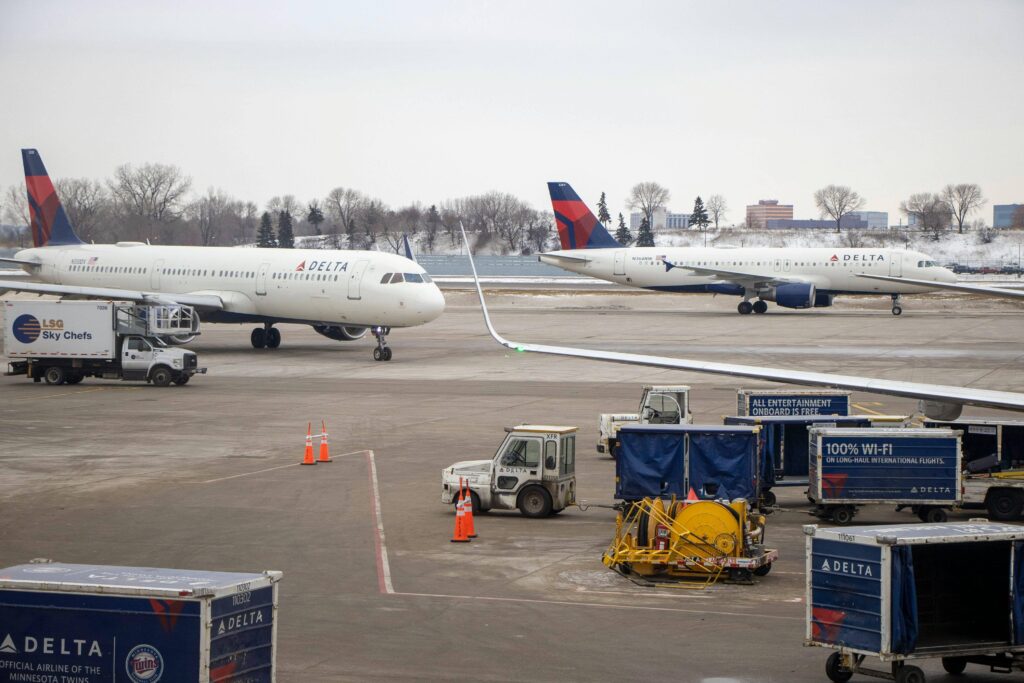 Photo by : Chris Flaten / Pexels
The A321neo’s dominance in the narrowbody market is not unique to Delta. As of mid-2025, Airbus had logged over 7,000 orders for the type from nearly 90 customers worldwide. All three major US carriers have the A321neo in their fleets or on order.
The aircraft occupies what the industry calls the “middle of the market” segment, with enough range (up to 4,000 nautical miles) to handle transcontinental routes and even some shorter international hops. For Delta specifically, the A321neo is doing what the Boeing 757 used to do, except with significantly better economics.
Delta once operated as many as 127 Boeing 757s. That fleet is shrinking, and the A321neo is absorbing much of its mission profile. The 757 was a beloved aircraft among pilots and passengers, but Boeing stopped producing it in 2004 and the economics of a 20-plus-year-old narrowbody simply don’t compete with a new-generation jet burning 20 to 30 percent less fuel.
The Pratt & Whitney GTF engines also deliver notable noise reductions, which matters both for airport communities and for Delta’s sustainability targets. The airline has corporate commitments to reduce emissions, and swapping old narrowbodies for A321neos is one of the most tangible levers it can pull.
The Counterargument: Is Delta Moving Too Fast?
Not everyone is cheering. Three major aircraft orders in eight weeks raises legitimate questions about execution risk. Airbus is already struggling to meet delivery timelines across its order book, partly due to ongoing supply chain constraints and engine availability issues. Pratt & Whitney’s GTF engines, specifically, have been the subject of recalls and inspection mandates related to a powder metal contamination problem that has grounded aircraft across multiple airlines worldwide.
Delta’s 2029 delivery timeline for these latest A321neos builds in some buffer, but if Pratt & Whitney’s production challenges persist, those dates could slip. The airline presumably factored this into its decision. Still, locking in 189 aircraft powered by a single engine type from a manufacturer working through significant reliability issues is a calculated bet, not a risk-free one.
There’s also the question of fleet gap. Delta is retiring older narrowbodies faster than new ones arrive. Every delay in A321neo deliveries means the airline either flies older, less efficient jets longer than planned or faces potential capacity constraints during peak travel periods. The 36 remaining options provide some cushion, but the window between retirement and replacement is tight.
Aviation analyst commentary on forums like Airliners.net has also noted that Delta still lacks a direct replacement for the 150-to-180-seat segment. The A220-300 covers the smaller end, and the A321neo handles the larger end, but there’s a gap in between where the ageing A320ceos and 737-800s currently sit. An A220-500, if Airbus ever greenlights it, would be one answer. For now, that middle slice remains an open question in Delta’s fleet puzzle.
What the Airbus Mobile Factory Means for This Order
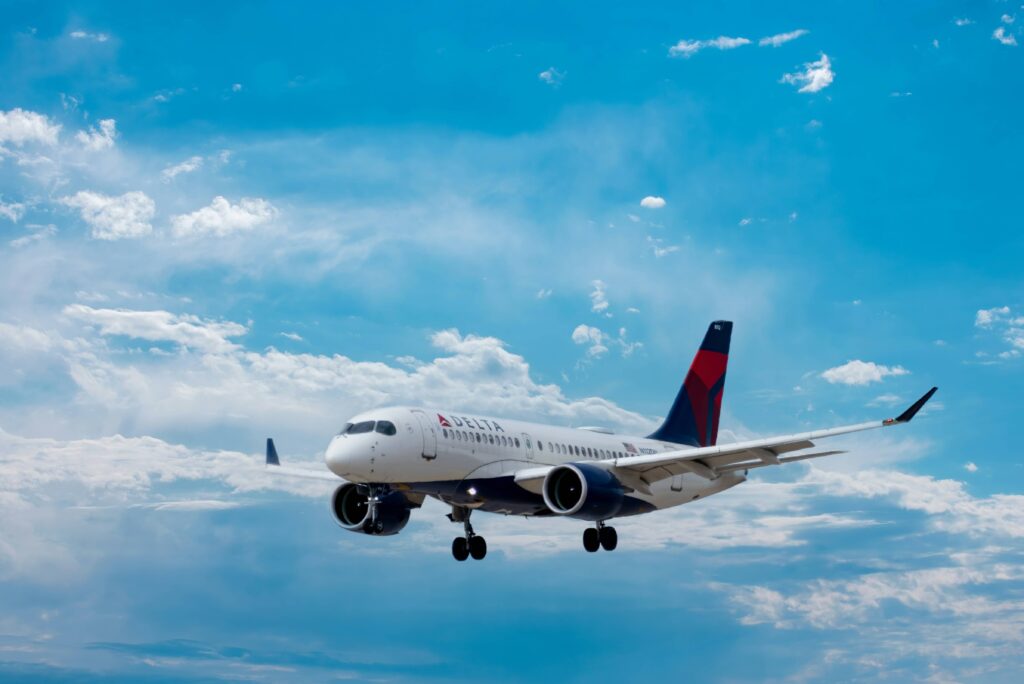 Photo by : Trac Vu / Unsplash
A detail that often gets overlooked: many of Delta’s A321neos are assembled at the Airbus manufacturing facility in Mobile, Alabama. This gives Airbus a political and economic footprint in the American South, which doesn’t hurt when a US airline is choosing between Airbus and Boeing for multi-billion-dollar orders. It also means a portion of Delta’s fleet is genuinely built in the United States, even if the company name on the fuselage is European.
The Mobile facility has been ramping production since it opened, and Delta has been one of its most consistent customers.
Reading Between the Order Lines
Delta’s fleet strategy under Ed Bastian has always leaned toward buying smart rather than buying first. The airline famously built much of its fleet from used aircraft and deep-discount deals, including the legendary A220 purchase at well below production cost. The A321neo orders follow a different playbook: premium aircraft at scale, locked in years ahead of delivery, with options providing flexibility to expand further.
The 189-aircraft commitment makes the A321neo not just a fleet type but a fleet identity for Delta’s domestic operations. It defines the passenger experience on the majority of routes most travellers will actually fly. Whether that identity is defined by 60 percent premium seating, Pratt & Whitney engine reliability, or simply the quiet hum of a new-generation narrowbody depends on which seat you’re looking at it from.
What’s undeniable is the scale of the bet. Delta has ordered or optioned more aircraft in the first two months of 2026 than many airlines order in an entire decade. The A321neo sits at the centre of that commitment, and it’s the aircraft most passengers will encounter on any given Tuesday between Atlanta and LaGuardia.
For a type that entered service at Delta less than four years ago, that’s a remarkable trajectory. And with 36 options still on the table, the story isn’t finished.
Related Aviation News
 Photo by : Isaac Struna / Unsplash
Delta Boosts Airbus Fleet With 97 A321neos as Regional Lessor Enters Aviation
Delta expanded A321neo orders to 97 aircraft and added 31 widebodies while TrueNoord entered its first Airbus deal…
AerCap Just Placed the Biggest Airbus Order in Its History and Airlines Should Pay Attention
AerCap orders 100 A320neo aircraft from Airbus in record deal: 23 A320neo, 77 A321neo. World's largest lessor bets…
 Photo by : Christian Lambert / Unsplash
Airlines Are Making More Money Than Ever and Your Wallet Is About to Feel It
U.S. airlines report record spring demand. United sees March fares up 15-20% YoY, revenue per seat rising 14%…
 Photo by : Wikimedia Commons
Airbus vs Boeing Narrow-Body Battle: Why the A321neo Is Winning Orders
The Airbus A321neo dominates narrow-body aircraft orders with over 7,300 commitments, beating Boeing's 737 MAX through superior capacity…
Airbus vs Boeing: Who Is Winning the Aircraft Orders Race in 2026?
Boeing beat Airbus on 2025 orders for first time in 7 years with 1,173 vs 889. Early 2026…
 Photo by : Troy Mortier / Unsplash
Airbus A380 May Never Return to Production, But Its Legacy Still Shapes Aviation
Airbus A380 production ended in 2021 after $25B investment. While 159 aircraft still fly, the superjumbo's return remains…