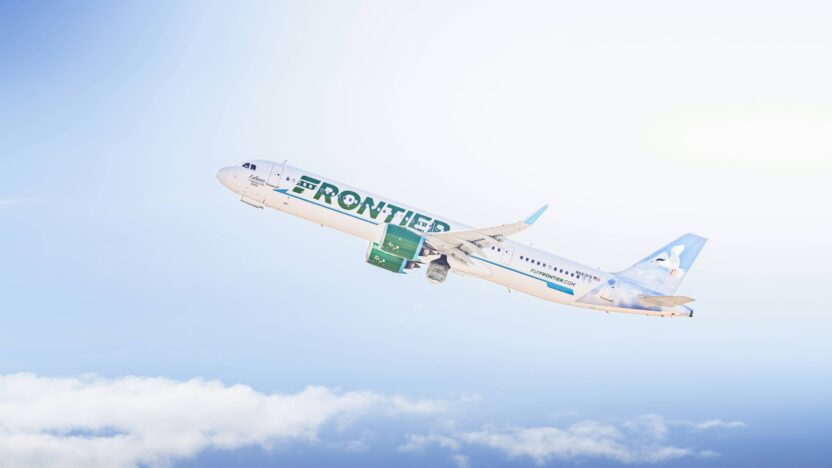
When Frontier Airlines launched flights from JFK in June 2024, the move looked ambitious. Less than two years later, the discount carrier is pulling the plug on nearly everything.
By mid-April 2026, Frontier will operate exactly one daily route from John F. Kennedy International Airport: a single flight to Atlanta. Gone are the connections to Puerto Rico, Chicago, Miami, Orlando, Las Vegas, Los Angeles, and several other cities. For a budget airline that promised to shake up the New York market, this retreat feels less like a strategic pivot and more like a full-blown evacuation.
The cuts are rolling out in phases. Service to San Juan, Puerto Rico ends March 5. Chicago O’Hare gets axed March 31. Miami and Orlando flights disappear April 13. Some routes, like Las Vegas and Los Angeles, already vanished in January without much fanfare. And while Frontier still flies from LaGuardia and Newark, the JFK pullback raises an uncomfortable question: Is this just the beginning?
Why Frontier Is Running Away From JFK
JFK isn’t cheap. For ultra-low-cost carriers like Frontier, the economics are brutal. Landing fees, gate costs, and passenger facility charges at JFK dwarf what the airline pays at smaller airports where it typically thrives.
Frontier built its business model around keeping costs razor-thin. The airline charges for carry-ons, drinks, and seat selection. It works at smaller airports where operating expenses are manageable. But JFK is like trying to run a dollar store in Manhattan. The rent alone kills you.
Frontier’s official explanation is predictably vague. A spokesperson told reporters the airline “periodically reviews and updates routes based on market demand, seasonality, costs associated with operating from a particular airport, and other factors.” Translation: JFK was bleeding money, and we’re cutting our losses.
The numbers back this up. On Frontier’s JFK-to-Los Angeles route (one of its longest), load factors plummeted from over 90% in summer to just 70.5% in October and 78.4% in November 2025. When you’re flying giant Airbus A321neos across the country and struggling to fill three-quarters of the seats, the math doesn’t work. Especially when your competitors include JetBlue, Delta, and American, all of which have deeper pockets and more pricing flexibility.
The Terminal 6 Problem Nobody Saw Coming
 Photo by : Jihua Shen/ Pexels
Frontier was supposed to move from Terminal 7 to the brand-new Terminal 6 this spring as part of JFK’s massive redevelopment project. The airline was listed as one of the planned partners. Now? That partnership looks shaky at best.
Terminal space at JFK is carefully allocated based on throughput, passenger volumes, and operational consistency. Airlines commit to using gates, paying fees, and bringing customers through the doors. A single daily departure to Atlanta doesn’t justify the gate space or investment.
Some industry watchers speculate that Frontier leased airport slots from American Airlines, and AA either wanted them back or Frontier found it more profitable to lease them out than actually fly. Slots at JFK are like gold, and if Frontier could make more money renting them than using them, that tells you everything about how unprofitable the operation was.
The construction and terminal shuffling probably didn’t help. JFK is in the middle of a years-long overhaul, and operating in that environment adds complexity and cost. But let’s be real: construction is an excuse, not the reason. If the routes were making money, Frontier would figure out the logistics.
What This Means for New York Travelers
If you’re a New Yorker who relied on Frontier’s cheap fares out of JFK, this hurts. The airline offered budget-friendly options to popular destinations, and now those are gone. Sure, Frontier still flies from LaGuardia and Newark, but those airports aren’t always convenient. Getting to Newark from Brooklyn is a journey.
The loss of competition matters. When Frontier entered the JFK market, it put pressure on other airlines to lower prices on overlapping routes. Now those routes have one fewer competitor, which usually means higher fares.
GoWild Pass holders are particularly frustrated. Frontier’s unlimited flight pass attracted customers specifically because of the JFK routes. Reddit threads are full of complaints from people who paid for the pass expecting access to those routes. One user wrote, “Their JFK flights were also a huge draw for GoWild Pass for me. I don’t know how useful it will be from here on out at all.”
Customers with tickets on canceled routes can request refunds through Frontier’s website.
The Bigger Picture: Budget Airlines and Big City Airports
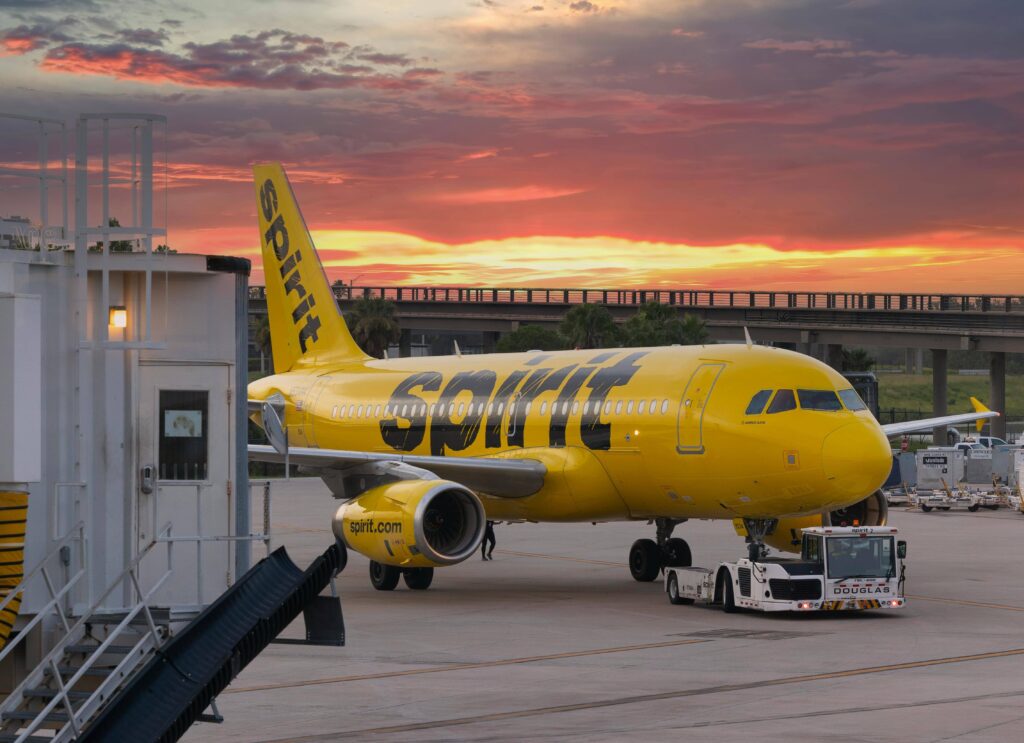 Photo by : John Mckenna / Pexels
Frontier’s JFK retreat fits a pattern. Ultra-low-cost carriers struggle at major, expensive airports. Spirit Airlines (Frontier’s closest competitor) filed for bankruptcy twice. Allegiant avoids big hubs altogether, focusing on smaller airports. The business model works beautifully in certain markets and crashes spectacularly in others.
 Photo by : David Syphers / Unsplash
How United Airlines Is Preparing for $175 Oil While Adding 120 New Planes
JFK presents unique challenges. It’s one of the world’s busiest airports, dominated by legacy carriers with established customer bases and corporate contracts. Breaking into that market requires either offering rock-bottom prices (which destroys margins) or competing on service and convenience (which isn’t Frontier’s strength). The airline tried the low-price strategy, and it didn’t stick.
Meanwhile, Frontier is doubling down on markets where it actually makes money. The airline recently announced 14 new routes in Florida, where it has strong brand recognition and lower operating costs. Florida is Frontier’s sweet spot: lots of leisure travelers, multiple mid-sized airports, and year-round demand. JFK is the opposite of all that.
This isn’t necessarily bad strategy. Knowing when to exit a losing market is smarter than burning money to maintain pride. But it does raise questions about whether Frontier can ever successfully compete in premium markets, or if the airline is forever destined to be a niche player in secondary cities.
The One Route That Survived
Why keep Atlanta? Because it’s Frontier’s busiest base and the world’s busiest airport. ATL offers connections to everywhere, high passenger volumes, and operational efficiency. A single daily flight lets Frontier maintain some JFK presence without hemorrhaging money on unprofitable routes.
It’s also a hedge. If market conditions change or if Frontier figures out a way to make JFK work, having one route gives them a foothold. Completely abandoning the airport would mean starting from scratch later, including reapplying for slots and gate space. This way, they keep a toe in the door.
But let’s not kid ourselves. One daily flight isn’t a presence; it’s a placeholder. The real question is whether even that will survive long-term, or if Frontier will eventually pull out of JFK completely.
A Counterpoint: Maybe This Makes Sense
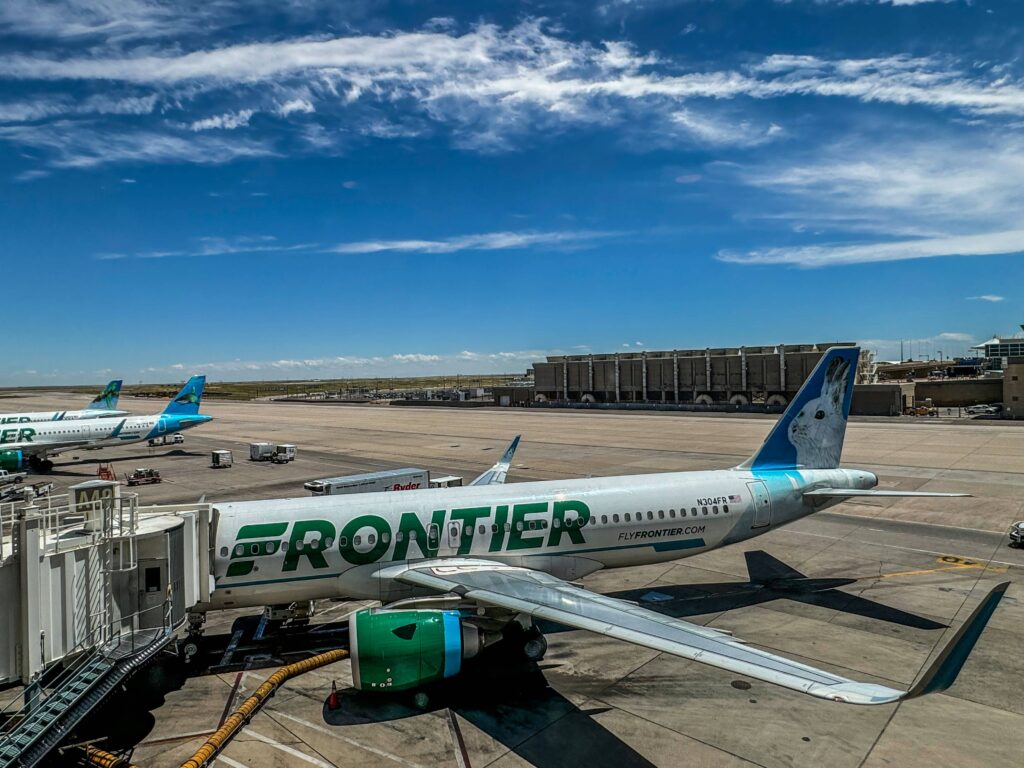 Photo by : Michael Evans / Unsplash
Before we completely bash Frontier’s decision, consider this: maybe they’re being smart. The airline launched JFK service during a post-pandemic travel boom when demand was high and everyone was flying. That bubble has deflated. Travel patterns normalized, competition intensified, and costs stayed elevated.
Frontier’s new CEO, James Dempsey, has been clear about focusing on profitability over expansion. In early 2026, executives outlined plans to cut unprofitable markets and refocus on routes with stronger yields. The JFK pullback aligns perfectly with that strategy.
You could argue that trying to compete head-to-head with Delta, JetBlue, American, and United at one of the most expensive airports in the country was foolish to begin with. Frontier’s strength lies in underserved markets, not slugging it out with legacy carriers in their home territory. Retreating to LaGuardia and Newark, where they maintain robust networks, might actually be the smartest move.
And here’s something travelers often overlook: just because a route exists doesn’t mean it’s good for the airline. If Frontier was losing money on every JFK flight, keeping those routes would eventually threaten the entire company. Better to cut losses and survive than maintain unprofitable service until bankruptcy becomes inevitable. Ask Spirit how that worked out.
What Happens Next
Frontier says it will continue evaluating routes based on demand and profitability. That’s corporate speak for “we’ll keep cutting if things don’t improve.” The airline’s LaGuardia departures are already down 20% year-over-year, while Newark is up 17%. That shift tells you where Frontier sees opportunity.
For New York travelers, the takeaway is simple: if you want budget airline options, you’re increasingly looking at LaGuardia, Newark, or regional airports like Westchester or Long Island MacArthur. JFK is becoming a legacy carrier and international hub fortress, and discount airlines can’t afford to play there.
The Terminal 6 situation remains unresolved. If Frontier officially pulls out of that commitment, it could complicate the entire development timeline. Terminal projects are financed based on projected passenger volumes and airline commitments. Lose a major tenant before the terminal even opens, and suddenly your financial projections look shaky.
But that’s JFK’s problem, not Frontier’s. The airline is moving on, focusing on markets where its business model actually works. New York gets to deal with fewer low-cost options and higher average fares. Welcome to the new normal.
For travelers who counted on cheap Frontier flights from JFK, it’s time to explore alternatives. Check those LaGuardia and Newark routes. Consider other budget carriers. Or accept that flying from New York’s premier airport might cost a bit more going forward. Because Frontier has made its decision, and it’s not coming back anytime soon.
Related Aviation News
Photo by : David Syphers / UnsplashHow United Airlines Is Preparing for $175 Oil While Adding 120 New Planes
United cuts 5% of flights as Iran conflict drives fuel costs higher. Planning for $175 oil while still…
 Photo by : Christian Lambert / Unsplash
Airlines Are Making More Money Than Ever and Your Wallet Is About to Feel It
U.S. airlines report record spring demand. United sees March fares up 15-20% YoY, revenue per seat rising 14%…
 Photo by : Filip Chudoba / Unsplash
Chicago O’Hare Turns Into a Snow Globe From Hell as 790 Flights Get Canceled
Chicago O'Hare storms cause 790 cancellations and 830 delays. Severe snowstorms and high winds strand thousands at ORD.…
 Photo by : Winston Tjia / Unsplash
Why Your Flight Keeps Getting Delayed While the FAA Spends Billions Fixing Air Traffic Control
FAA invests $12B in air traffic control overhaul as DOT rolls back passenger protections. Airport delays hit 248M…
 Photo by : Ryuno / Unsplash
San Francisco Airport Becomes a Parking Lot in the Sky as Peak Hour Chaos Strands Travelers
SFO congestion causes 67 delays and 3 cancellations today. Peak-hour bottlenecks hit United, Delta, American, Alaska. International connections…