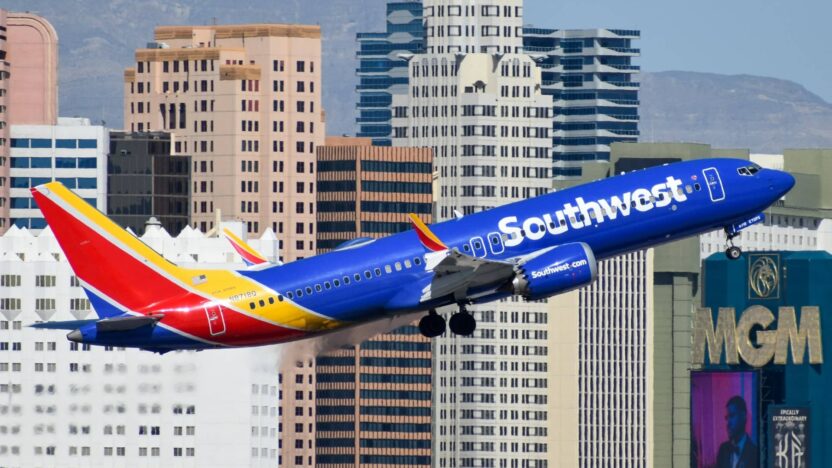
Five weeks in, and Southwest Airlines is learning something any parent of a toddler could have told them for free: just because you plan something carefully does not mean it will go smoothly once real people are involved. The airline’s historic shift to assigned seating, which launched on January 27, 2026, was supposed to bring order to a boarding process that critics had called chaotic for decades. Instead, it created a different kind of chaos, one involving overflowing overhead bins, separated families, frustrated flight attendants, and a growing chorus of loyal customers wondering what happened to the airline they used to love.
Southwest is now openly acknowledging the problems and rolling out fixes. But understanding how one of America’s most recognizable airlines stumbled through its biggest operational change offers lessons that extend far beyond luggage compartments.
What Actually Changed on January 27
For more than half a century, Southwest Airlines boarding process was famously different. There were no assigned seats. You checked in, got sorted into an A, B, or C group, and picked whatever open seat you wanted once you stepped on the plane. It was scrappy, egalitarian, and weirdly beloved.
All of that ended in late January. Southwest replaced open seating with a fully assigned system featuring eight numbered boarding groups, new fare tiers called Basic, Choice, Choice Preferred, and Choice Extra, and a premium Extra Legroom section at the front of the cabin. A-List Preferred members board in Group 1 or 2. Basic fare holders get whatever seat the system hands them at check-in. On paper, it looked like Southwest was simply catching up to what Delta, United, and American had been doing for years. In practice, the airline was about to discover that copying a system and operating a system are two very different things.
The Overhead Bin Disaster Nobody Saw Coming
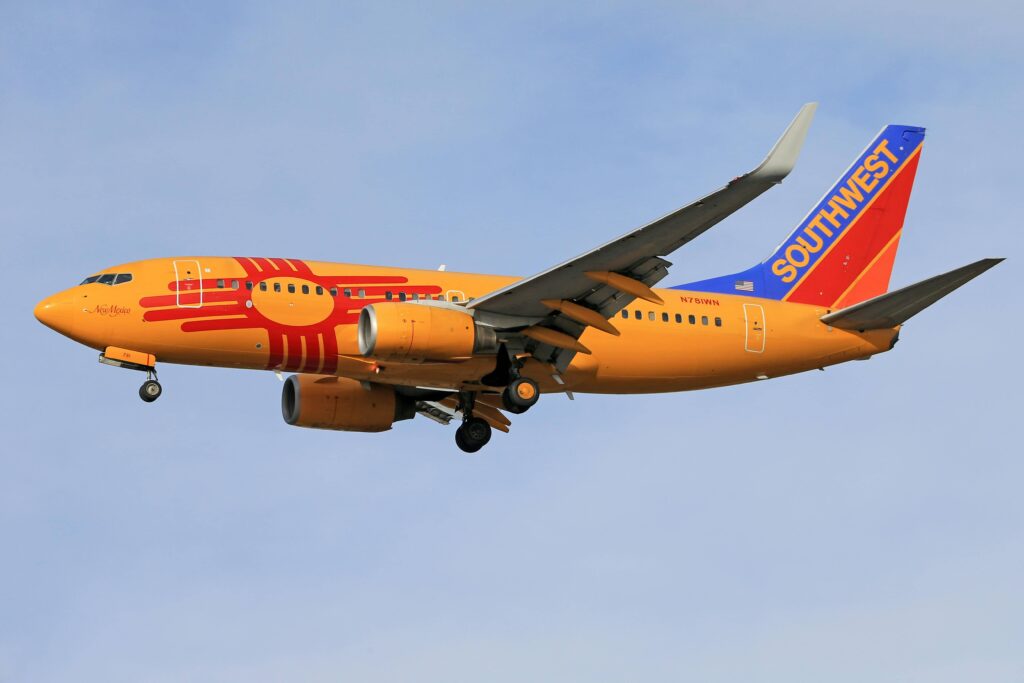 Photo by : Jeffry Surianto / Pexels
The single biggest complaint from passengers has been overhead bin space, and it is not even close. Under the old open seating model, passengers naturally spread their carry-on bags across the cabin because they could sit wherever they found space. If the bins above row 12 were full, you just sat in row 22 instead. The system was self-regulating in a way nobody appreciated until it was gone.
Assigned seating broke that feedback loop. Passengers with rear seats who board in early groups stash their bags in the forward bins. By the time passengers assigned to front-row seats board, the bins above their heads are packed. Those passengers then swim against boarding traffic to find an open bin further back, then return upstream to their seats. Aviation blogger Gary Leff of View From the Wing called it “far more chaotic than the other airlines.”
Making things worse, Southwest’s fleet was literally designed for a world where overhead bins did not need to be enormous. The airline’s signature “bags fly free” policy meant most passengers checked their luggage. Southwest 737s were intentionally built with smaller bins than competitors. But Southwest ended free checked bags in May 2025, introducing a $35 first-bag fee. Carry-on volumes surged, and when assigned seating arrived eight months later, the mismatch between passenger behavior and aircraft design became glaringly obvious.
Southwest initially tried fixing the problem by moving all Extra Legroom passengers into Group 1, thinking this would help distribute bags more efficiently. It backfired. Concentrating all early boarders at the front only accelerated how quickly those forward bins filled up.
Flight Attendants Are Not Happy Either
Passengers are not the only ones frustrated. Southwest’s flight attendant union, TWU Local 556, has been increasingly vocal about how the transition has affected crew working conditions.
The flashpoint involves a dedicated overhead bin near the front of the cabin traditionally reserved for flight attendant luggage. Unlike most carriers, Southwest planes lack separate crew closets, so attendants rely on a reserved bin to store their bags where they can monitor them. On newer aircraft, these bins even have locks.
To free up forward bin space for passengers, Southwest decided to relocate the crew bin to the back of the aircraft. The union pushed back hard, calling it a unilateral decision made without consultation. TWU Local 556 described the situation as the direct result of poor planning by upper management, with the burden being shifted onto flight attendants. The union proposed alternatives, including moving the bin only slightly further back to row 7 or 8, closing certain bins during boarding, and allowing crew to gate-check personal bags. Southwest rejected all three.
Then in early March, Southwest suggested that flight attendants begin the boarding process earlier than scheduled to ensure on-time departures. The union fired back, accusing management of being “out of touch” and warning that decisions were being made without respecting contractual protections.
Families Getting Separated Was Predictable
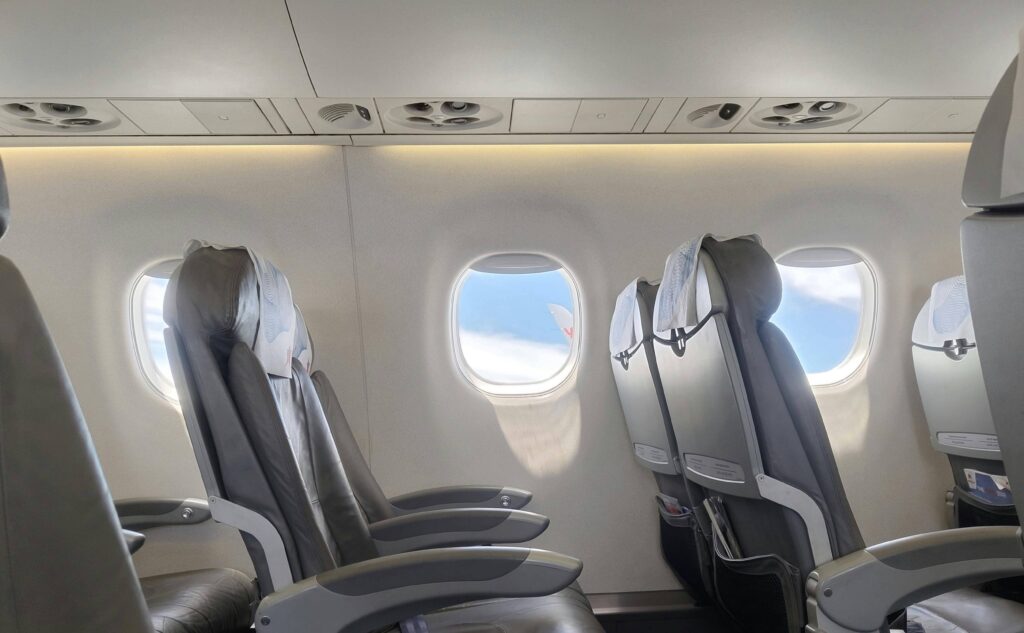 Photo by : Aayush Shah / Pexels
Perhaps the most emotionally charged complaint has come from families. Under open seating, parents with young children could sit together simply by boarding as a group and picking adjacent seats. Under assigned seating, families who book the cheapest Basic fare do not get to choose seats at all. The system auto-assigns at check-in, and it does not always place family members together. Southwest’s official policy says it will “work to seat children ages 12 and younger next to at least one adult,” but that language says “work to,” not “guarantee.”
 Photo by : David Syphers / Unsplash
How United Airlines Is Preparing for $175 Oil While Adding 120 New Planes
The result has been viral stories. One father posted on X that his two-year-old was assigned a different row from both parents despite indicating during booking that the family included children. A TikToker flying Kansas City to Orlando showed her seated in a different aisle from her kids. The DOT’s family seating dashboard confirms Southwest does not commit to fee-free guaranteed adjacent seating, putting it behind JetBlue, American, and Alaska, which do seat children under 13 next to an adult at no charge.
For an airline that built its brand on being family-friendly, the optics are rough.
The Counterargument: Wall Street Loves This
Here is where the story gets complicated. While passengers have been venting on Reddit and TikTok, investors have been throwing a party. On January 29, two days after assigned seating launched and one day after Southwest reported Q4 2025 earnings, the stock surged roughly 18.7%, its biggest single-day gain since 1978. Shares closed at $48.50, a four-year high.
Southwest guided 2026 adjusted earnings per share to at least $4.00, more than quadrupling the $0.93 it earned in 2025 and blowing past the $3.19 analysts expected. By mid-February, the stock had climbed 23% year-to-date, dramatically outpacing Delta at around 6%.
CEO Bob Jordan described the changes as transformational and noted that customer response had been “overwhelmingly positive,” a characterization that would surprise people scrolling through Southwest’s social media comments. The tension is real. The financial logic behind assigned seating, bag fees, and premium cabin products is sound, and Southwest had been under enormous pressure from activist investor Elliott Investment Management to modernize its revenue model. But short-term stock performance and long-term customer loyalty operate on different timelines. Profits from bag fees already failed to materialize as expected in 2025, with Southwest acknowledging that basic economy sales slumped right after checked bag charges went into effect.
What Southwest Is Doing to Fix Things
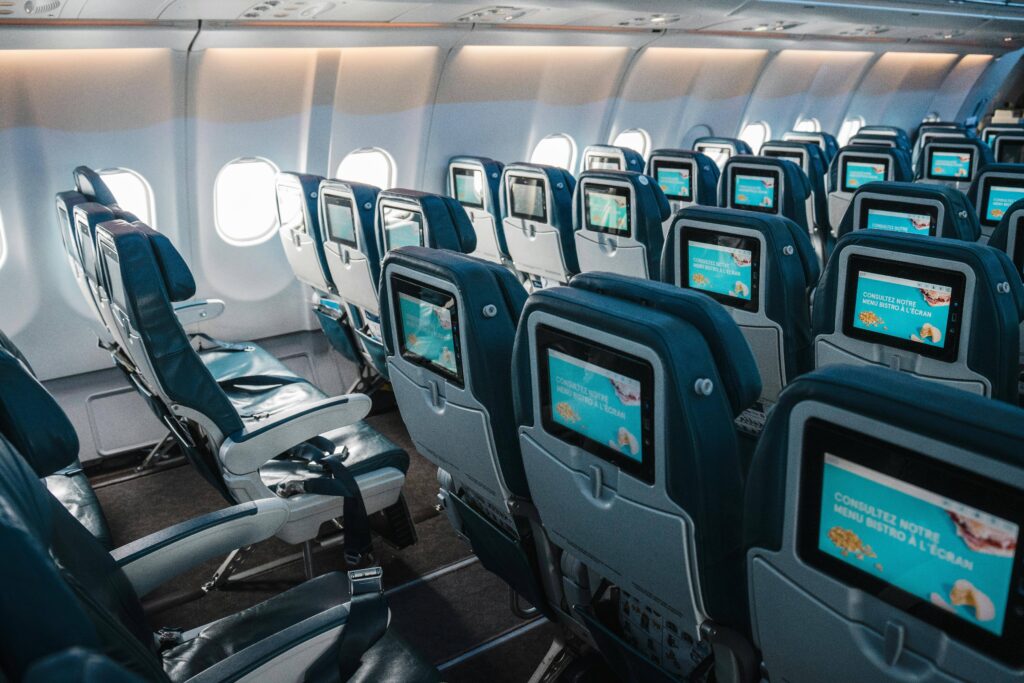 Photo by : Clément Proust / Pexels
To the airline’s credit, it has not pretended the problems do not exist. In late February, Chief Customer and Brand Officer Tony Roach sent a letter to customers acknowledging the turbulence and outlining several changes.
The most significant is a fleet-wide upgrade to larger overhead bins capable of holding roughly 50 percent more luggage, with most aircraft retrofitted by the end of 2026. The airline is also reserving certain bins exclusively for Extra Legroom customers and adding signage to designate that space.
Boarding group assignments are being restructured to better align boarding order with seat location, so bin space is more naturally distributed as passengers file on. On the crew side, Southwest has committed to installing locks on all crew-only overhead bins, including the relocated rear bins, which partially addresses the union’s security concerns even if the fundamental disagreement about bin placement remains.
What Travelers Should Know Right Now
If you are flying Southwest in the near term, the overhead bin situation will remain tight until the larger bins are installed fleet-wide, a process stretching through the rest of 2026. If bin access matters, booking a higher fare tier that guarantees earlier boarding is the most reliable option.
Families should not assume the system will seat everyone together automatically. If sitting adjacent to your children is non-negotiable, selecting seats at booking through a Choice fare or higher is the safest approach. The Basic fare gamble is not worth it when young kids are involved.
And if you are a Southwest loyalist who misses the old days, you are not alone. But the old Southwest is not coming back. The airline has bet that predictable seating, premium products, and ancillary revenue will more than compensate for whatever loyalty it loses from passengers who valued the scrappy original. Whether that bet pays off depends on how well Southwest executes the fixes it is now scrambling to implement.
The boarding problems, family separations, and crew disputes are not signs that assigned seating was the wrong decision. They are signs the transition launched before the operational details were fully baked. Every other major airline has worked through these growing pains already. Southwest is doing it all at once, in public, with 54 years of muscle memory working against it.
That is the real turbulence. And it is going to take more than a seatbelt sign to smooth it out.
Related Aviation News
 Photo by : Christian Lambert / Unsplash
Airlines Are Making More Money Than Ever and Your Wallet Is About to Feel It
U.S. airlines report record spring demand. United sees March fares up 15-20% YoY, revenue per seat rising 14%…
 Photo by : Wikimedia Commons
Three Aviation Incidents in One Week Exposed How Fragile Modern Air Travel Really Is
JetBlue's groundstop, American Airlines weather delays, and a damaged CRJ700 radome at Reagan National highlighted aviation's fragile state…
 Photo by : Filip Chudoba / Unsplash
Chicago O’Hare Turns Into a Snow Globe From Hell as 790 Flights Get Canceled
Chicago O'Hare storms cause 790 cancellations and 830 delays. Severe snowstorms and high winds strand thousands at ORD.…