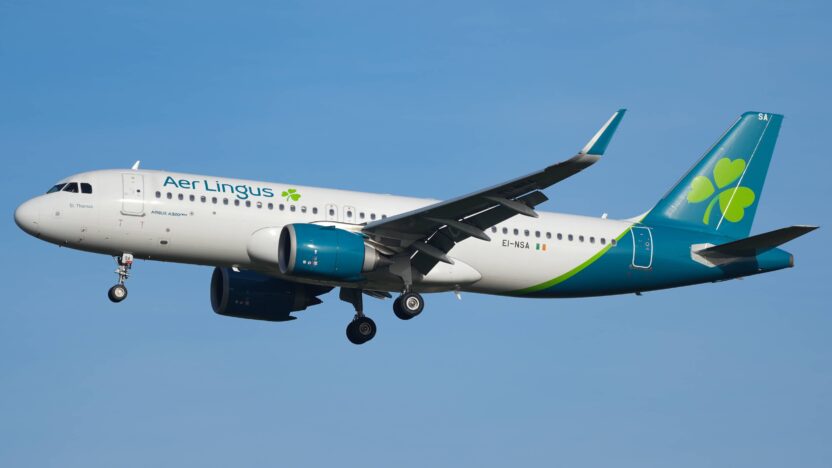
It lasted less than five years. What began as an ambitious bet on northern England’s appetite for transatlantic flying has ended with Aer Lingus pulling the plug on its Manchester long-haul base, effective March 31, 2026. The Irish flag carrier confirmed in late January that direct flights from Manchester to New York JFK, Orlando, and Barbados would cease, displacing roughly 200 cabin crew and leaving one of the UK’s busiest airports with a smaller long-haul footprint.
For travellers across the North of England who had grown fond of skipping the slog to Heathrow, the news stings. For aviation watchers, it’s a case study in what happens when ambition, economics, and workplace friction collide at 35,000 feet.
How We Got Here: The 2021 Launch and Its Promise
Rewind to 2021. The pandemic had reshuffled the aviation deck. Thomas Cook had collapsed two years earlier, leaving a gaping hole in Manchester’s leisure route network. Aer Lingus, sitting on spare Airbus A330 widebody capacity, saw an opening. The plan was straightforward: set up a UK subsidiary—Aer Lingus UK—with its own Air Operator Certificate, hire local cabin crew, and start flying sun-seekers and city-breakers directly across the Atlantic from a region that had long felt overlooked.
The Barbados route came first. Then New York JFK, initially using smaller A321LR narrowbodies. Orlando followed. For a while, things looked promising. Manchester Airport hailed the base as a flagship success, proof that the North didn’t have to rely on London for long-haul connectivity. The airport’s catchment area stretches from the Scottish borders to the Midlands—millions of potential travellers who’d rather drive 45 minutes to Ringway than navigate the M1 and the Heathrow Express.
But a promised Boston route never materialised. And behind the glossy timetables, the financial picture was less rosy than the marketing suggested.
The Numbers Never Quite Added Up
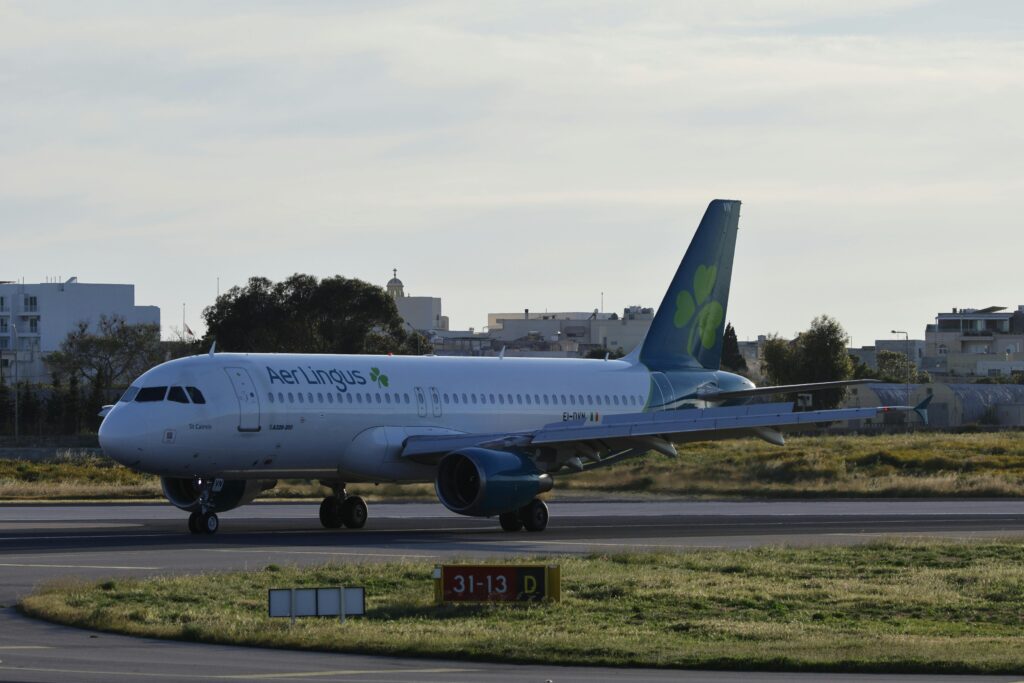 Photo by : Andrew Cutajar / Pexels
According to internal Aer Lingus communications that surfaced during the dispute, the operating margin from Manchester long-haul services lagged significantly behind comparable flights from Dublin. That’s a diplomatic way of saying the routes bled more money than management was willing to tolerate indefinitely.
Why the gap? Several factors stacked against Manchester. First, connecting traffic. Dublin is Aer Lingus’s hub. Passengers feed in from across Ireland and Europe, filling seats that point-to-point leisure routes from Manchester simply couldn’t. A flight from Dublin to JFK draws on a deep pool of connecting itineraries. A flight from Manchester to JFK relies almost entirely on local demand, which is seasonal and price-sensitive.
Second, crewing costs ran higher than anticipated. Operating a standalone UK subsidiary with its own AOC meant duplicating functions—training, management, regulatory compliance—that would otherwise be absorbed within the Irish operation. Economies of scale are hard to achieve with two widebody aircraft.
Third, competition. Virgin Atlantic has been deeply embedded in Manchester since 2005, flying to Orlando, New York, Atlanta, Las Vegas, and Boston. Aer Lingus was competing head-to-head on three routes without Virgin’s UK brand recognition or its joint venture with Delta Air Lines, which feeds connecting traffic across the American network.
An internal memo reportedly questioned whether the two A330 aircraft based at Manchester could be redeployed more profitably elsewhere within the Aer Lingus and wider IAG network. That question, ultimately, answered itself.
The Labour Dispute That Accelerated the Inevitable
If the financial picture was already shaky, the industrial action in late 2025 may well have pushed the Manchester operation past the point of no return.
Cabin crew at the Manchester base, represented by the Unite trade union, rejected a proposed 9% pay increase and voted for strike action. Walkouts in October and November 2025 disrupted flights during peak travel periods, stranding passengers—including some over the holiday season. The timing was brutal for an operation already under financial scrutiny.
There’s a fair counterargument here: cabin crew at a base generating lower margins than the rest of the network had legitimate grievances about pay parity. Working transatlantic routes from Manchester involved the same demanding schedules as Dublin-based crews, but under different contractual terms. Unions argued that the workers deserved equitable compensation. Management, looking at a spreadsheet that already showed red ink relative to Dublin, saw a cost structure that made the base harder to justify.
Aer Lingus also clashed with the Irish Airline Pilots’ Association over the suspension of a captain at Manchester. By November 2025, the airline had openly floated the possibility of closing the base. Some observers suspected it was a negotiating tactic. If it was, it didn’t work—or perhaps management decided the bluff was actually the correct strategic move all along.
The threat became reality on January 8, 2026, when Aer Lingus stopped selling tickets on Manchester long-haul routes beyond March 31. Formal confirmation followed on January 29.
What the Closure Means for Passengers
 Photo by : Ahmed Muntasir / Pexels
The shutdown is staggered. Manchester-to-New York JFK services ended on February 23, 2026. Orlando and Barbados routes will operate through March 31 before going dark.
Passengers holding bookings beyond those dates have been offered two options: a full refund or rerouting through Dublin. For many, the Dublin option is awkward at best. One family, booked in business class to Orlando, was offered an economy-class leg to Dublin followed by a four-hour layover before connecting onward in business. Travelling with two young children, they called the alternative unsuitable. Their case was closed without a rebooking on Virgin Atlantic, which flies the same route from the same airport.
That refusal to rebook passengers onto competitor flights drew criticism. Under UK passenger rights regulations, airlines must offer alternative transport when cancelling flights. However, because Aer Lingus provided more than two weeks’ notice, statutory compensation isn’t triggered. The airline argued that rerouting via Dublin constitutes adequate reaccommodation.
To its credit, Aer Lingus is launching a temporary Dublin-to-Barbados service in April and May 2026 to cover the gap, shuttling customers Manchester–Dublin–Barbados. It’s a partial fix, but adding a two-hour detour through Ireland doesn’t exactly replicate the appeal of a direct nonstop.

Qantas Is About to Do Something No Airline Has Ever Done
Virgin Atlantic Steps Into the Void
If there’s one clear winner from Aer Lingus’s Manchester exit, it’s Virgin Atlantic. And they haven’t been shy about seizing the moment.
From March 27, 2026—barely four days before Aer Lingus shuts down—Virgin Atlantic launches daily nonstop service from Manchester to New York JFK. That’s not a coincidence; that’s a carrier smelling opportunity. The airline is also boosting Manchester-Orlando capacity by 12% during summer 2026, with a further 17% increase in winter by deploying the larger Airbus A350-1000 on the route. Hints of additional long-haul capacity from Manchester for summer 2027 have also been dropped.
Virgin Atlantic’s Chief Commercial Officer declared that Manchester has been their home in the North for 30 years, calling the capacity increase a clear signal of commitment. The airline is also absorbing some Aer Lingus pilots, keeping skilled aviation jobs in the region.
For passengers, the practical impact is that Manchester’s transatlantic options aren’t vanishing—they’re consolidating around Virgin Atlantic. With Orlando, New York, Atlanta, and Las Vegas already on the roster from Manchester, and Boston served seasonally, the airport’s North American connectivity remains solid. Different airline, different product, but the routes endure.
The Bigger Picture: Why Secondary Hub Long-Haul Is So Hard
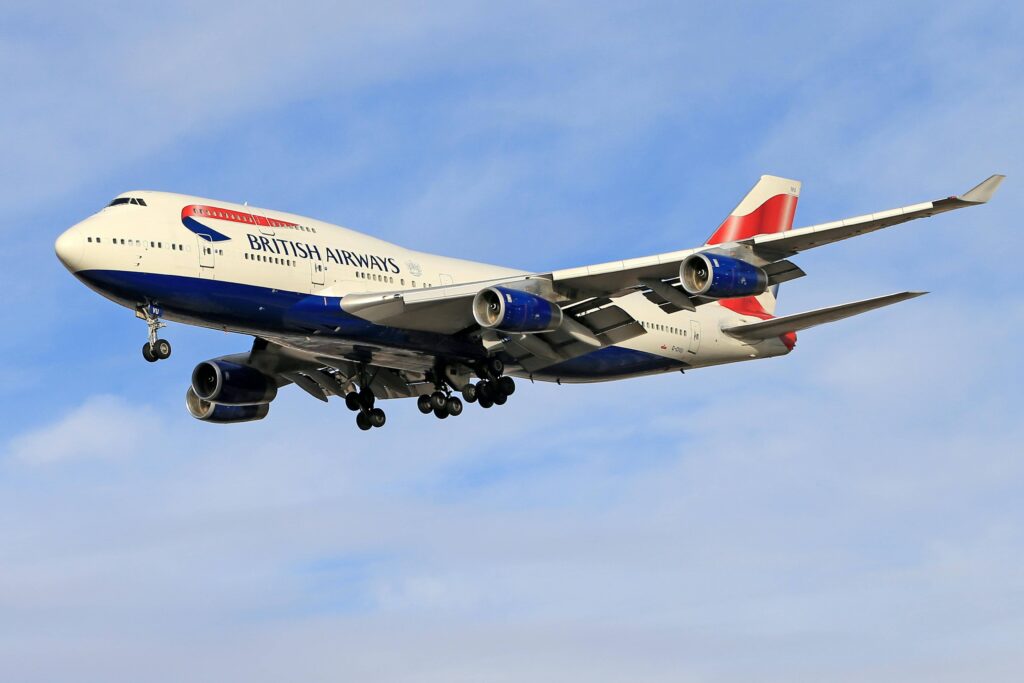 Photo by : Jeffry Surianto / Pexels
Aer Lingus’s Manchester story isn’t unique. The aviation industry is littered with the wreckage of secondary hub long-haul operations that looked good on a PowerPoint slide but couldn’t survive contact with reality.
Norwegian tried low-cost long-haul from regional airports and retreated. Wow Air collapsed spectacularly. Even British Airways wound down its Gatwick long-haul network, consolidating at Heathrow where scale and premium demand sustained the economics.
The fundamental challenge is yield. Long-haul flights are expensive to operate—fuel, crew costs, maintenance, overflight fees, airport charges all add up. To make a route work, you need high-yield business traffic or massive leisure volumes at fares that cover costs. Manchester offered decent leisure demand but lacked the corporate density and connecting feed that make Dublin, or Heathrow, economically superior.
The CAPA Centre for Aviation noted that Aer Lingus’s Manchester routes were actually profitable—just not profitable enough. Within IAG, where every aircraft competes for its fleet position, marginal profitability isn’t sufficient. If those two A330s earn a higher return from Dublin, that’s where they go. Ruthless, but that’s how modern airline groups optimise networks.
There’s a broader lesson about the tension between regional connectivity and financial discipline. Passengers in Manchester, Leeds, and Liverpool want direct long-haul flights. Politically, there’s support for “levelling up” air connectivity beyond London. But airlines aren’t charities. They allocate capital where returns are highest. Unless governments step in with route subsidies—a model used in parts of Europe and the US—secondary hub long-haul will always be fragile.
What About American Airlines and the A321XLR?
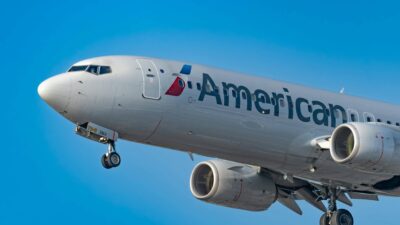
One piece of speculation worth tracking: rumours have circulated that American Airlines may be eyeing a Manchester-to-New York route using the Airbus A321XLR, the new single-aisle aircraft designed specifically for thinner long-haul markets.
The A321XLR changes the economics of transatlantic flying from regional airports. With around 180–200 seats and significantly lower operating costs than a widebody, it lets airlines test routes that couldn’t justify an A330 or 787. Nothing has been confirmed—airline route rumours deserve generous scepticism—but Manchester, with its large catchment area and business travel demand to New York, is a logical candidate.
200 Jobs and the Human Cost
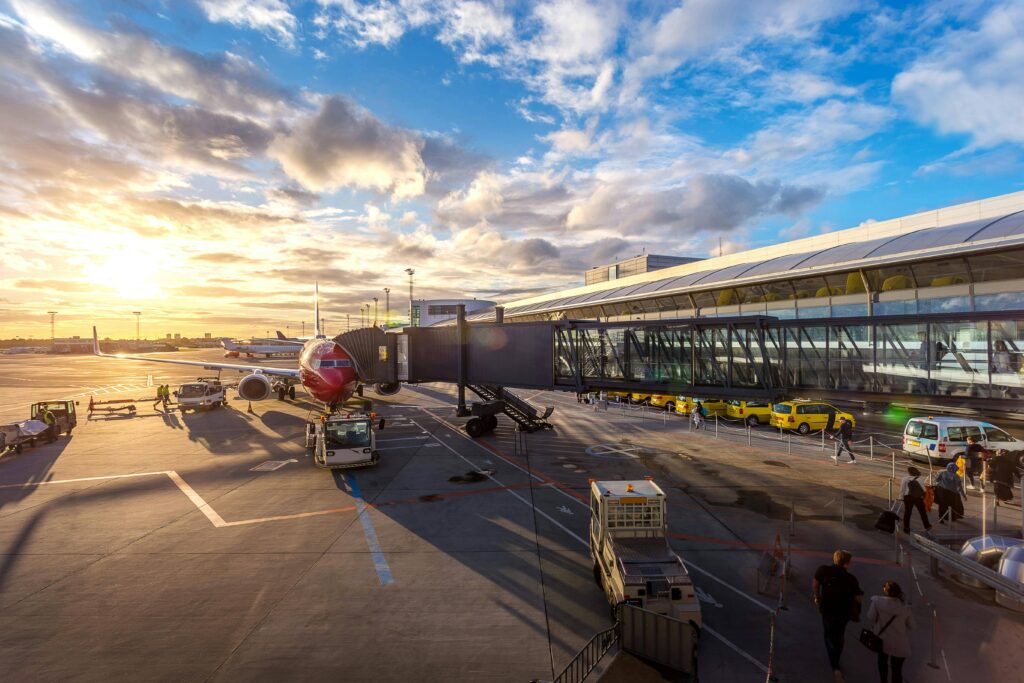 Photo by : Tanathip Rattanatum / Pexels
Behind the network maps and financial analysis, roughly 200 cabin crew members in Manchester are facing redundancy. These are people who were hired locally, built careers at the base, and now find themselves caught between an airline’s strategic pivot and a labour dispute that spiralled beyond anyone’s expectations.
Aer Lingus has said it will comply with UK redundancy law. Pilots seconded from the Irish operation have guaranteed transfers back to Dublin. But locally hired cabin crew don’t have that safety net. Some may find roles with Virgin Atlantic, which is actively recruiting. Others will look elsewhere in an industry that, while recovering strongly, still has pockets of precariousness.
The Unite union, which led the strike action, has been largely silent since the closure was confirmed. Whether the walkouts contributed to the decision or merely gave management a convenient narrative to justify what was already a financially motivated exit is a question that will be debated for years in crew rooms across the UK and Ireland.
What Happens to Aer Lingus’s UK Operating Licence?
One unresolved detail: Aer Lingus holds a UK Air Operator Certificate through its subsidiary, used exclusively for Manchester transatlantic flights. With those ending, the certificate’s future is unclear. Retaining it would keep the door open for a return. Letting it lapse would signal a definitive exit from UK-based long-haul. The airline has declined to comment, which suggests the question is still being debated internally.
Looking Ahead: Manchester’s Transatlantic Future
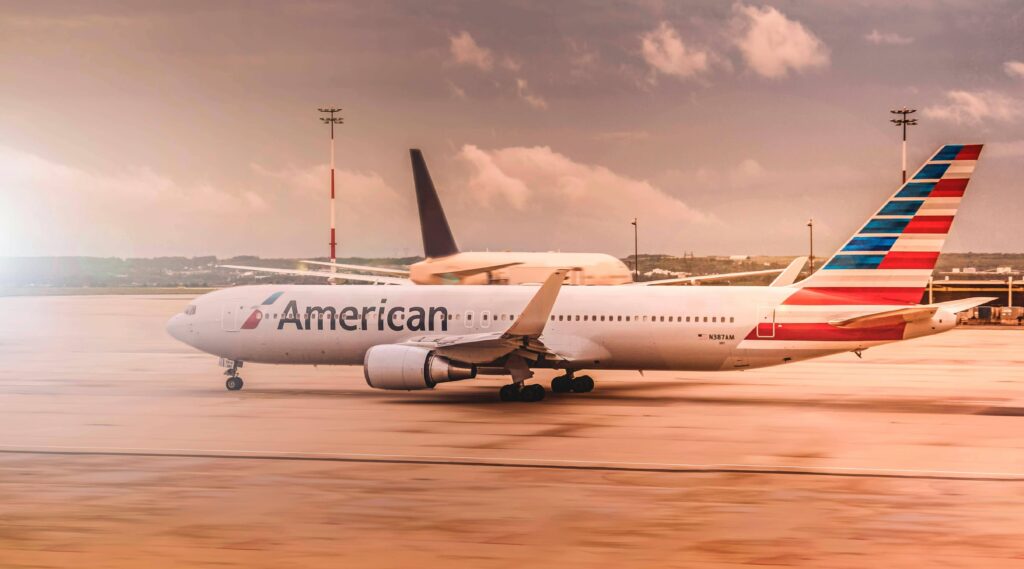 Photo by : Quintin Gellar / Pexels
Manchester Airport remains the UK’s third-busiest, handling over 32 million passengers in 2025 and serving nearly 200 destinations. It’s undergoing a massive £1.3 billion redevelopment. The airport isn’t in trouble. But it has undeniably lost transatlantic diversity.
A decade ago, Manchester had American Airlines flying to New York and Chicago, United to various US hubs, and a broader spread of long-haul operators. Airline consolidation, Heathrow’s gravitational pull on premium traffic, and the pandemic’s aftershocks have thinned the ranks.
Stephen Turner, Manchester Airport’s Chief Commercial Officer, has focused on the positive, noting resilient demand and Virgin Atlantic’s rapid expansion. Travellers from the North of England will still fly nonstop to New York, Orlando, Atlanta, Las Vegas, and Boston without going anywhere near London.
But for the families who booked their dream Barbados holiday on Aer Lingus, for the cabin crew facing redundancy notices, and for the aviation planners who hoped Manchester could sustain multiple long-haul competitors, the closure of the Aer Lingus base is a sobering reminder. In commercial aviation, ambition alone doesn’t keep planes in the sky. Margins do.