Your plane is sitting on the tarmac. Again. The pilot mumbles something about “traffic management” over the intercom. Meanwhile, you’re refreshing your airline app for the third time in five minutes, watching your connection slip away.
Welcome to American air travel in 2026, where the FAA is throwing unprecedented money at infrastructure while passenger protections are quietly disappearing. It’s a strange contradiction that’s leaving millions of travelers stuck in a frustrating limbo between promised improvements and present-day chaos.
The FAA Finally Got Serious About Fixing Air Traffic Control
After decades of promises, the Federal Aviation Administration is actually doing it. They’re replacing the entire air traffic control system, and they’re doing it fast. Think three years, not three decades.
The One Big Beautiful Bill passed by Congress earlier this year allocated $12.5 billion specifically for air traffic control modernization. FAA Administrator Bryan Bedford expects to spend about half of that by the end of fiscal 2026. That’s not the usual government pace where money sits in accounts gathering dust while bureaucrats argue over procurement contracts.
The money is going toward replacing aging radar systems that have long exceeded their intended service lives. By the end of 2028, the FAA plans to install 612 state-of-the-art radars at airports and along flight routes. That’s not just incremental upgrades. We’re talking about throwing out copper circuits and replacing them with fiber optics, the kind of leap that happens once every few generations.
For the first time since the 1960s, the FAA is building a brand-new consolidated Air Route Traffic Control Center. These facilities manage high-altitude aircraft, and several aging centers are getting complete replacements rather than Band-Aid fixes. Terminal radar approach controls, which handle aircraft near airports, are also getting major renovations.
In February 2026, Transportation Secretary Sean P. Duffy visited Reagan National Airport to showcase the upgrade from paper flight strips to electronic ones. The FAA admits they’ll need another $20 billion on top of the initial investment to finish the job completely.
But Here’s the Problem Nobody Talks About
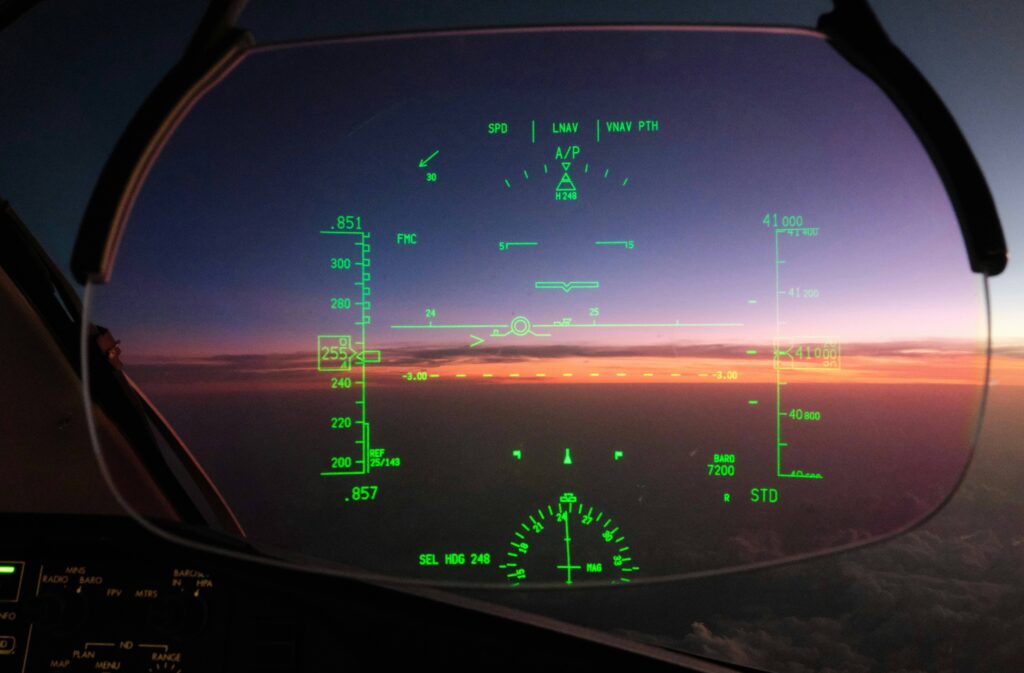 Photo by : Andrés Dallimonti / Unsplash
All those shiny new radars and electronic systems won’t matter much if there’s nobody qualified to operate them. The FAA is currently short 3,500 air traffic controllers. That’s not a small gap. That’s a crisis.
Over 90% of airports are understaffed, forcing controllers to work 60-hour weeks. During the late 2025 government shutdown, staffing issues forced the FAA to temporarily reduce operations at 40 high-traffic airports to maintain safety.
The agency is trying to fix this. They’re on track to hire 2,000 controllers in 2026 and have partnered with universities for training. But training takes time. And exhausted controllers working mandatory overtime don’t create ideal safety conditions, no matter how many billions you spend on equipment.
Your Rights as a Passenger Are Quietly Disappearing
While the FAA modernizes infrastructure, the Department of Transportation is moving in the opposite direction on consumer protections. The timing is awkward at best.
In January 2026, DOT proposed easing enforcement of aviation consumer protections, giving airlines more flexibility at the expense of passenger rights. The agency framed this as a move toward “efficiency” and prioritizing “compliance efforts before resorting to enforcement action.” Translation: airlines get more room to wiggle out of obligations.
Prior to these changes, passengers were entitled to refunds between $200 and $775 for significantly delayed or cancelled flights. DOT had also planned to mandate that airlines provide meals and hotel accommodations during major disruptions. Those protections are now on hold or eliminated entirely.
In December 2025, DOT announced it was pausing enforcement of airline refund requirements for renumbered flights through June 30, 2026. The agency argued this gave airlines operational flexibility during the transition period. Critics point out it also gave airlines a way to avoid paying refunds by simply changing a flight number while still delaying passengers.
DOT also delayed enforcement of several provisions in the wheelchair accommodations rule until December 31, 2026, affecting airline liability for mishandled wheelchairs and other disability-related protections. The Fifth Circuit Court of Appeals vacated DOT’s Ancillary Fees Rule in February 2026, which would have required airlines to disclose baggage and change fees upfront.
The justification from officials is that consumer protection mandates might be illegal and could increase ticket prices. But for travelers who’ve been stranded at airports for hours with no compensation, that explanation rings hollow.
The Numbers Behind Your Misery
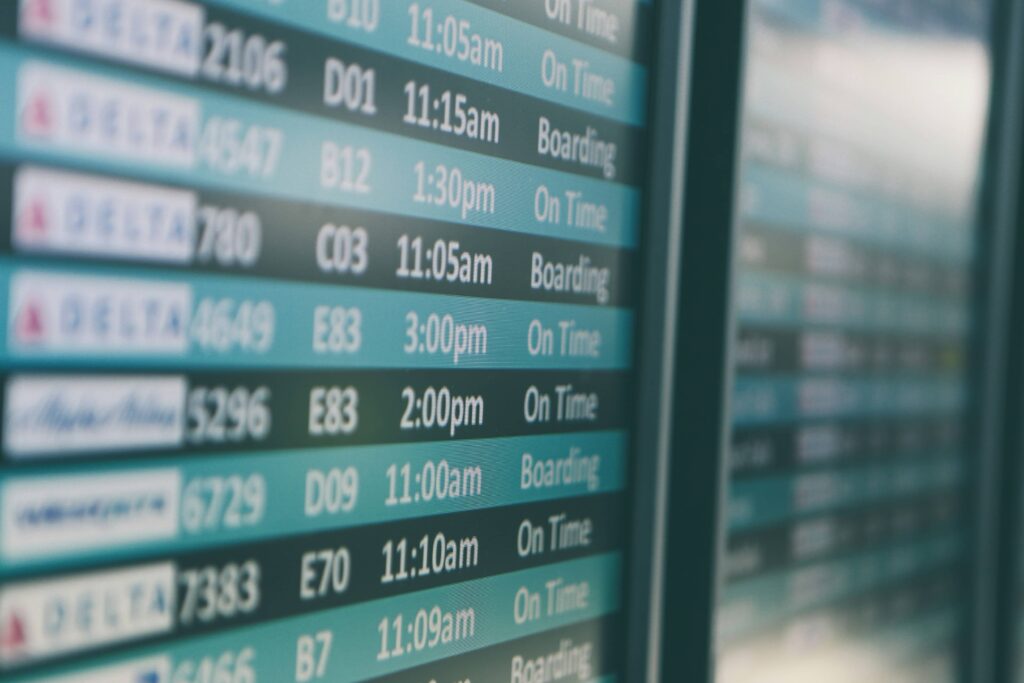 Photo by : Matthew Smith / Unsplash
In 2025, approximately 1 billion passengers departed from U.S. airports. Nearly a quarter of them, about 248 million people, experienced a flight delay or cancellation. That’s one in four passengers dealing with disrupted travel plans.
Nationwide, only 76.84% of flights were on time in 2025, defined as landing within 15 minutes of the scheduled arrival time. That’s down from 78.1% in 2024, meaning the situation is getting worse, not better, despite all the infrastructure investment.
 Photo by : Ramaz Bluashvili / Pexels
Chemical Odor Grounds Flights at DC Airports: What Travelers Need to Know
The worst airports for delays paint a clear picture. Newark Liberty International had the poorest on-time performance among major U.S. airports in 2025. LaGuardia came in second, with delayed departures typically running over 81 minutes late. Dallas Fort Worth, Boston Logan, and Chicago O’Hare round out the bottom five.
According to data submitted to DOT by airlines, over 60% of three-hour or longer domestic flight delays in both 2022 and 2023 were airline-caused, not weather-related. That’s the kind of statistic that makes the rollback of passenger compensation requirements particularly frustrating.
The most delayed route in 2025 was Chicago O’Hare to Frankfurt Airport, with 46% of departures delayed. Washington Dulles to Frankfurt came in second at 43%. On the positive side, some airports maintained impressive performance: Honolulu kept 84% of departures on time, Salt Lake City managed 82%, and Los Angeles hit 80%.
What Happens When Everything Goes Wrong at Once
The first half of March 2026 showed exactly what happens when multiple systems fail simultaneously. A government shutdown starting February 14 affected TSA staffing. While 95% of TSA personnel must work without pay during shutdowns, absence rates climbed from 2% to over 6%. Over 300 officers resigned, citing inability to cover basic expenses. Security checkpoint wait times ballooned at major airports.
Then severe winter weather hit on March 16, 2026. More than 12,500 flights were delayed or cancelled during storms affecting the East Coast, Midwest, and Great Lakes. American Airlines, Southwest Airlines, and Delta all saw 45% of flights delayed or cancelled. About 57% of flights at Atlanta were disrupted, 51% at Chicago O’Hare, and 57% at LaGuardia.
The FAA ordered ground stops at Reagan National, Chicago O’Hare, Charlotte, Houston Bush, and Baltimore Washington International. The combination of weather, understaffed security checkpoints, and air traffic controller fatigue created a perfect storm of travel chaos.
The Counterargument Nobody Wants to Hear
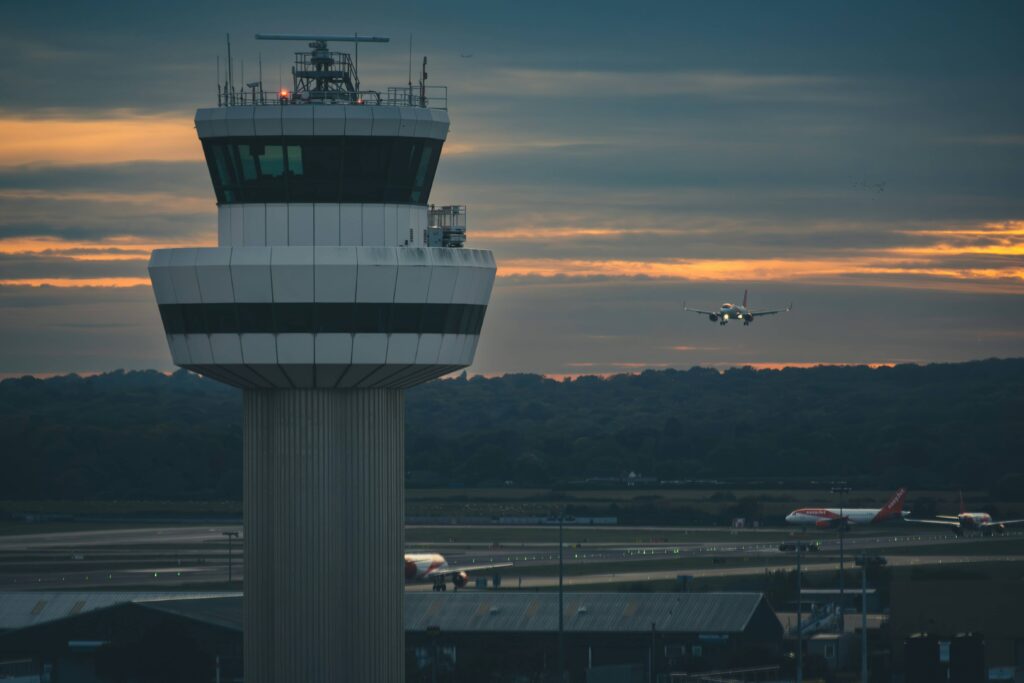 Photo by : Johannes Heel/ Unsplash
Here’s the uncomfortable truth: some of these problems are getting harder to solve, not easier.
Air traffic volume keeps increasing. Around 3 million passengers fly daily on over 44,000 flights. That number grows every year as airlines pack schedules tighter to maximize revenue. A slight delay cascades into multiple disruptions because flight schedules are designed for efficiency, not resilience.
You can spend $32.5 billion on infrastructure and it won’t matter without enough qualified people to run the system. Training an air traffic controller takes years. Those aging radars need replacement, but installing them while keeping the current system running is like replacing engines on a flying airplane.
Some industry insiders argue that weakening passenger protections might prevent airlines from going bankrupt trying to compensate millions of delayed passengers during this transition period. It’s cynical, but it highlights the tension between protecting consumers today and ensuring the industry survives long enough to benefit from tomorrow’s improvements.
How to Survive the Chaos
Knowing the system is broken doesn’t fix your delayed flight, but it can help you plan smarter. Early morning flights are less likely to be delayed because they haven’t accumulated problems from earlier departures. Tuesdays, Wednesdays, and Saturdays typically see less congestion than Fridays and Sundays.
Book nonstop flights whenever possible. Every connection is another opportunity for disruption. If you must connect, allow generous time between flights at airports known for delays.
Download airline apps for real-time updates and rebook capabilities. Third-party apps like Flighty and FlightRadar24 can show where your inbound plane is coming from, helping you guess whether your departure will actually happen. Check the BTS on-time statistics dashboard before booking to compare airport performance.
With passenger protections weakening, travel insurance is shifting from luxury to necessity. Credit cards with trip delay and interruption coverage can save you when airlines won’t.
The Bottom Line
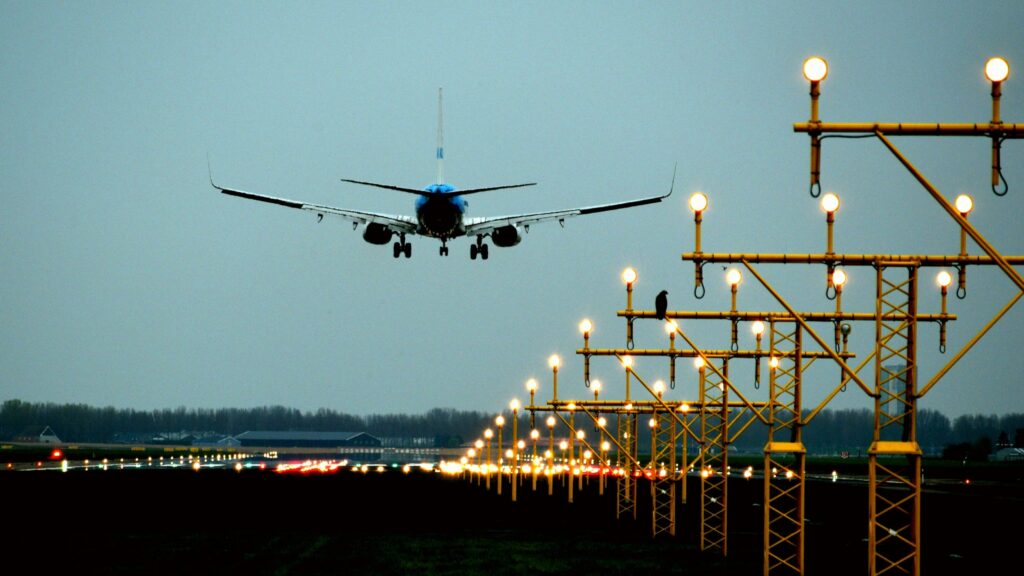 Photo by : Luka Slapnicar / Unsplash
The FAA is finally making serious infrastructure investments that should improve air traffic management over the next few years. New radars, electronic systems, and modern control centers will replace equipment that should have been retired decades ago.
But travelers shouldn’t expect smooth skies anytime soon. Controller shortages, government instability, and the sheer complexity of upgrading a system while keeping it operational mean delays and disruptions will likely get worse before they get better.
Add in DOT’s rollback of passenger protections, and you’ve got a situation where the flying public is bearing the burden of a transition that might take years to complete. The improvements are coming, eventually. In the meantime, pack patience and travel insurance in equal measure.