If you were flying through Washington, D.C, you probably spent more time sitting on airport floors than you’d planned. A mysterious chemical odor at a critical air traffic control facility brought one of the nation’s busiest aviation corridors to a grinding halt, stranding thousands of travelers during what’s typically one of the busiest travel periods of the week.
The culprit? An overheated circuit board at the Potomac Consolidated TRACON facility in Warrenton, Virginia. That single piece of faulty equipment managed to do what bad weather, mechanical issues, and staffing shortages combined rarely accomplish: simultaneously ground flights at four major airports serving the nation’s capital.
What Actually Happened
 Photo by : Bhavya Patel / Unsplash
Around 5 PM on Friday, air traffic controllers at the Potomac TRACON facility started noticing something wrong. A strong chemical smell permeated the building, making some controllers feel sick. Within minutes, the Federal Aviation Administration made the call to evacuate the facility and issue ground stops at Ronald Reagan Washington National Airport, Washington Dulles International Airport, Baltimore-Washington International Airport, and Richmond International Airport.
Think about that for a second. Four major airports, millions of passengers, hundreds of flights, all stopped because something smelled wrong. No explosions, no fires, no dramatic incidents. Just an odor potent enough to make federal officials say “everyone out” and shut down a massive chunk of East Coast airspace.
The Potomac TRACON isn’t your typical airport control tower. Built by Lockheed Martin in 2002, this facility was designed to handle over 2 million flights annually. It manages the airspace for the entire Baltimore-Washington and Richmond-Charlottesville corridors, including Joint Base Andrews. When you fly into or out of the D.C. area, controllers in that Warrenton building are coordinating your movements through some of the most congested airspace in the country.
So when that building had to be evacuated, the ripple effects were immediate and brutal.
The Chaos at the Terminals
Travelers at BWI, Reagan, Dulles, and Richmond watched departure boards flip from “On Time” to “Delayed” in rapid succession. Within an hour, every sit-down restaurant in BWI’s terminals was packed. Passengers sat on floors because there weren’t enough chairs. Some tried booking Amtrak tickets as an alternative, only to discover every train was sold out.
Modern air travel’s carefully choreographed system turns chaotic quickly. When one piece fails, everything collapses. There’s no slack, no buffer, no backup plan that doesn’t involve sitting on airport floors while stress-eating overpriced food.
The FAA initially didn’t specify what caused the chemical smell. They simply confirmed that it was “impacting some air traffic controllers” and that operations were temporarily suspended. Transportation Secretary Sean Duffy posted on X (formerly Twitter) that the FAA was working to identify and address the source of the strong odor.
Hazmat teams from Fauquier County and Prince William County descended on the facility, searching for the source while controllers were relocated to a nearby training facility. It’s worth noting that these weren’t rookies panicking over a weird smell. These are professional air traffic controllers trained to handle emergencies. When they say the odor is a problem, you listen.
The Source: An Overheated Circuit Board
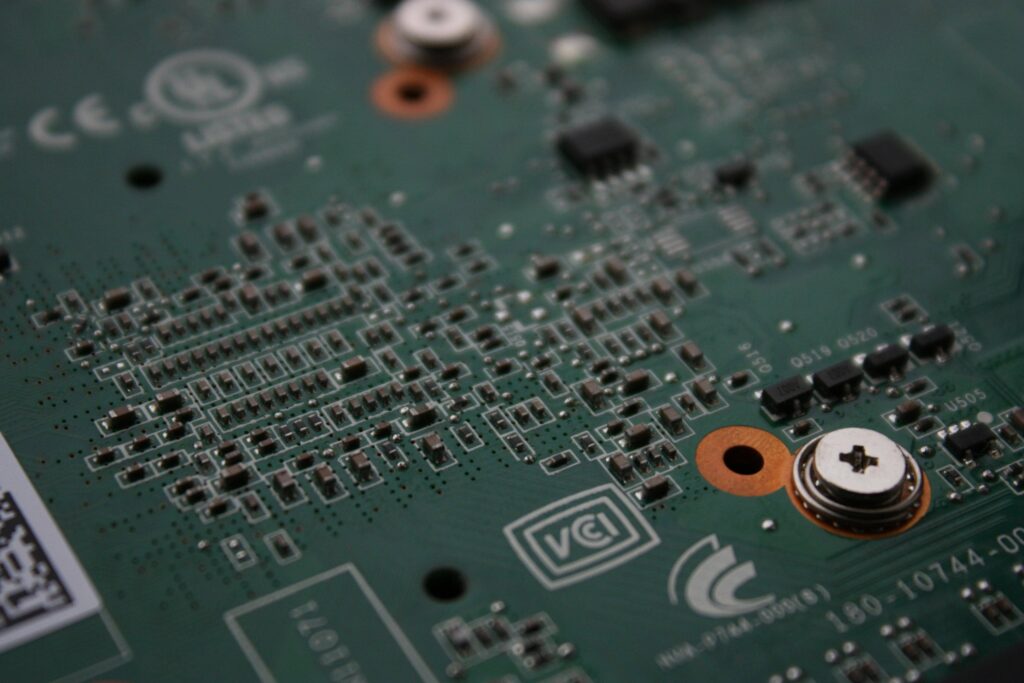 Photo by : Shawn Stutzman / Pexels
By around 7:45 PM, officials had identified the culprit. Secretary Duffy confirmed that firefighters traced the strong odor to a circuit board that had overheated. The board was replaced, the facility was cleared, and controllers were given the all-clear to return.
An overheated circuit board. That’s it. Not a chemical spill, not a gas leak, not some catastrophic equipment failure. Just one circuit board getting too hot and producing a smell concerning enough to shut down regional air traffic for nearly three hours.
The ground stops were officially lifted around 8 PM, but the FAA downgraded the situation to ground delays that extended until just before midnight at Reagan National and past midnight at BWI and Dulles. Flight tracking data showed departure delays averaging 90 minutes, with some passengers reporting delays exceeding three hours.
Why This Matters More Than You Think
Between 25% and one-third of all departing flights from the affected airports experienced delays. On a Friday evening in March, that’s thousands of passengers and hundreds of connecting flights creating a cascade of disruptions across the East Coast.
This incident exposed how vulnerable our air traffic control infrastructure is to relatively minor equipment failures. The Potomac TRACON has no immediate backup. When it goes down, controllers can be relocated to training centers, but that’s an improvised solution, not designed redundancy.
The TRACON system was built in 2002, over 20 years ago. In technology terms, that’s ancient. The FAA has been working on modernizing air traffic control through the NextGen program, but progress has been slow. Stories like this underscore why those investments matter.
What Travelers Experienced
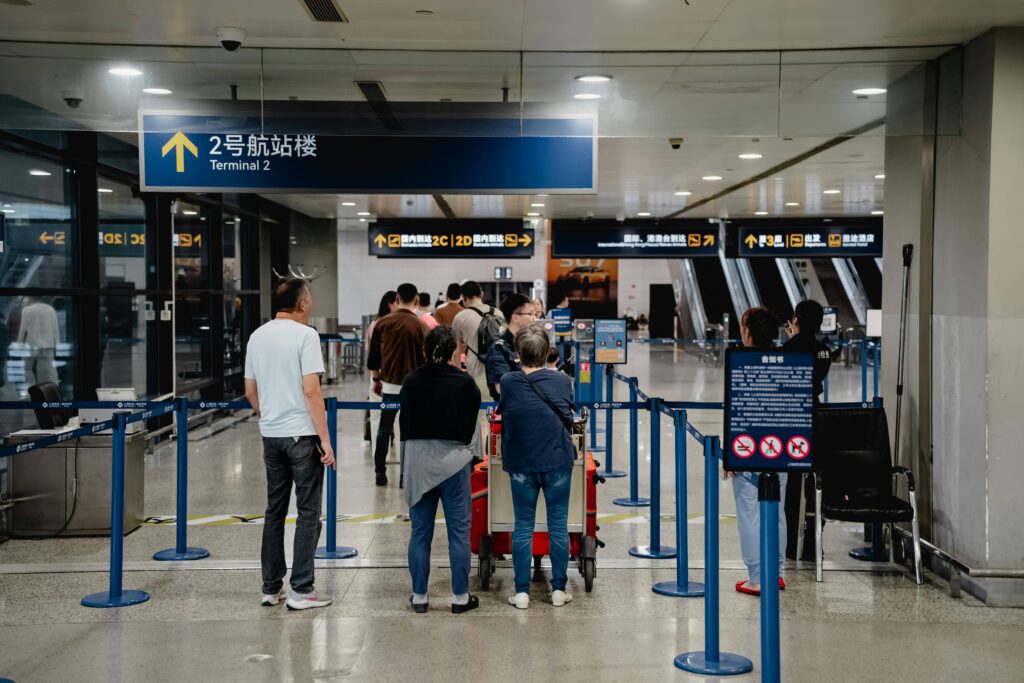 Photo by : dongfang xiaowu / Pexels
Passengers stranded at the airports described scenes of confusion and frustration. Without clear information about when flights would resume, people made educated guesses about whether to stay or head home. Some booked hotels. Others camped out at gates hoping for updates.
Modern airports aren’t designed to comfortably house thousands of stranded passengers for hours. They’re designed to move people through quickly. When that flow stops, the whole system reveals its limitations.
Airlines worked to accommodate passengers, but options were limited. “Next available flight” might be tomorrow or the day after during busy travel periods. Hotel vouchers help, but only if rooms are available near the airport, which there often aren’t when hundreds of passengers need accommodation simultaneously.
The Counterpoint: The System Worked
Before we get too critical, there’s an argument to be made that this incident demonstrates the system working exactly as designed. Air traffic controllers detected a potential safety issue. They reported it immediately. Management made the cautious decision to evacuate and investigate rather than risk controller health or safety. Hazmat teams responded quickly. The problem was identified, fixed, and operations resumed within three hours.
Yes, thousands of passengers were delayed. Yes, it was inconvenient, expensive, and frustrating. But nobody was injured. No planes crashed. No controllers were poisoned by mysterious chemicals. The safeguards built into the system worked. When faced with uncertainty about a chemical odor in a critical facility, officials chose caution over convenience.
That’s actually how it should work. We don’t want air traffic controllers making decisions about our safety while feeling sick from chemical exposure. We don’t want facilities operating with potentially dangerous equipment failures. Three hours of delays is annoying. A controller passing out at their station and causing a mid-air collision would be catastrophic.
So while it’s easy to complain about the disruption, it’s worth acknowledging that the alternative could have been much worse. The FAA’s conservative response prevented what could have become a genuine emergency.
What This Means for Future Travel
 Photo by : Maksim Dyachuk / Pexels
This incident serves as a reminder that air travel remains vulnerable to single points of failure. The Potomac TRACON manages a huge volume of traffic, and when it has problems, there’s no easy workaround. The FAA’s ability to relocate controllers to a training facility was improvised competence, not planned redundancy.
Travelers should take away a few practical lessons. First, Friday evening flights are always risky if you have time-sensitive commitments. Even without chemical odors shutting down facilities, delays are more common during peak travel times. Second, travel insurance and flexible tickets are worth the extra cost for important trips. When something like this happens, being able to rebook or cancel without penalty makes a stressful situation manageable. Third, charge your devices before leaving for the airport. When you’re stuck in a terminal for hours, a dead phone makes everything worse.
Looking forward, this incident will likely accelerate discussions about air traffic control modernization and redundancy. The FAA has been under pressure for years to update aging systems and infrastructure. When a single overheated circuit board can cause this much disruption, the case for investment becomes harder to ignore.
The Bottom Line
Friday’s ground stops at DC-area airports demonstrated both the fragility and resilience of our aviation system. An overheated circuit board at the Potomac TRACON facility in Warrenton, Virginia, caused chemical odors that forced the evacuation of air traffic controllers, leading to ground stops at Reagan National, Dulles, BWI, and Richmond International airports starting around 5 PM. The problem was identified and fixed within three hours, but delays persisted well into the night, affecting thousands of travelers.
No injuries were reported, and no safety breaches occurred beyond the operational disruption. Firefighters confirmed there was no danger to controllers, and the faulty circuit board was replaced. But the incident exposed how dependent our aviation infrastructure is on aging equipment and how quickly disruptions can cascade through the system.
For the thousands of travelers who spent Friday evening sitting on airport floors, waiting for updates, and wondering when they’d finally get home, this was more than a minor inconvenience. It was a reminder that despite all our technological advances, air travel still depends on equipment that can fail in mundane ways with extraordinary consequences.
Next time you’re flying through DC and everything goes smoothly, take a moment to appreciate the dozens of controllers at that facility in Warrenton, Virginia, managing one of the busiest airspaces in the world. And hope their circuit boards stay cool.