Seven years. That’s how long it’s been since a US airline flew a scheduled passenger service to Venezuela. Now, American Airlines has stepped forward as the first American carrier to announce plans for daily nonstop flights back to the country, and the story behind that gap (and this return) is as tangled as any route map you’ve ever seen.
The announcement, made on January 29, 2026, came just 26 days after US forces captured Venezuelan President Nicolás Maduro in a dramatic military operation. American isn’t just adding a new pin to its network map. It’s reopening an air corridor sealed shut by political crisis, safety warnings, currency traps, and diplomatic standoffs.
Why Did US Flights to Venezuela Stop?
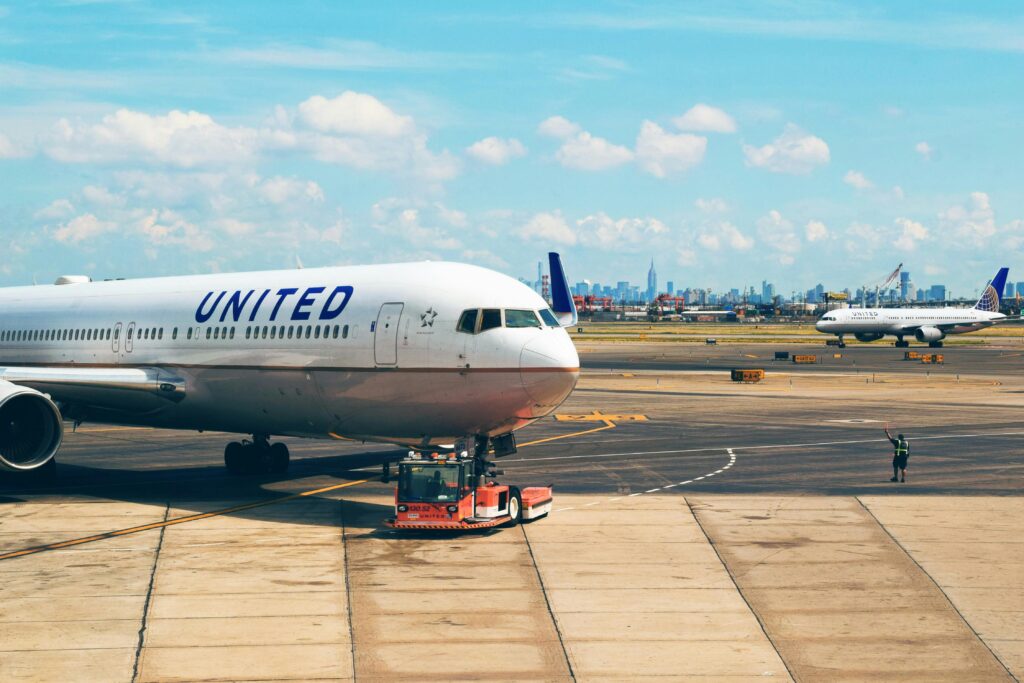 Photo by : Tim Gouw / Pexels
The shutdown didn’t happen in a single dramatic moment. It unravelled in stages.
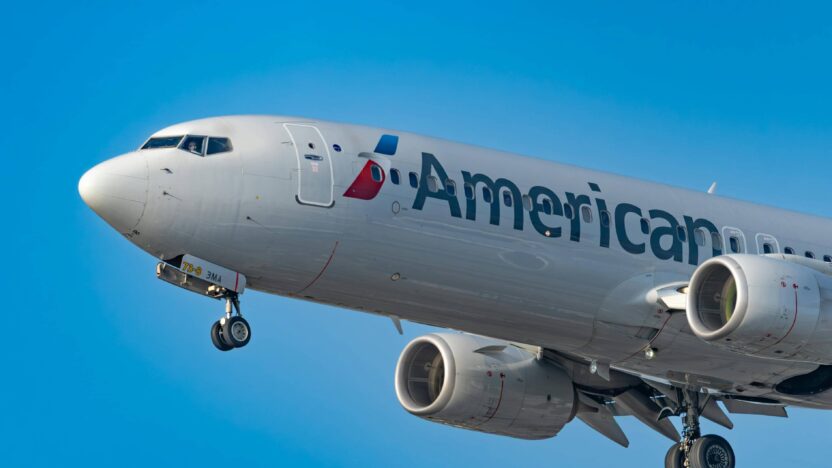
United Airlines and Delta Air Lines pulled out first, both exiting in 2017 as Venezuela’s economic collapse deepened. American held on longer. It had been flying there since 1987 and was the last US carrier standing. But by early 2019, things were untenable. The State Department advised citizens to leave. Diplomats were pulled out. American’s own pilots’ union told its members to refuse Venezuela trip assignments, citing safety concerns. The airline suspended service in March 2019.
Two months later, the DOT banned all scheduled and charter flights between the two countries. The door slammed shut.
For context, American had provided roughly 362,000 two-way seats between the US and Venezuela in 2018, accounting for nearly 58% of all capacity on the route. This wasn’t a minor market. It was a lifeline, particularly for the hundreds of thousands of Venezuelan-Americans in South Florida.
The Maduro Capture Changed Everything
On January 3, 2026, in an operation dubbed “Absolute Resolve,” US forces struck targets across northern Venezuela and extracted President Maduro and his wife from a fortified compound in Caracas. They were flown to New York to face narcoterrorism charges. Maduro pleaded not guilty in a Manhattan federal courtroom two days later.
The operation was wildly controversial, condemned by the UN, Russia, and China. But its effect on aviation was swift. On January 29, President Trump directed Transportation Secretary Sean Duffy to lift the 2019 ban on commercial air traffic to Venezuela. That same day, American made its announcement.
With acting President Delcy Rodríguez navigating an uncertain transition, the Trump administration signalled that reopening Venezuela to American commerce, starting with air travel, was a priority. American, with its 30-plus-year history in the market and its massive Miami hub sitting just 1,360 miles from Caracas, was the obvious first mover.
Routes, Aircraft, and the Envoy Air Strategy
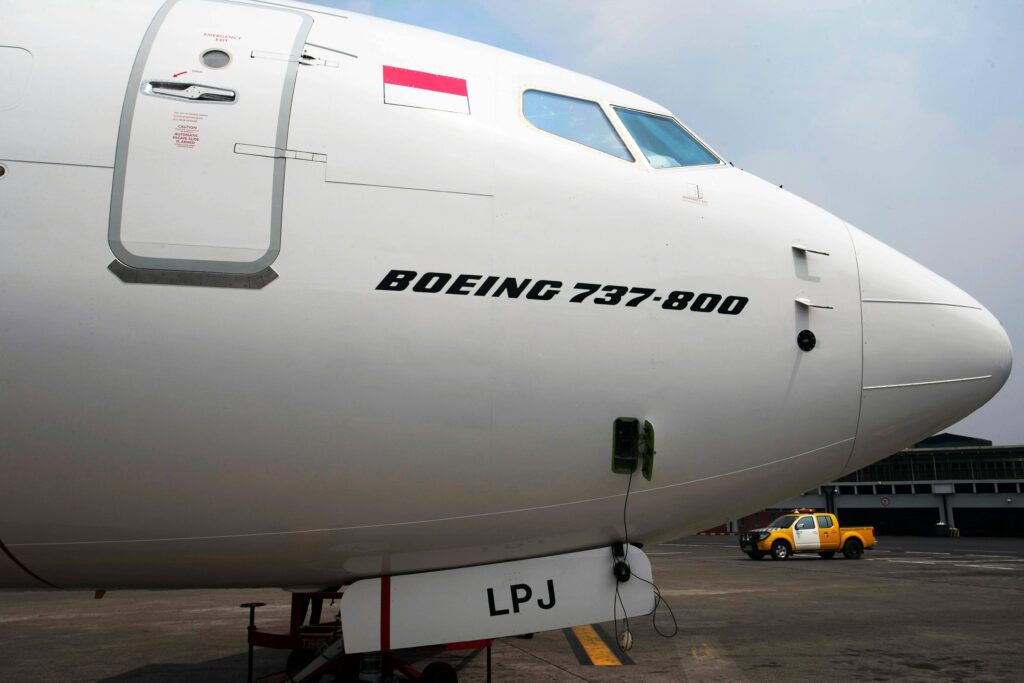 Photo by : Jeffry Surianto / Pexels
Here’s where it gets operationally interesting. American isn’t charging back in with 737s and first-class cabins. Not yet.
The airline filed with the DOT for permission to launch service via Envoy Air, its wholly owned regional subsidiary operating under the American Eagle brand. Envoy flies 76-seat Embraer 175 regional jets, considerably smaller than the mainline aircraft American once deployed to Caracas.
Two routes are planned from Miami International Airport: Miami to Caracas (Simón Bolívar International Airport, roughly 3 hours) and Miami to Maracaibo (La Chinita International Airport, about 2 hours 45 minutes). Envoy has requested expedited DOT approval for at least two years of service.
The regional jet approach is deliberate. Using Envoy lets American test the waters without committing mainline crew, who may have union concerns about security conditions on the ground. Initial flights would likely operate as same-day turns: depart Miami in the morning, land in Caracas, return the same evening. No crew overnights in Venezuela. It’s cautious. Probably smart.
No firm launch date has been set, but industry observers expect flights could begin in late March or April 2026 if approvals come through on schedule.
Follow the Diaspora: Why Miami Is the Gateway
South Florida is home to the largest Venezuelan community in the United States, an estimated 500,000 or more in Miami-Dade and Broward counties alone. For seven years, these families had no direct path home. Visiting relatives meant routing through Bogotá, Panama City, or sometimes Madrid, adding hours, layovers, and significant expense to an already emotional journey.
American’s chief commercial officer, Nat Pieper, put it plainly: “We have a more than 30-year history connecting Venezolanos to the U.S., and we are ready to renew that incredible relationship.”
That’s corporate language, sure. But behind it sits a real commercial calculation. The Venezuelan diaspora in Miami represents a built-in, high-loyalty customer base that has waited years for this exact flight to appear on the departure board. Demand hasn’t disappeared during the ban. It’s been compressed, redirected, and frustrated. Every Venezuelan-American who’s been connecting through Bogotá or Panama City represents a passenger who will switch to a direct AA flight the moment it becomes available.
The Counterargument: Is It Actually Safe?
 Photo by : Ramaz Bluashvili / Pexels
Here’s the uncomfortable wrinkle. As of this writing, the US State Department rates Venezuela at Level 4, Do Not Travel. That’s the highest risk advisory, the same level applied to active conflict zones. It cites risks of wrongful detention, torture, terrorism, kidnapping, and civil unrest.
How do you square a “Do Not Travel” warning with daily nonstop service? Partly, it’s bureaucratic lag: the advisory predates the Maduro capture and may not reflect the new reality. Partly, it reflects genuine uncertainty. Acting President Rodríguez’s government is still consolidating, security outside Caracas remains fluid, and the long-term political trajectory is anyone’s guess.
American’s labour unions are watching closely. The Allied Pilots Association forced the 2019 suspension by telling pilots to refuse Venezuela trips. Whether crew unions sign off on the return remains an open question. The Envoy subsidiary approach may partly be a workaround: different union, different contractual framework.
There’s also the matter of airport infrastructure. Simón Bolívar International Airport saw its international traffic crater during the ban and the broader Venezuelan economic crisis. Ground handling, fuel supply, navigation equipment, and terminal operations all need to meet safety standards. American’s DOT filing noted it doesn’t anticipate fuel availability issues, but FAA safety assessments are ongoing before any aircraft wheels up.
The Currency Fix That Makes This Time Different
A detail often lost in the political drama: a big reason American left in 2019 wasn’t just safety. It was money.
Under Maduro’s government, Venezuela imposed currency controls that trapped airline revenues in bolívars, a currency effectively worthless on international markets. Airlines couldn’t repatriate earnings. Multiple carriers had billions in combined revenue locked inside Venezuela with no way to convert it.
This time, the economics look different. Venezuela’s economy has largely dollarized. Tickets will almost certainly be sold in US dollars. The bolívar trap that made Venezuelan operations financially toxic has dissolved. That doesn’t eliminate all risk, but it removes the single biggest commercial obstacle that drove carriers away independent of politics.
The Bigger Reconnection
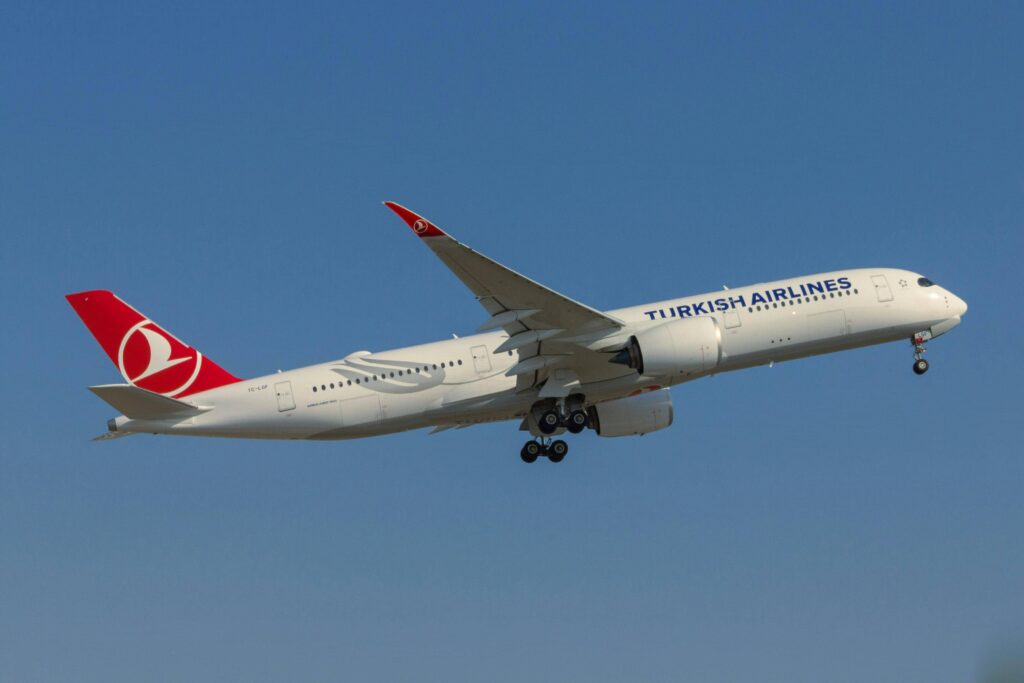 Photo by : Kaan Durmuş / Pexels
American may be the first US carrier back, but it’s not alone. Copa Airlines resumed Caracas service in mid-January. Air Europa restarted Madrid-Caracas in February. Turkish Airlines launched Istanbul-Caracas in March. LATAM, Wingo, GOL, TAP Portugal, and Iberia have all resumed or announced Caracas flights by mid-2026. Venezuelan carriers Laser Airlines and Avior have filed with the DOT for direct US service.
Venezuela’s seven-year aviation isolation is ending rapidly. American’s move is the most symbolically significant, a US flag carrier returning to a country the US government forcibly intervened in weeks earlier, but it’s part of a much wider reconnection. The message from the global airline industry is clear: whatever your view of the politics, the commercial calculus says Venezuela is open for business again.
What This Really Means
If the Envoy service proves smooth and demand meets expectations, mainline equipment will follow: Boeing 737-800s or MAX 8s with proper first-class cabins and full loyalty program integration. There are rumours American could eventually expand beyond Miami to serve Caracas from Houston, New York, or Atlanta, all cities with significant Venezuelan populations. But that’s getting ahead of things. The immediate priority is proving the concept at Miami, the natural gateway.
Meanwhile, the State Department advisory sits at Level 4. Unions are evaluating. Security assessments grind forward. The political situation in Venezuela, while dramatically different from three months ago, is far from settled.
There’s something deeper here than DOT filings and fleet strategy. This is about the grandmother in Maracaibo who hasn’t hugged her grandchildren in Miami since they were toddlers. The business owner in Caracas who lost contact with partners when the flights stopped. A community that built its life between two countries and watched the bridge disappear.
American Airlines is rebuilding that bridge. Cautiously, commercially, with regional jets instead of grand gestures. Whether it holds depends on politics, safety, union negotiations, and regulatory approvals. But for half a million Venezuelan-Americans in South Florida, it can’t come soon enough.