The tables have turned faster than anyone expected. Boeing, the American aircraft manufacturer that spent years buried under 737 MAX scandals and production nightmares, just beat Airbus on new aircraft orders for the first time since 2018. The final 2025 tally showed Boeing securing 1,173 net orders compared to Airbus’s 889, ending a seven-year losing streak and signaling that the competitive dynamics between these aviation giants might be shifting in unexpected ways.
But declaring a winner based on one year would be premature and misleading. The early months of 2026 paint a more nuanced picture, with both manufacturers trading victories in monthly battles for deliveries and orders. Boeing led January on both metrics, delivering 46 aircraft and booking 103 net orders. Airbus bounced back to capture February orders with 28 commitments despite trailing on deliveries. The backlog numbers reveal that Airbus still holds a commanding multi-year advantage with 8,770 aircraft in the pipeline. The real story isn’t about who’s winning. It’s about how dramatically the playing field is changing and what that means for airlines, passengers, and the future of commercial aviation.
Boeing’s Remarkable Comeback From Crisis to Competitiveness
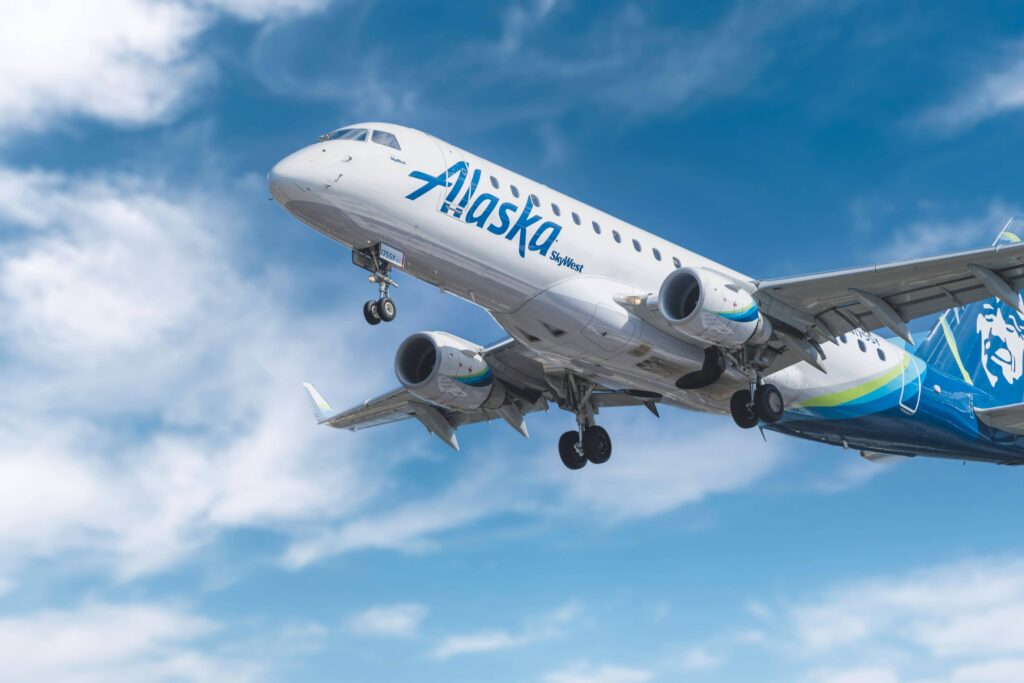
For Boeing, 2025 represented more than just good sales numbers. It validated that airlines still trust the company despite everything that happened. The 737 MAX grounding after two fatal crashes. The door plug blowout on an Alaska Airlines flight in January 2024. Years of production quality issues that had regulators crawling all over Boeing facilities. Through all of that, airlines kept faith that Boeing could deliver the aircraft they needed.
The company delivered 600 commercial aircraft in 2025, its highest annual total since 2018. That’s still well below Airbus’s 793 deliveries, but the gap narrowed significantly from previous years when Boeing struggled to get anything out the door. More importantly, production appears to be stabilizing. Boeing handed over 46 aircraft in January 2026 and 51 in February, suggesting consistent output rather than the stop-start patterns that characterized recent years.
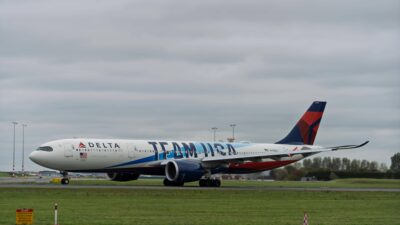
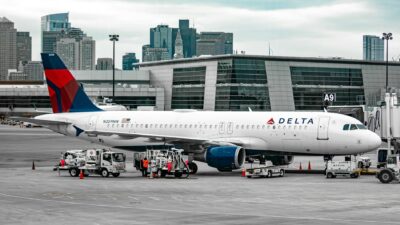
Orders tell an even more encouraging story for Boeing. The company booked 107 gross orders in January 2026 alone, highlighted by several major deals. Alaska Airlines announced its largest-ever aircraft order with 105 Boeing 737-10 aircraft plus options for 35 more, along with five 787 widebodies to support international expansion. Delta Air Lines committed to 60 Boeing 787-10 Dreamliners with deliveries starting in the early 2030s, demonstrating how airlines are locking in delivery slots a decade out. Aviation Capital Group ordered 50 737 MAX jets split between the -8 and -10 variants. February added another 21 orders, maintaining momentum into the new year.
Where Boeing really made gains was in politically advantageous deals. The Trump administration actively promoted a massive Qatar Airways commitment for up to 210 Boeing 787s and 777X aircraft, valued at $96 billion. While not all of those are firm orders, the White House framed the agreement as proof that American manufacturing could compete globally. Whether you credit political maneuvering or genuine product competitiveness, Boeing landed deals it desperately needed.
Airbus Faces Unexpected Headwinds Despite Market Dominance
Airbus entered 2026 from a position of strength, with an 8,770-aircraft backlog representing over 10 years of production at current rates. That’s nearly 2,000 more aircraft than Boeing’s backlog and includes dominant positions in the narrow-body market where the A320neo family accounts for 7,193 pending deliveries.
Yet 2026 started surprisingly weak for the European manufacturer. Airbus delivered just 19 aircraft in January, its softest January performance in years. The company recovered to 35 deliveries in February, but those numbers raised concerns about whether Airbus can hit its 870-delivery target for the full year.
CEO Guillaume Faury blamed Pratt & Whitney engine shortages for delivery constraints, telling analysts Airbus has “an unsatisfactory situation with less engines than what we would need for 2026.” When your production line is ready to build aircraft but engines aren’t arriving on schedule, you end up with completed airframes sitting around waiting for powerplants. That ties up working capital and delays revenue recognition.
Airbus also faced criticism over fuselage panel quality issues affecting A320 family production. The problems forced the company to cut its 2025 delivery target from 820 to 790 aircraft, ultimately delivering 793. While analysts described this as a “temporary execution setback,” it revealed vulnerabilities in Airbus’s supply chain despite years of market leadership.
On the orders front, Airbus captured 1,000 gross orders in 2025 but lost ground to Boeing after cancellations brought the net total to 889. The early 2026 months showed mixed results. Airbus trailed Boeing significantly in January with just 49 net orders, though February delivered 28 orders concentrated entirely in the A320neo family. The pattern suggests airlines remain committed to Airbus narrow-bodies while Boeing makes gains in widebody segments.
The Numbers That Actually Matter Beyond Monthly Headlines
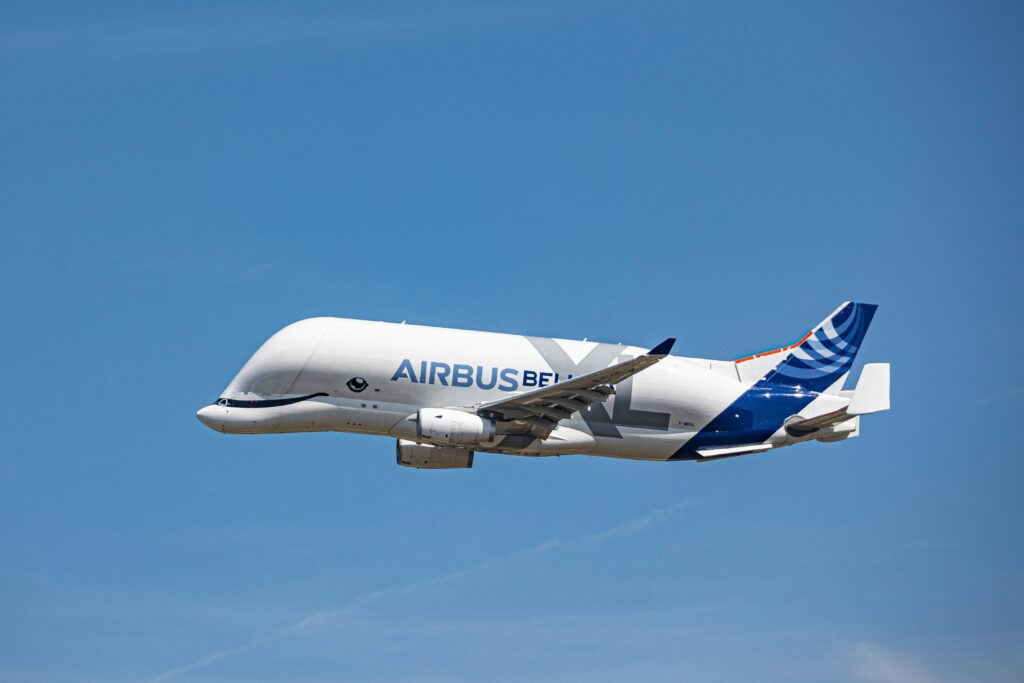 Photo by : Berend Verheijen / Unsplash
Looking purely at backlogs provides the clearest picture of each company’s competitive position. As of February 2026, Airbus held firm orders for 8,770 aircraft compared to Boeing’s approximately 6,734. That 2,036-aircraft gap represents real airline commitments stretching years into the future.
 Photo by : Wikimedia Commons
Why Boeing’s 777X Is One of the Most Delayed Aircraft Programs in Aviation
Breaking down those backlogs reveals different strategic positions. Airbus dominates single-aisle jets with the A320neo family accounting for 82 percent of its backlog. Boeing’s backlog is more balanced, with the 737 MAX representing 73 percent while widebodies like the 787 and pending 777X deliveries account for larger shares.
Production years of coverage tell an interesting story. Airbus’s backlog represents 10.1 years at their targeted 870 annual deliveries. Boeing’s backlog covers 9.8 years at the projected 684 annual deliveries. Those similar timeframes mask the revenue difference since Airbus aircraft cost varies but the sheer volume advantage matters.
The narrow-body market drives both companies’ fortunes. Airbus holds roughly 60 percent of the global narrow-body backlog while Boeing has about 40 percent. That split has remained fairly stable despite Boeing’s recent gains, suggesting the competitive landscape isn’t changing as dramatically as year-over-year order totals might suggest.
Why Some Industry Experts Think Boeing’s Gains Won’t Last
The counterargument to Boeing’s comeback narrative focuses on sustainability. Can the company maintain this order momentum once the political tailwinds from supportive government administrations fade? The Qatar Airways deal, while impressive, came with substantial White House involvement and promotion. Airlines don’t typically need presidential endorsements to buy aircraft.
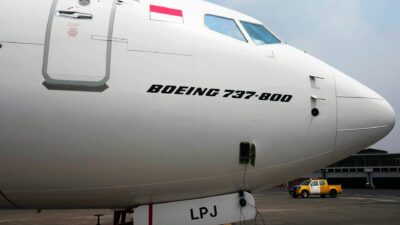
Boeing also faces continued certification delays on the 777X widebody, now expected to enter service in 2027 instead of 2020 as originally promised. That seven-year delay has frustrated launch customers like Lufthansa and Emirates, potentially making future sales more difficult. The 737 MAX 7 and MAX 10 variants remain uncertified, limiting Boeing’s narrow-body competitiveness against Airbus’s complete A320neo family lineup.
Production quality remains a question mark. While deliveries have stabilized, Boeing continues dealing with FAA oversight and scrutiny that slows manufacturing. Any new quality issues could trigger production pauses that would immediately impact delivery numbers and further damage airline confidence.
The competitive dynamics also depend heavily on supply chain health. Both Boeing and Airbus face engine delivery constraints, labor shortages, and component availability issues. If anything, Airbus’s Pratt & Whitney problems might actually help Boeing by limiting how much market share the European manufacturer can capture even when demand favors their products.
What the Next Year Actually Determines
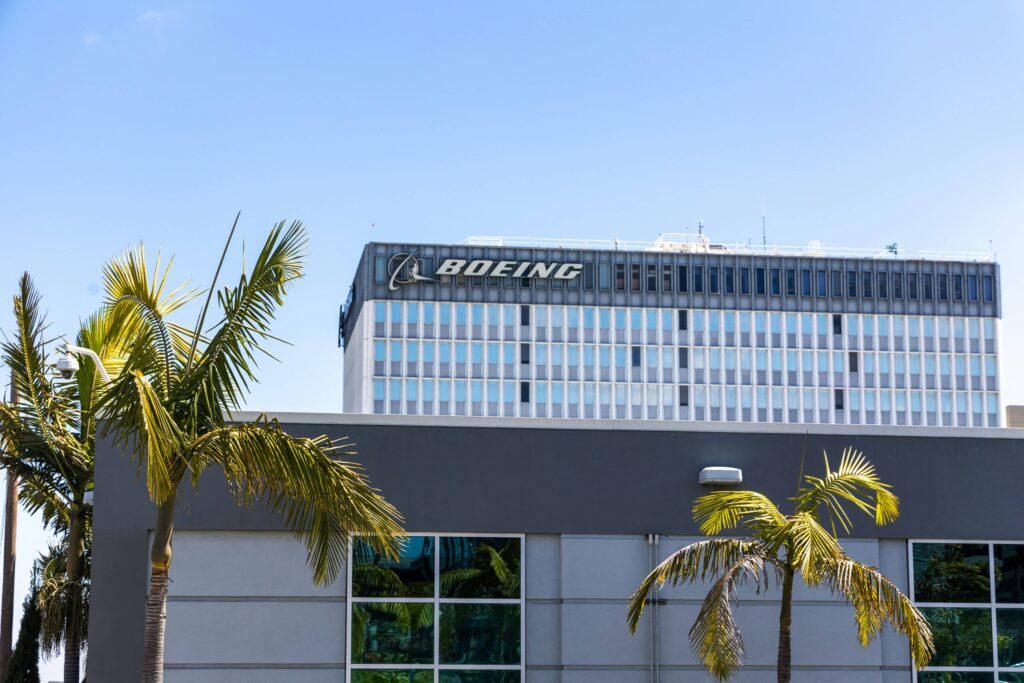 Photo by : Sven Piper / Unsplash
The 2026 delivery race will provide clarity on whether Boeing’s resurgence has staying power or represents a temporary blip. Airbus targets 870 deliveries for the year while analysts project Boeing around 684. If Boeing exceeds expectations and Airbus misses targets due to continued engine shortages, the narrative of competitive rebalancing gains credibility. If Airbus delivers as promised while Boeing stumbles on quality issues or certification delays, the 2025 order victories start looking like an anomaly rather than a trend.
Orders matter less than deliveries for near-term financial performance since manufacturers receive the bulk of aircraft payments upon delivery, not when orders are signed. Both companies desperately need cash flow after years of crisis management and supply chain disruptions. The industry estimates that delayed deliveries added over $11 billion to airline costs in 2025 by forcing carriers to operate aging, less efficient fleets longer than planned.
The global aircraft backlog now represents more than 13 years of production at current rates, worth hundreds of billions of dollars to manufacturers and suppliers. That unprecedented backlog should support both Airbus and Boeing for years to come, but only if they can actually build and deliver aircraft at promised rates without quality compromises.
Neither manufacturer can afford complacency. IATA forecasts 4.9 percent passenger traffic growth in 2026, meaning airlines need new aircraft to handle demand. If Airbus and Boeing can’t deliver, carriers will either defer growth plans or airlines in regions like China might increasingly turn to domestic manufacturers like COMAC, whose C919 narrow-body has already accumulated over 1,000 orders.
The competition between Airbus and Boeing will define commercial aviation for the next decade. Boeing’s 2025 order victory suggests the American manufacturer has stabilized enough to compete effectively again. But Airbus’s delivery advantage and backlog superiority demonstrate that one good year doesn’t erase seven difficult ones. The real winner will be determined not by who sells the most aircraft in any given year, but by who executes most consistently on production, quality, and innovation over the long haul. Right now, that race remains too close to call.
Related Aviation News
 Photo by : Wikimedia Commons
Airbus vs Boeing Narrow-Body Battle: Why the A321neo Is Winning Orders
The Airbus A321neo dominates narrow-body aircraft orders with over 7,300 commitments, beating Boeing's 737 MAX through superior capacity…
 Photo by : Isaac Struna / Unsplash
Delta Boosts Airbus Fleet With 97 A321neos as Regional Lessor Enters Aviation
Delta expanded A321neo orders to 97 aircraft and added 31 widebodies while TrueNoord entered its first Airbus deal…
 Photo by : Troy Mortier / Unsplash
Airbus A380 May Never Return to Production, But Its Legacy Still Shapes Aviation
Airbus A380 production ended in 2021 after $25B investment. While 159 aircraft still fly, the superjumbo's return remains…